Post Construction Cleaning Pros

Post-Construction Cleaning for Manufacturing Facilities in Dallas, TX

Industrial post-construction cleaning for factories and manufacturing plants.

Post-construction cleaning services for Manufacturing Facilities in Dallas, TX

Manufacturing Facility Cleaning After Construction

Manufacturing facilities create a different post-construction cleaning challenge than offices or retail spaces. The work is larger, dustier, and often tied to operational readiness. Concrete floors, production areas, utility rooms, restrooms, locker rooms, break areas, loading zones, equipment pads, racking areas, and exterior approaches may all need cleaning before machinery, staff, inspectors, or operations teams take over.

Construction residue in a manufacturing environment can affect safety and efficiency. Dust on floors can become slip risk. Debris can interfere with equipment placement. Packaging and scrap material can block aisles. Concrete residue, adhesive, paint overspray, and tracked-in grime can make a new facility look neglected before it begins operation. We focus on clearing the site so the space is ready for productive use.

Floors, Dust, and Work Zones

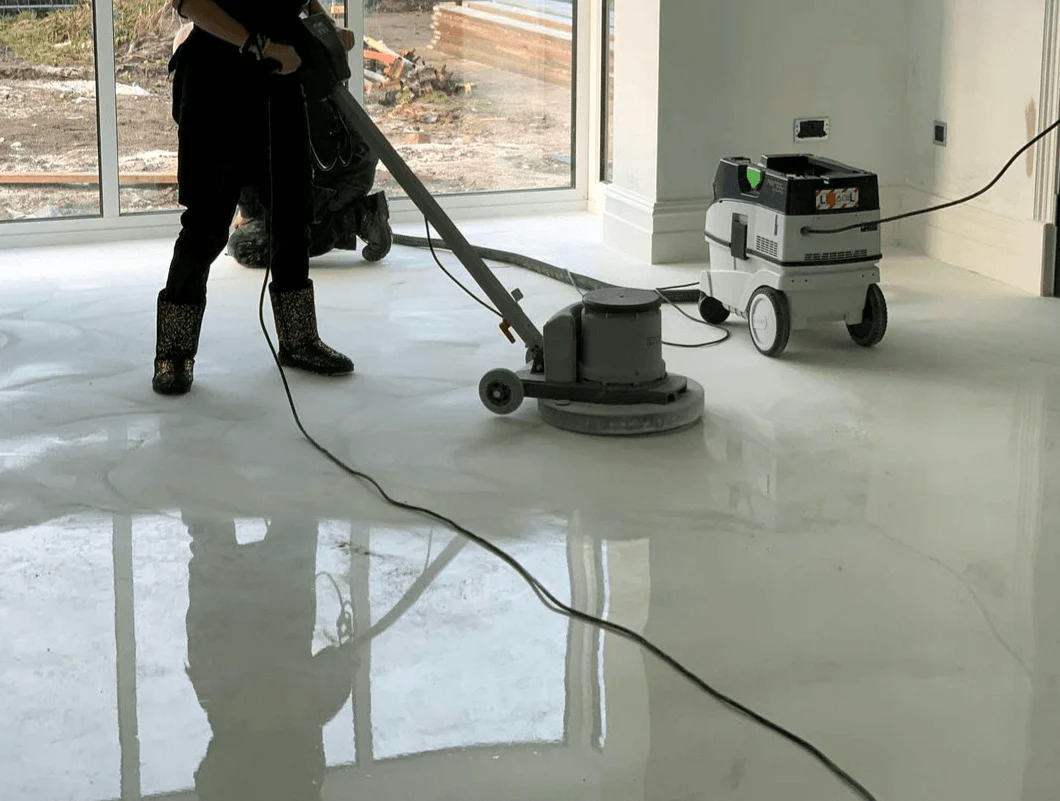
Industrial floors often carry the heaviest evidence of construction. We clean concrete dust, tire marks, oil spots, adhesive residue, drywall dust, and trade debris based on the surface condition and the next phase of use. If floors are being sealed, coated, striped, or turned over to equipment vendors, cleaning must be coordinated with that schedule.

High surfaces, ledges, overhead doors, pipe runs, electrical rooms, restrooms, break rooms, and office buildouts inside manufacturing facilities can also hold construction dust. We define the cleaning zones clearly so the project team knows what is included and what areas may require specialized access or equipment.

Preparing for Operations

Manufacturing handoff is about more than appearance. Clean aisles, clear loading areas, detailed restrooms, dust-free offices, and debris-free equipment zones help operations teams begin setup without fighting construction leftovers. We support that transition with rough cleaning, final cleaning, and targeted detail passes where the facility needs the most attention.

Dallas-area manufacturing projects may involve phased occupancy, active vendors, equipment installers, and safety requirements. We coordinate with site supervisors so crews work around restricted zones, traffic routes, and access rules while still delivering a practical final clean.

Cleaning Priorities for Manufacturing Facilities

Each project type leaves a different trail of dust, debris, residue, and access constraints. These are the details we usually clarify before cleaning a manufacturing facilities project in the Dallas-Fort Worth area.

Concrete floor dust, residue, and degreasing support

Debris removal from aisles, loading zones, and equipment areas

Break room, restroom, office, and locker room detail cleaning

Cleaning around equipment installation and operational setup

Clear zone definitions for production, storage, and support spaces

Manufacturing Details That Support Operations

Manufacturing facilities need cleaning that prepares the building for work, not just photographs. A production floor with debris, concrete dust, packaging, or residue can delay equipment setup and make the space harder for operations teams to evaluate.

Floors are a major priority. Concrete dust, tire marks, oil spots, adhesive residue, and construction soil need to be addressed before striping, coating, equipment placement, or production startup. We match cleaning methods to the condition and intended next step.

Support spaces need attention as well. Offices, break rooms, restrooms, locker areas, utility rooms, storage rooms, and corridors help staff begin using the facility. If those areas are dusty, the building feels unfinished to the people who will operate it.

Industrial projects often include overhead doors, dock areas, mezzanines, equipment pads, and utility pathways. We define which zones are in scope and identify any areas requiring special access so cleaning is efficient and safe.

Vendor coordination matters because machinery, racking, and process equipment may arrive before every construction item is complete. We can clean before installation, after installation, or by zone depending on what access is available.

The finished goal is operational readiness: clear aisles, clean staff areas, usable restrooms, reduced dust, debris-free equipment zones, and a facility that can move from construction to setup without avoidable cleanup delays.

Manufacturing turnovers often happen while vendors, installers, safety teams, and operations staff are preparing the same space. We clarify access zones so cleaning can support equipment placement, not compete with it.

Concrete dust and construction grit can travel into offices, break rooms, locker rooms, and restrooms as crews move through the facility. We clean those support areas because they are the first places employees judge whether the new facility is ready.

Equipment pads, floor joints, column bases, dock edges, utility rooms, and overhead door areas collect debris that broad sweeping can miss. Those zones need deliberate attention before striping, commissioning, racking, or production setup begins.

Where floors need coating, sealing, striping, or machine placement after cleaning, we match the level of cleaning to the next step. That keeps the work practical and helps the project team avoid paying for detail that will be disrupted by later installation.

For Dallas-area manufacturing projects, the most valuable final clean is one that lets operations move forward. The building should be safer to walk, easier to inspect, cleaner for staff, and ready for the next phase of production preparation.

We also look at vertical and transition surfaces around production areas. Dust on lower walls, door frames, guardrails, stair rails, control room windows, and mezzanine edges can migrate back onto floors after the first broad cleaning pass.

Restrooms, locker rooms, offices, and break areas help employees begin work with confidence. Those support rooms should not feel like leftover construction zones while the production floor is being commissioned.

Industrial residue may include adhesive, packaging, fasteners, mud, paint dust, and concrete particles. We identify the dominant materials before cleaning so the method matches the condition instead of treating every floor or surface the same way.

When machinery arrives early, access changes quickly. We coordinate with project teams to decide what must be cleaned before installation and what can be detailed safely once vendors have completed their scope.

The completed clean should give owners and operators a more dependable starting point. They can inspect lanes, stage equipment, prepare staff spaces, and begin operational setup without assigning their own team to remove construction leftovers first.

Manufacturing Facilities Cleaning Questions

Can you clean manufacturing floors before equipment installation?

Yes. Cleaning before equipment arrives is often the best sequence because concrete dust, debris, and residue can be removed before machinery limits access.

Do you handle large industrial debris?

We remove common construction debris, packaging, scrap material, and trash. Large or regulated materials are scoped separately so disposal and handling requirements are clear.

Can cleaning be phased around operations setup?

Yes. We can clean by production zone, office area, loading area, or priority path so vendors and operations teams can keep moving.

What areas are commonly missed in manufacturing final cleans?

Overhead door tracks, ledges, utility rooms, restroom details, break areas, floor edges, equipment pads, and loading zones often need more attention than a basic sweep provides.

Ready to Get Started?

Contact us today for a free, no-obligation quote for post-construction cleaning services for manufacturing facilities in Dallas and surrounding areas.

industries planning guide

How to plan manufacturing facilities for a construction project in Dallas

Post Construction Cleaning Pros uses the following planning framework to help property managers and business owners turn a request for post-construction cleanup and final cleaning into a scope that can be walked, priced, scheduled, and checked. It is designed for practical comparison and does not replace site-specific safety, material, vendor, or regulatory requirements.

Define the Work Before Pricing It

Manufacturing Facilities should begin with a written definition of the rooms, surfaces, fixtures, equipment boundaries, and access conditions included in the work. A useful scope separates routine tasks from periodic restoration so the facility manager can see what happens on every visit and what occurs only on a planned cycle. Change orders are easier to avoid when the initial manufacturing facilities proposal records current conditions. Photographs, floor-type notes, access limitations, and known buildup give both sides a shared baseline for deciding what belongs in startup work and what belongs in recurring maintenance. A commercial scope should distinguish appearance cleaning from hygiene work and asset maintenance. Dust removal, disinfection, floor finish care, glass restoration, and debris control solve different problems, use different processes, and often belong on different frequencies. Square footage alone does not define the effort required for manufacturing facilities. Occupancy, floor materials, restroom count, food or production activity, security procedures, furniture density, and the time available between closing and reopening all affect labor and equipment planning.

Build the Schedule Around Operations

Facilities with irregular occupancy should use a flexible service calendar. Seasonal traffic, events, construction phases, tenant move-ins, inventory cycles, and weather can all create temporary cleaning demand that a rigid schedule will miss. A dependable plan includes a method for reporting schedule changes. The facility contact should know whom to notify, how much lead time is needed, and how missed or added visits affect the monthly program before an urgent request arises. A nightly, daily, weekly, or project schedule changes more than visit frequency. It changes how much soil accumulates between visits, which tools are appropriate, how long each visit takes, and whether periodic deep work must be layered into the agreement. Access planning is part of service planning. Keys, badges, alarm procedures, loading access, elevator reservations, escort rules, and locked-room approvals should be confirmed before the first manufacturing facilities visit so the crew can complete the full scope without improvising.

Make Quality Control Observable

Inspection frequency should reflect the complexity of the account. A small weekly office may need periodic supervisory review, while a high-traffic or regulated environment may require documented checks several times each week. Useful performance conversations separate an isolated miss from a recurring process failure. One unemptied bin requires correction; repeated misses in the same wing may indicate unclear zoning, inadequate time, or a checklist that does not match the building. Before-and-after documentation is especially valuable for one-time or restorative manufacturing facilities. It establishes the starting condition, records the completed result, and helps the facility manager decide whether a recurring maintenance cycle would prevent the same buildup. A single complaint channel prevents service issues from disappearing between building occupants, property management, and the cleaning crew. Requests should be logged with the location, task, urgency, and desired completion time so the response can be verified.

Match Methods to Materials and Risk

A material-safety discussion should include storage and labeling. Facility contacts should know where products and equipment will be kept, which rooms remain accessible to occupants, and how spills or damaged containers are reported. Color-coded cloths, pads, and tools can reduce cross-use between restrooms, food areas, workspaces, and public surfaces. The exact system matters less than having a documented method the crew can follow consistently. Dwell time and physical removal are central to effective cleaning. A product cannot perform as intended if it is wiped away immediately, and loosened soil still needs to be removed with clean tools rather than redistributed across the surface. Product selection should match the task and the occupied environment. Cleaning, degreasing, disinfecting, descaling, and finishing are different functions; using one product for every surface can leave residue, reduce effectiveness, or shorten asset life.

Use the Walkthrough to Build the Scope

If the requested manufacturing facilities includes restorative work, identify the difference between a first-service reset and ongoing maintenance. Startup work may require additional labor that should not be hidden inside the recurring visit price. Bring a current floor plan, operating schedule, and list of known problem areas to the walkthrough. These details help Post Construction Cleaning Pros organize manufacturing facilities around actual conditions instead of estimating from square footage and a short phone description. Ask department leads or regular occupants where cleaning failures are most visible. Facility managers often know the formal complaints, while daily users can identify recurring issues such as neglected corners, supply shortages, or timing conflicts. Discuss current service honestly during the walkthrough. What works should be preserved, what fails should be corrected, and any unrealistic expectation should be resolved before it becomes a recurring dispute after startup.

Put the Service Agreement in Writing

Insurance and vendor-document requirements should be confirmed during proposal review rather than after award. If the property requires a certificate, additional insured wording, vendor portal registration, or special access documentation, those steps can affect the startup date. A commercial cleaning agreement should attach or reproduce the approved scope, frequency, service window, periodic task calendar, supply responsibilities, access rules, and communication contacts. The written detail protects both the property and the service team. The agreement should state how holidays, weather closures, and client-requested skips are handled. These events affect visit counts and staffing, and the billing treatment should be clear before the first calendar exception. The agreement should explain how additional work is approved. Emergency cleanup, event service, construction dust, floor restoration, and extra porter coverage should not be performed or billed through an informal request that no one can later verify.

Plan for Dallas Facility Conditions

Storm seasons can create short-notice needs around entrances, exterior glass, tracked moisture, construction material, and debris. A recurring account should know how to request work outside the normal scope and whether priority response is available. Properties across Dallas–Fort Worth vary widely in access, occupancy, and operating schedule. A downtown office, suburban medical suite, industrial building, retail center, and hospitality property should not receive the same labor plan simply because their square footage is similar. Heat and air-conditioning runtime can increase dust movement through vents, ledges, high surfaces, and return-air zones. Periodic detail work should be scheduled before accumulation becomes visible or begins cycling back into occupied areas. DFW traffic makes realistic arrival windows important, especially when a crew must meet security or elevator access at a fixed time. The plan should protect enough on-site time to complete the work rather than compressing the scope after a delayed handoff.

Compare Providers on More Than Price

When comparing manufacturing facilities proposals, normalize the scope before comparing price. A lower monthly number may exclude periodic work, supplies, supervision, floor care, or enough labor to complete the stated checklist. The final decision should align service frequency with the facility’s real use. Buying fewer visits than the property needs creates visible decline; buying unnecessary frequency wastes budget that could be directed to periodic or high-priority work. Evaluate communication alongside cleaning technique. A facility manager needs timely updates, a named account contact, documented service requests, and a reliable process for resolving issues without repeatedly explaining the account. Ask each provider to explain staffing assumptions, visit length, supervision, equipment, and the process for covering absences. The answer reveals whether the proposal is an operating plan or simply a price attached to a task list.

Start, Measure, and Adjust the Program

Crew orientation should cover the approved scope, building access, material cautions, waste handling, supply storage, security, and the communication path for exceptions. Written information is more dependable than verbal instructions passed between shifts. The first visit should not be treated as an ordinary maintenance visit when buildup already exists. Startup cleaning establishes a maintainable baseline and gives the crew a realistic view of the time required for future service. The crew should record conditions outside the approved scope rather than quietly ignoring them or performing unapproved work. Photos and concise notes allow the facility manager to decide whether a separate service is warranted. A stable program still needs review after renovations, staffing growth, seasonal traffic, operating-hour changes, or new equipment. Each change can alter soil load, access, or the time available for manufacturing facilities.

Bring to the walkthrough

  • Approximate square footage, floor plan, and operating hours
  • Current frequency, known complaints, and priority areas
  • Flooring and surface notes, restricted rooms, and access rules
  • Desired start date, budget constraints, and approval contacts

Expect in a written proposal

  • Task scope by zone and visit frequency
  • Service windows, periodic work, and supply responsibility
  • Quality checks, communication, and correction procedures
  • Pricing assumptions, exclusions, and change-order rules