Post Construction Cleaning Pros

Plumbing Fixture Disinfection in Dallas, TX

Comprehensive plumbing fixture cleaning and disinfection for Dallas construction projects. We sanitize all fixtures to remove construction residue and ensure safe, hygienic water systems.

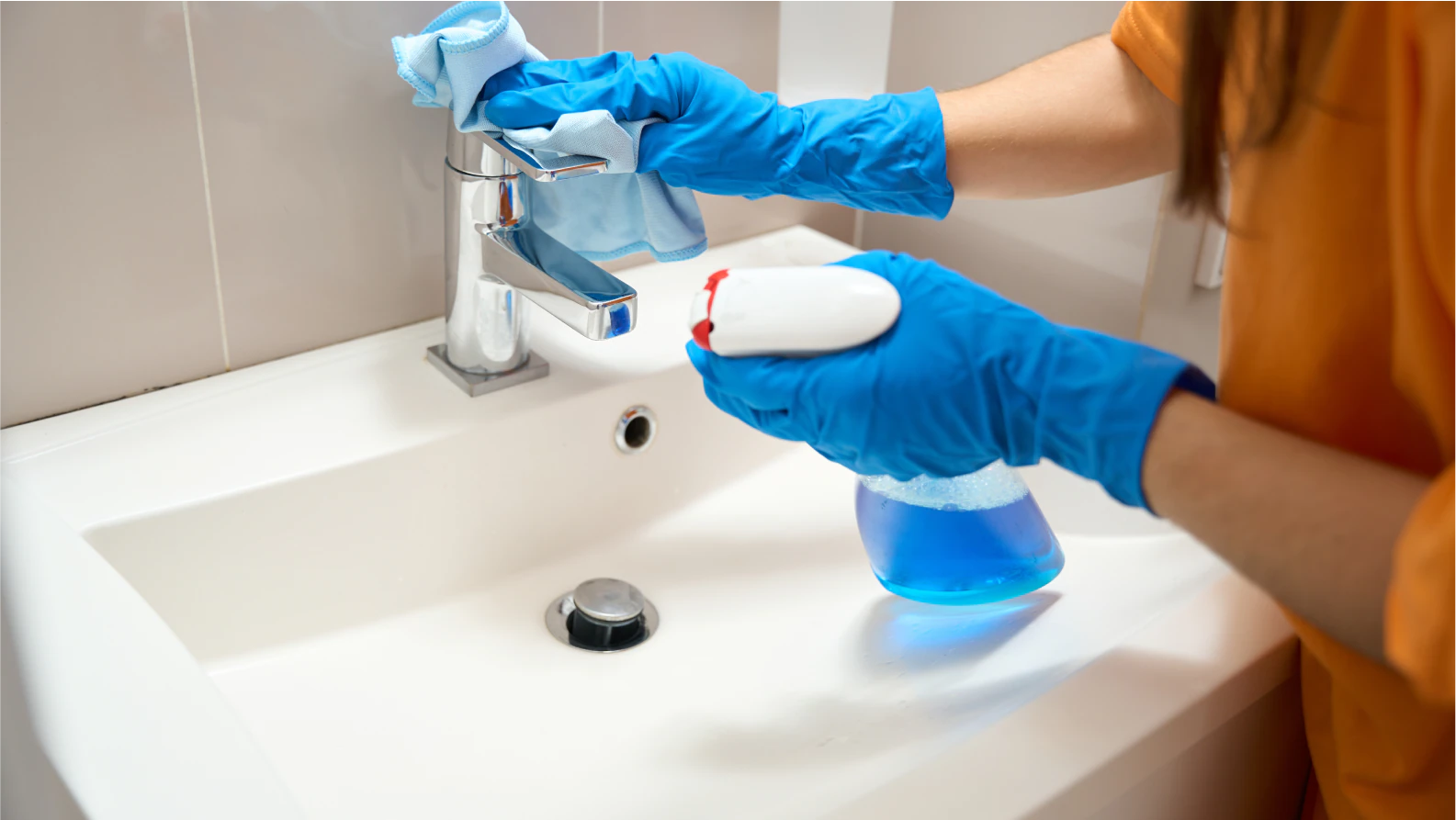
Plumbing Fixture Disinfection service being performed in Dallas, TX

Plumbing Fixture Disinfection Services

New plumbing fixtures in construction projects arrive with protective coatings, accumulate construction dust, and may harbor bacteria from testing and initial water flow. Proper disinfection ensures these fixtures are safe, sanitary, and pristine for building occupants. Post Construction Cleaning Pros provides comprehensive plumbing fixture disinfection throughout Dallas, TX, preparing your water systems for safe occupancy.

Why Plumbing Fixture Disinfection Matters

Construction Contamination

Plumbing fixtures accumulate various contaminants during construction:

  • Dust and debris from surrounding construction activities
  • Grease and oils from installation and testing
  • Adhesive residue from protective packaging
  • Mineral deposits from initial water flow
  • Potential bacterial growth from stagnant water

Health and Safety Standards

Fixtures that will contact drinking water or be used for personal hygiene must meet strict sanitary standards. Disinfection eliminates potential pathogens and ensures safe use from day one.

Aesthetic Requirements

Construction residue on chrome, porcelain, and stainless steel fixtures creates a dull, unprofessional appearance that detracts from project quality.

Warranty Protection

Many fixture manufacturers require proper cleaning and maintenance for warranty validity. Professional disinfection establishes appropriate care from installation.

Our Disinfection Process

Initial Assessment

We identify all fixture types, materials, and finishes to select appropriate cleaning and disinfection agents. Chrome, brushed nickel, oil-rubbed bronze, and other finishes each require specific care.

Loose Debris Removal

Protective materials, stickers, and loose debris are carefully removed without scratching fixture surfaces.

Construction Residue Cleaning

Adhesive residue, paint splatter, and construction marks are removed using products safe for each fixture material and finish.

Deep Cleaning and Polishing

Fixture surfaces receive thorough cleaning appropriate to material—non-abrasive methods for delicate finishes, appropriate scrubbing for durable porcelain.

Disinfection Treatment

EPA-registered disinfectants are applied according to label directions, ensuring proper contact time for pathogen elimination.

Final Rinse and Polish

Disinfectants are thoroughly rinsed, and fixtures receive final polishing to achieve showroom appearance.

Function Testing

We operate fixtures to ensure proper function and verify that cleaning hasn't affected operation.

Fixtures We Service

Kitchen Fixtures

  • Sinks and basins
  • Faucets and spray heads
  • Garbage disposals
  • Instant hot water dispensers
  • Pot fillers
  • Bar and prep sinks

Bathroom Fixtures

  • Toilets and bidets
  • Sinks and lavatories
  • Bathtubs and showers
  • Faucets and showerheads
  • Tub and shower surrounds
  • Vanity basins

Commercial and Specialty Fixtures

  • Commercial kitchen equipment
  • Mop sinks and service basins
  • Eye wash stations
  • Emergency showers
  • Laboratory fixtures
  • Healthcare plumbing

Utility Fixtures

  • Laundry sinks and tubs
  • Utility room basins
  • Outdoor spigots and hose bibs
  • Floor drains

Material-Specific Care

Chrome and Polished Finishes

Bright chrome fixtures receive gentle cleaning that restores shine without scratching. We remove water spots and fingerprints that detract from appearance.

Brushed and Satin Finishes

Brushed nickel, stainless steel, and similar finishes require cleaning that follows grain direction and preserves the brushed appearance.

Oil-Rubbed and Living Finishes

Specialty finishes receive appropriate care that cleans without removing intentional patina or affecting finish chemistry.

Porcelain and Vitreous China

Durable porcelain fixtures can tolerate more aggressive cleaning to remove construction marks while maintaining glossy appearance.

Solid Surface and Engineered Materials

Cultured marble, solid surface, and composite materials receive cleaning appropriate to manufacturer specifications.

Dallas-Specific Applications

High-Rise Residential

Dallas's growing high-rise residential market demands meticulous fixture preparation that meets luxury buyer expectations.

Healthcare Construction

Medical facilities in Dallas's Medical District require fixture disinfection that meets Joint Commission and infection control standards.

Hospitality Projects

Hotels and restaurants need pristine fixtures that support brand image and health inspection requirements.

Commercial Office Buildings

Class A office towers throughout Dallas require professional fixture preparation for tenant spaces and common areas.

Multi-Family Housing

Apartment and condominium developments benefit from efficient fixture disinfection that supports unit turnover schedules.

Health and Safety Compliance

EPA-Registered Disinfectants

We use disinfectants registered with the EPA for use on surfaces contacting food and drinking water, ensuring safety compliance.

Contact Time Adherence

Proper disinfection requires specific contact times that we strictly follow to ensure pathogen elimination.

Rinse Requirements

We thoroughly rinse all disinfectants from fixtures that will contact drinking water or food preparation surfaces.

Documentation

We maintain records of disinfection procedures and products used for compliance documentation and facility maintenance records.

Service Integration

Timing with Construction Completion

Fixture disinfection is typically performed near project completion after final plumbing work and before final inspections.

Coordination with Plumbers

We work alongside plumbing contractors to address any fixture issues discovered during cleaning and ensure proper function.

Final Cleaning Integration

Fixture disinfection integrates with our comprehensive final cleaning services for complete project preparation.

Service Area

We provide plumbing fixture disinfection throughout Dallas and surrounding communities including Arlington, Garland, Mesquite, Irving, Grand Prairie, Lewisville, McKinney, Plano, Carrollton, Frisco, Denton, and Richardson.

Contact Post Construction Cleaning Pros for professional plumbing fixture disinfection. Our thorough processes ensure your Dallas project's water fixtures are safe, sanitary, and beautifully presented for occupancy.

Getting New Fixtures Ready for Real Use

New plumbing fixtures often look installed before they are truly ready for occupants. Labels, adhesive, construction dust, grout residue, fingerprints, mineral spotting, and debris around drains can remain after trades leave. Restrooms, kitchens, break rooms, locker rooms, and utility sinks all need detail before turnover.

We clean and disinfect fixture surfaces, polish visible hardware, remove film where appropriate, and address the edges where dust gathers. On Dallas commercial and residential projects, this final pass helps bathrooms and wet areas feel sanitary, complete, and ready for inspection or move-in.

Why This Service Matters After Construction

Final cleaning is where a project starts to feel complete. For plumbing fixture disinfection, our crews focus on the details that affect inspection readiness, occupant comfort, and the way the space presents during turnover.

Complete removal of construction contamination

EPA-registered disinfection protocols

Material-specific cleaning methods

Safe, sanitary water system preparation

Showroom-quality fixture appearance

Warranty-compliant care procedures

Health and safety standard compliance

Frequently Asked Questions

Is disinfection necessary for new plumbing fixtures?

Yes, new fixtures can harbor bacteria from manufacturing, shipping, and testing processes. Additionally, construction dust and residue accumulate on fixtures during building. Professional disinfection ensures fixtures are safe and sanitary for first use.

Will disinfection damage my new fixtures' finish?

Professional disinfection using appropriate products and methods will not damage fixture finishes. We select cleaning agents based on fixture material and finish type, using gentler methods for delicate surfaces.

How do you handle different fixture finishes?

We assess each fixture's material and finish, then select cleaning methods accordingly. Chrome receives different treatment than oil-rubbed bronze or brushed nickel. Our technicians are trained to recognize and properly care for all common fixture finishes.

Do you clean inside toilet tanks and drains?

Our standard service includes exterior fixture surfaces. Interior tank cleaning and drain sanitization can be added as supplemental services where required by project specifications or client request.

How long after disinfection can fixtures be used?

Fixtures can typically be used immediately after our process is complete and disinfectants have been rinsed away. We allow surfaces to dry naturally, which usually occurs within 30 minutes to an hour depending on ventilation.

Ready to Get Started?

Contact us today for a free, no-obligation quote for plumbing fixture disinfection services in Dallas and surrounding areas.

services planning guide

How to plan plumbing fixture disinfection for a construction project in Dallas

Post Construction Cleaning Pros uses the following planning framework to help property managers and business owners turn a request for post-construction cleanup and final cleaning into a scope that can be walked, priced, scheduled, and checked. It is designed for practical comparison and does not replace site-specific safety, material, vendor, or regulatory requirements.

Define the Work Before Pricing It

Plumbing Fixture Disinfection should begin with a written definition of the rooms, surfaces, fixtures, equipment boundaries, and access conditions included in the work. A useful scope separates routine tasks from periodic restoration so the facility manager can see what happens on every visit and what occurs only on a planned cycle. Before pricing plumbing fixture disinfection, document exclusions as carefully as inclusions. Exterior work, high access, consumable supplies, waste handling, specialty floor restoration, equipment interiors, and event cleanup can be scheduled correctly only when responsibility is explicit. A commercial scope should distinguish appearance cleaning from hygiene work and asset maintenance. Dust removal, disinfection, floor finish care, glass restoration, and debris control solve different problems, use different processes, and often belong on different frequencies. The strongest plumbing fixture disinfection plan names measurable outcomes rather than relying on broad phrases such as “keep it clean.” Examples include streak-free entry glass, stocked and odor-controlled restrooms, debris-free floor edges, sanitized touchpoints, and completion before a stated opening time.

Build the Schedule Around Operations

Facilities with irregular occupancy should use a flexible service calendar. Seasonal traffic, events, construction phases, tenant move-ins, inventory cycles, and weather can all create temporary cleaning demand that a rigid schedule will miss. Scheduling should be built around operating hours and risk, not around the cleaning company’s convenience. Some construction project environments need a complete after-hours reset, while others benefit from daytime attention to entrances, restrooms, spills, or high-traffic common areas. A dependable plan includes a method for reporting schedule changes. The facility contact should know whom to notify, how much lead time is needed, and how missed or added visits affect the monthly program before an urgent request arises. For Dallas–Fort Worth properties, travel windows and building access can materially affect the usable service period. A realistic schedule accounts for security handoffs and operating deadlines rather than promising a start time that leaves too little time to finish.

Make Quality Control Observable

Inspection frequency should reflect the complexity of the account. A small weekly office may need periodic supervisory review, while a high-traffic or regulated environment may require documented checks several times each week. Quality control works best when it is tied to the site-specific scope. A supervisor can inspect completion against named rooms and outcomes, record exceptions, assign corrections, and identify patterns that require a change in staffing, tools, or frequency. A single complaint channel prevents service issues from disappearing between building occupants, property management, and the cleaning crew. Requests should be logged with the location, task, urgency, and desired completion time so the response can be verified. Before-and-after documentation is especially valuable for one-time or restorative plumbing fixture disinfection. It establishes the starting condition, records the completed result, and helps the facility manager decide whether a recurring maintenance cycle would prevent the same buildup.

Match Methods to Materials and Risk

A material-safety discussion should include storage and labeling. Facility contacts should know where products and equipment will be kept, which rooms remain accessible to occupants, and how spills or damaged containers are reported. Consumable supplies deserve their own responsibility list. Soap, paper products, liners, dispensers, batteries, air fresheners, and specialty items may be client supplied, contractor supplied, or billed separately, but the agreement should not leave that question open. For sensitive or newly installed materials, a small test area can prevent expensive mistakes. The service plan should identify who approves the test result before broader cleaning or restoration proceeds. Surface identification matters because a process that works on one material can damage another. Before plumbing fixture disinfection, confirm flooring, stone, coated metal, glass treatments, upholstery, painted surfaces, and manufacturer restrictions that affect chemistry or agitation.

Use the Walkthrough to Build the Scope

If the requested plumbing fixture disinfection includes restorative work, identify the difference between a first-service reset and ongoing maintenance. Startup work may require additional labor that should not be hidden inside the recurring visit price. Access and safety constraints should be demonstrated, not merely mentioned. Alarm panels, loading doors, restricted areas, waste points, water access, electrical access, and equipment storage can change the labor plan materially. Bring a current floor plan, operating schedule, and list of known problem areas to the walkthrough. These details help Post Construction Cleaning Pros organize plumbing fixture disinfection around actual conditions instead of estimating from square footage and a short phone description. The walkthrough should follow the facility’s traffic pattern from entrances through work areas, restrooms, support rooms, and exits. This reveals where soil enters, where it concentrates, and which tasks must be completed in a particular order.

Put the Service Agreement in Writing

Insurance and vendor-document requirements should be confirmed during proposal review rather than after award. If the property requires a certificate, additional insured wording, vendor portal registration, or special access documentation, those steps can affect the startup date. Cancellation, renewal, and notice terms deserve the same attention as the cleaning checklist. A facility manager comparing proposals should understand the initial term, renewal method, price-review process, and the notice required to change or end service. Service-level expectations should be realistic and observable. A promise of “perfect cleaning” is less useful than response times, inspection routines, named completion outcomes, and an escalation process for repeated deficiencies. Pricing should state whether it is monthly, per visit, hourly, or project based and should identify the assumptions behind it. Changes in occupied square footage, frequency, access time, or task scope need an agreed method for repricing.

Plan for Dallas Facility Conditions

Storm seasons can create short-notice needs around entrances, exterior glass, tracked moisture, construction material, and debris. A recurring account should know how to request work outside the normal scope and whether priority response is available. DFW traffic makes realistic arrival windows important, especially when a crew must meet security or elevator access at a fixed time. The plan should protect enough on-site time to complete the work rather than compressing the scope after a delayed handoff. Commercial properties in the region frequently combine offices, warehouses, showrooms, food service, or public-facing areas under one address. Zoning the scope by use keeps the cleaning method appropriate for each part of the building. A local service plan should account for the property’s immediate environment. Construction nearby, open parking, landscaping, loading activity, and pedestrian traffic can change how quickly dust and debris return after a visit.

Compare Providers on More Than Price

When comparing plumbing fixture disinfection proposals, normalize the scope before comparing price. A lower monthly number may exclude periodic work, supplies, supervision, floor care, or enough labor to complete the stated checklist. Review the proposal for vague language. Terms such as “as needed,” “regularly,” and “periodically” should be converted into frequencies, triggers, or approval rules before the agreement is signed. Consider the cost of under-scoping. Persistent complaints, damaged finishes, emergency restoration, staff time spent supervising the vendor, and repeated provider changes can cost more than a properly designed recurring program. A pilot or structured startup can be useful when the facility is complex or the current condition is uncertain. Define what will be evaluated, how long the evaluation lasts, and what information determines the permanent scope.

Start, Measure, and Adjust the Program

Crew orientation should cover the approved scope, building access, material cautions, waste handling, supply storage, security, and the communication path for exceptions. Written information is more dependable than verbal instructions passed between shifts. After the first service cycle, compare actual labor and facility condition with the proposal assumptions. If the original scope was inaccurate, adjust it openly rather than expecting quality to survive an unrealistic workload. A stable program still needs review after renovations, staffing growth, seasonal traffic, operating-hour changes, or new equipment. Each change can alter soil load, access, or the time available for plumbing fixture disinfection. Task sequencing affects results. High dusting should precede lower-surface cleaning, dry soil removal should precede wet work, and areas with restricted reopening times should be completed early enough to dry or ventilate.

Bring to the walkthrough

  • Approximate square footage, floor plan, and operating hours
  • Current frequency, known complaints, and priority areas
  • Flooring and surface notes, restricted rooms, and access rules
  • Desired start date, budget constraints, and approval contacts

Expect in a written proposal

  • Task scope by zone and visit frequency
  • Service windows, periodic work, and supply responsibility
  • Quality checks, communication, and correction procedures
  • Pricing assumptions, exclusions, and change-order rules