Post Construction Cleaning Pros

Electrical Panel Sanitization in Dallas, TX

Professional electrical panel cleaning and sanitization for Dallas construction projects. We safely remove construction dust and debris from electrical systems to ensure safety and proper function.

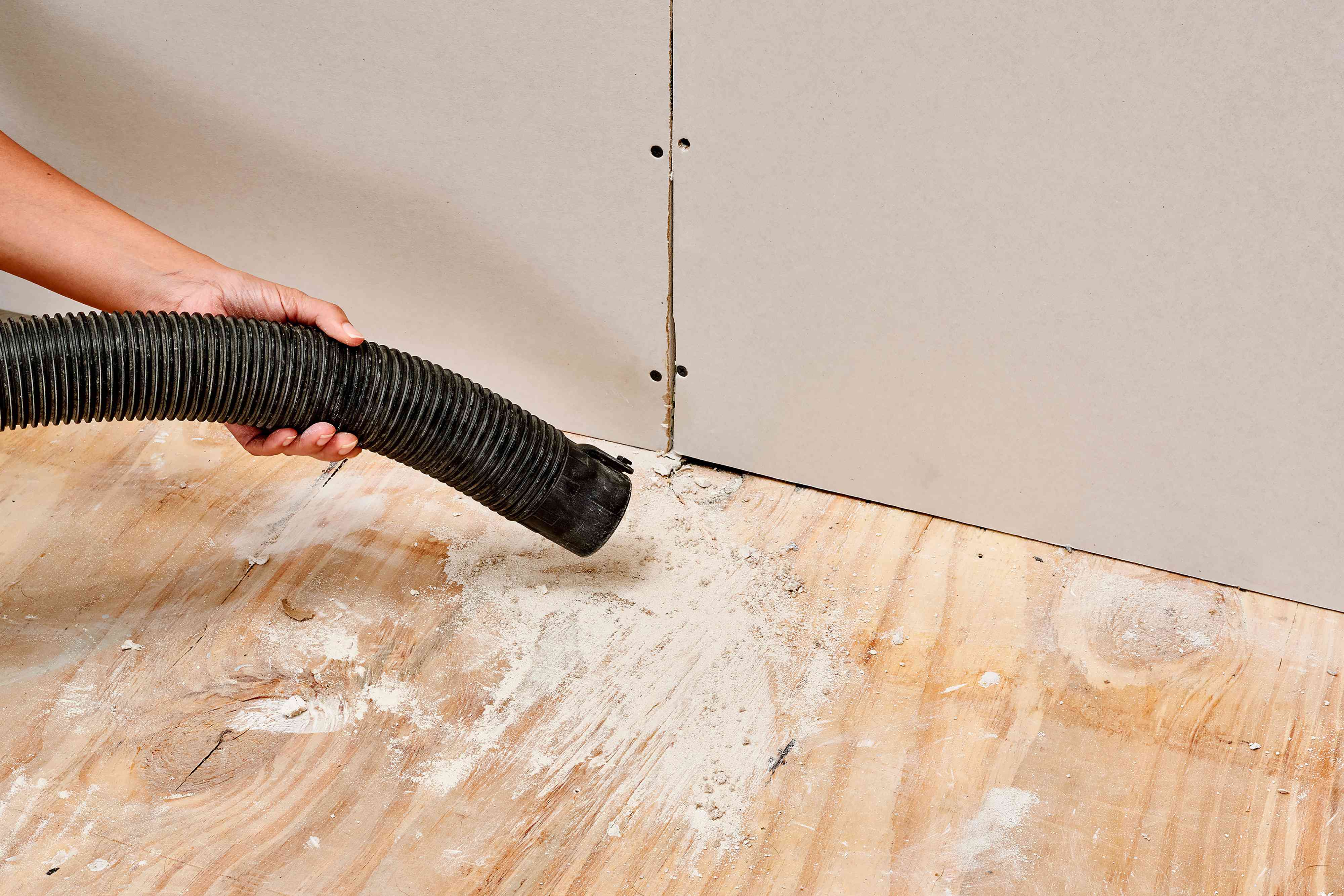
Electrical Panel Sanitization service being performed in Dallas, TX

Electrical Panel Sanitization Services

Electrical panels and components accumulate construction dust, debris, and contaminants during building projects. This accumulation can affect performance, create safety hazards, and violate electrical codes if not properly addressed. Post Construction Cleaning Pros provides specialized electrical panel sanitization throughout Dallas, TX, ensuring your electrical systems are clean, safe, and ready for inspection.

The Importance of Electrical Panel Cleaning

Safety Considerations

Construction dust in electrical panels creates potential hazards:

  • Dust accumulation can create conductive paths between components
  • Debris may interfere with breaker operation and cause nuisance tripping
  • Contaminated panels run hotter due to insulation effects
  • Buildup increases fire risk in extreme cases

Code Compliance

NEC (National Electrical Code) and Dallas electrical codes require panels to be maintained in clean condition. Excessive dust and debris may result in inspection failures and occupancy delays.

Performance Optimization

Clean electrical components operate more efficiently and reliably. Dust insulation on heat-producing components can lead to premature aging and failure.

Our Sanitization Process

Power Down and Lockout

All work begins with proper de-energization and lockout/tagout procedures following OSHA standards. Panels are verified de-energized before any cleaning begins.

Exterior Cleaning

Panel surfaces, doors, and trim are cleaned to remove construction dust and marks. We use appropriate cleaning agents that won't damage paint or finishes.

Interior Dust Removal

Using specialized electrical cleaning tools, we carefully remove dust and debris from panel interiors. Insulated tools and anti-static techniques prevent damage to sensitive components.

Component Cleaning

Breakers, bus bars, and wiring terminals receive careful attention to remove contamination without disturbing connections or calibration.

Contact and Connection Inspection

While cleaning, we note any obvious issues with connections, signs of overheating, or damage that should be addressed by a licensed electrician.

Final Inspection and Energization

Following cleaning, panels are inspected for proper condition before being returned to service. We coordinate with electrical contractors for re-energization.

What We Clean

Panelboards and Load Centers

Main distribution panels and subpanels receive comprehensive cleaning of interiors, breakers, and bus assemblies.

Switchgear and Switchboards

Large-scale commercial electrical equipment is cleaned using appropriate methods for high-voltage and high-amperage systems.

Motor Control Centers

MCC buckets and components are cleaned to remove construction contamination from industrial and commercial motor control systems.

Disconnects and Safety Switches

Exposed disconnect switches and safety equipment are cleaned and inspected for proper operation.

Control Panels

Low-voltage control panels for HVAC, lighting, and building automation systems receive careful cleaning appropriate to electronic components.

Specialized Techniques and Equipment

Insulated Cleaning Tools

All tools used in panel cleaning are properly insulated to prevent accidental contact with energized components during normal operation.

Anti-Static Methods

We use anti-static brushes and vacuums to prevent electrostatic discharge that could damage electronic components.

Compressed Air with Control

Where appropriate, controlled compressed air dislodges dust from intricate areas with simultaneous vacuum extraction.

Non-Residue Cleaning Agents

Any liquid cleaning uses products specifically formulated for electrical equipment that leave no conductive residue.

Safety Protocols

Qualified Personnel

Our electrical panel cleaning technicians receive specialized training in electrical safety, lockout/tagout procedures, and proper cleaning techniques.

PPE Requirements

Technicians wear appropriate personal protective equipment including safety glasses, insulated gloves when appropriate, and flame-resistant clothing.

Work Authorization

We coordinate with site electrical contractors and maintain documentation of all panel cleaning activities for safety records.

Testing Verification

Panels are verified de-energized using appropriate testing equipment before any cleaning work begins.

Dallas Commercial and Industrial Applications

Office Buildings

Class A office towers in Dallas require pristine electrical panels that support tenant expectations and building management standards.

Healthcare Facilities

Hospitals and medical facilities demand the highest standards of electrical cleanliness to support critical care functions and regulatory compliance.

Manufacturing and Industrial

Industrial facilities throughout the Dallas-Fort Worth area require panel cleaning that supports heavy-duty operational demands.

Data Centers

Critical power distribution in Dallas data centers receives meticulous attention to ensure reliability for essential computing infrastructure.

Multi-Family Housing

Apartment and condominium electrical systems are cleaned to support resident safety and utility system reliability.

Integration with Project Schedules

Timing Coordination

We schedule electrical panel cleaning to integrate with project completion timelines, typically after final electrical work and before final inspections.

Utility Coordination

Power shutdowns for panel cleaning are coordinated with building management, utility companies, and project schedules to minimize disruption.

Inspection Support

Clean panels support successful electrical inspections, helping projects achieve timely occupancy certificates.

Service Area

We provide electrical panel sanitization throughout Dallas and surrounding communities including Arlington, Garland, Mesquite, Irving, Grand Prairie, Lewisville, McKinney, Plano, Carrollton, Frisco, Denton, and Richardson.

Contact Post Construction Cleaning Pros for professional electrical panel sanitization. Our trained technicians follow strict safety protocols to ensure your Dallas project's electrical systems are clean, safe, and inspection-ready.

Cleaning Electrical Areas With the Right Boundaries

Electrical panels, switchgear rooms, device covers, and fixture areas can collect drywall dust, sawdust, packaging debris, and fingerprints during construction. These spaces should be cleaned carefully, with clear limits around what cleaning crews should and should not touch.

Our work focuses on accessible exterior surfaces, surrounding dust, covers, fixtures, and the areas that affect presentation and basic cleanliness. When we notice damage, overheating signs, missing covers, or issues that belong to an electrician, we flag them instead of treating cleaning as a substitute for electrical service.
Why This Service Matters After Construction

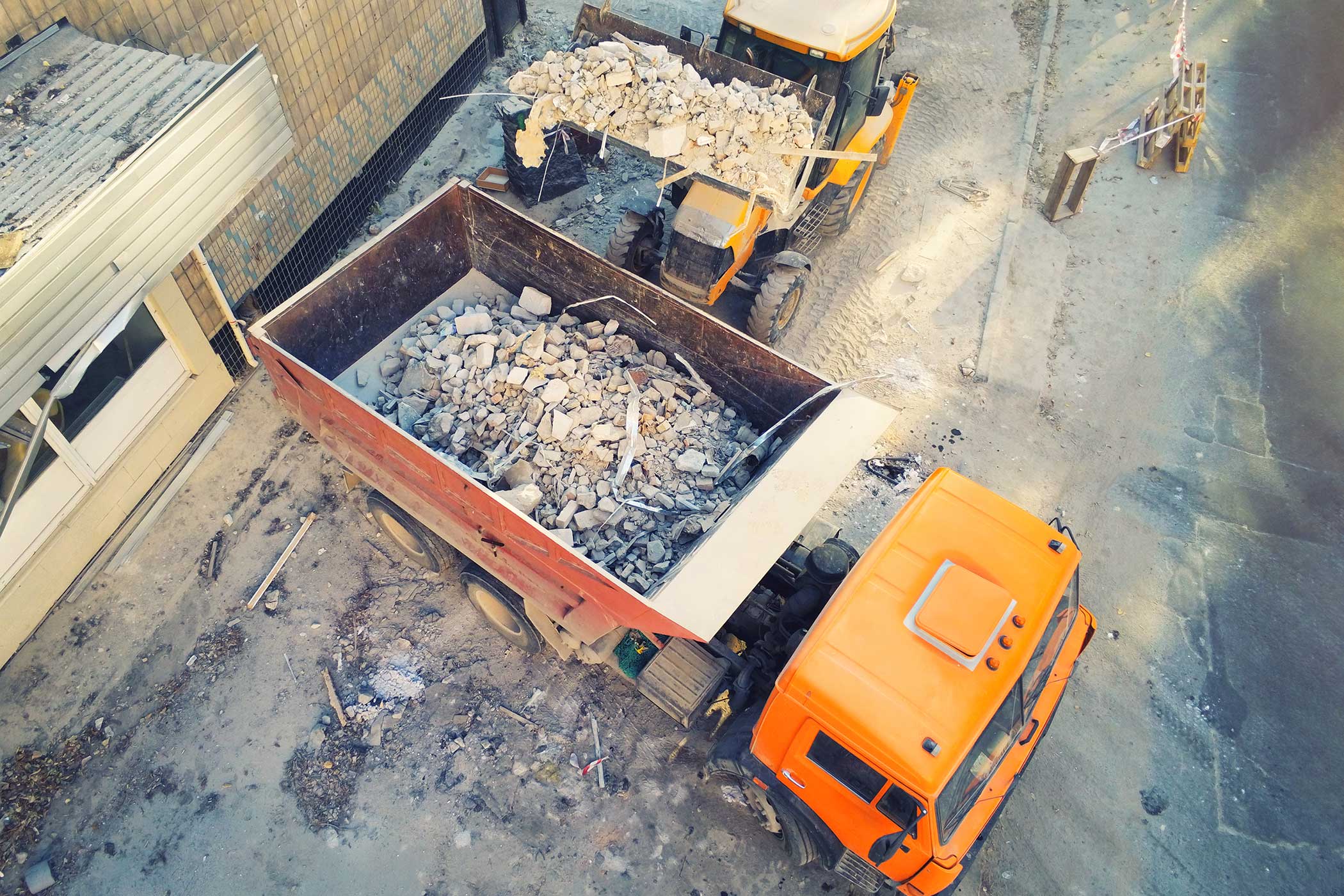
Final cleaning is where a project starts to feel complete. For electrical panel sanitization, our crews focus on the details that affect inspection readiness, occupant comfort, and the way the space presents during turnover.

Safe, code-compliant cleaning procedures

Removal of conductive dust and debris

Enhanced electrical system safety

Improved performance and reliability

Inspection-ready condition

Extended equipment lifespan

Documentation for maintenance records

Frequently Asked Questions

Is it safe to clean electrical panels?

Yes, when performed by trained technicians following proper safety protocols including lockout/tagout procedures. We never clean energized panels and use insulated tools and anti-static methods to ensure safety throughout the process.

Do I need to hire an electrician for panel cleaning?

While panel cleaning doesn't require a licensed electrician, we coordinate closely with electrical contractors for power shutdowns and re-energization. Our technicians are specifically trained in electrical panel cleaning safety and techniques.

Will cleaning void my electrical panel warranty?

Professional cleaning performed using appropriate methods will not void warranties. In fact, maintaining clean panels is typically a warranty requirement. We use methods and products that are safe for all major panel manufacturers.

How often should electrical panels be cleaned?

Construction cleaning addresses initial contamination. After occupancy, NFPA 70B recommends periodic maintenance cleaning based on environmental conditions—typically annually for normal environments, more frequently for dusty or industrial settings.

Can you clean panels while the building is occupied?

Panel cleaning requires power shutdown, which must be coordinated with building operations. For occupied buildings, we work during planned maintenance windows or off-hours to minimize disruption. Emergency power systems can often remain operational during main panel cleaning.

Ready to Get Started?

Contact us today for a free, no-obligation quote for electrical panel sanitization services in Dallas and surrounding areas.

services planning guide

How to plan electrical panel sanitization for a construction project in Dallas

Post Construction Cleaning Pros uses the following planning framework to help property managers and business owners turn a request for post-construction cleanup and final cleaning into a scope that can be walked, priced, scheduled, and checked. It is designed for practical comparison and does not replace site-specific safety, material, vendor, or regulatory requirements.

Define the Work Before Pricing It

Electrical Panel Sanitization should begin with a written definition of the rooms, surfaces, fixtures, equipment boundaries, and access conditions included in the work. A useful scope separates routine tasks from periodic restoration so the facility manager can see what happens on every visit and what occurs only on a planned cycle. A commercial scope should distinguish appearance cleaning from hygiene work and asset maintenance. Dust removal, disinfection, floor finish care, glass restoration, and debris control solve different problems, use different processes, and often belong on different frequencies. For multi-tenant or mixed-use properties, electrical panel sanitization should be divided by responsibility zone. Common areas, tenant suites, back-of-house spaces, loading areas, public restrooms, and restricted rooms can then receive schedules and approval rules that match their actual use. Change orders are easier to avoid when the initial electrical panel sanitization proposal records current conditions. Photographs, floor-type notes, access limitations, and known buildup give both sides a shared baseline for deciding what belongs in startup work and what belongs in recurring maintenance.

Build the Schedule Around Operations

Facilities with irregular occupancy should use a flexible service calendar. Seasonal traffic, events, construction phases, tenant move-ins, inventory cycles, and weather can all create temporary cleaning demand that a rigid schedule will miss. For Dallas–Fort Worth properties, travel windows and building access can materially affect the usable service period. A realistic schedule accounts for security handoffs and operating deadlines rather than promising a start time that leaves too little time to finish. A nightly, daily, weekly, or project schedule changes more than visit frequency. It changes how much soil accumulates between visits, which tools are appropriate, how long each visit takes, and whether periodic deep work must be layered into the agreement. Daytime and after-hours service solve different operational problems. Day porter coverage manages visible conditions while people are present; after-hours crews complete disruptive or time-intensive tasks when work areas can be accessed safely and thoroughly.

Make Quality Control Observable

Inspection frequency should reflect the complexity of the account. A small weekly office may need periodic supervisory review, while a high-traffic or regulated environment may require documented checks several times each week. The account review should examine service requests, inspection findings, occupancy changes, supply use, and upcoming facility events. That review keeps the program aligned with the property instead of allowing an old scope to continue after the building changes. Useful performance conversations separate an isolated miss from a recurring process failure. One unemptied bin requires correction; repeated misses in the same wing may indicate unclear zoning, inadequate time, or a checklist that does not match the building. A single complaint channel prevents service issues from disappearing between building occupants, property management, and the cleaning crew. Requests should be logged with the location, task, urgency, and desired completion time so the response can be verified.

Match Methods to Materials and Risk

A material-safety discussion should include storage and labeling. Facility contacts should know where products and equipment will be kept, which rooms remain accessible to occupants, and how spills or damaged containers are reported. Product selection should match the task and the occupied environment. Cleaning, degreasing, disinfecting, descaling, and finishing are different functions; using one product for every surface can leave residue, reduce effectiveness, or shorten asset life. Dwell time and physical removal are central to effective cleaning. A product cannot perform as intended if it is wiped away immediately, and loosened soil still needs to be removed with clean tools rather than redistributed across the surface. Equipment should be selected for the facility rather than for convenience. HEPA filtration, low-moisture extraction, auto-scrubbing, water-fed poles, pressure equipment, or detail tools may be appropriate depending on access, surface, soil, and reopening time.

Use the Walkthrough to Build the Scope

If the requested electrical panel sanitization includes restorative work, identify the difference between a first-service reset and ongoing maintenance. Startup work may require additional labor that should not be hidden inside the recurring visit price. Ask department leads or regular occupants where cleaning failures are most visible. Facility managers often know the formal complaints, while daily users can identify recurring issues such as neglected corners, supply shortages, or timing conflicts. Access and safety constraints should be demonstrated, not merely mentioned. Alarm panels, loading doors, restricted areas, waste points, water access, electrical access, and equipment storage can change the labor plan materially. A useful walkthrough ends with next steps: who will receive the written scope, who can approve revisions, whether a second technical visit is required, and what information is still needed before pricing is final.

Put the Service Agreement in Writing

Insurance and vendor-document requirements should be confirmed during proposal review rather than after award. If the property requires a certificate, additional insured wording, vendor portal registration, or special access documentation, those steps can affect the startup date. The agreement should explain how additional work is approved. Emergency cleanup, event service, construction dust, floor restoration, and extra porter coverage should not be performed or billed through an informal request that no one can later verify. The agreement should state how holidays, weather closures, and client-requested skips are handled. These events affect visit counts and staffing, and the billing treatment should be clear before the first calendar exception. A structured startup period gives both sides a chance to refine the scope. Early inspections and a scheduled review after the first few visits can resolve workload assumptions before they become embedded in a long-term program.

Plan for Dallas Facility Conditions

Storm seasons can create short-notice needs around entrances, exterior glass, tracked moisture, construction material, and debris. A recurring account should know how to request work outside the normal scope and whether priority response is available. Heat and air-conditioning runtime can increase dust movement through vents, ledges, high surfaces, and return-air zones. Periodic detail work should be scheduled before accumulation becomes visible or begins cycling back into occupied areas. A local service plan should account for the property’s immediate environment. Construction nearby, open parking, landscaping, loading activity, and pedestrian traffic can change how quickly dust and debris return after a visit. Properties across Dallas–Fort Worth vary widely in access, occupancy, and operating schedule. A downtown office, suburban medical suite, industrial building, retail center, and hospitality property should not receive the same labor plan simply because their square footage is similar.

Compare Providers on More Than Price

When comparing electrical panel sanitization proposals, normalize the scope before comparing price. A lower monthly number may exclude periodic work, supplies, supervision, floor care, or enough labor to complete the stated checklist. Consider the cost of under-scoping. Persistent complaints, damaged finishes, emergency restoration, staff time spent supervising the vendor, and repeated provider changes can cost more than a properly designed recurring program. A pilot or structured startup can be useful when the facility is complex or the current condition is uncertain. Define what will be evaluated, how long the evaluation lasts, and what information determines the permanent scope. Review the proposal for vague language. Terms such as “as needed,” “regularly,” and “periodically” should be converted into frequencies, triggers, or approval rules before the agreement is signed.

Start, Measure, and Adjust the Program

Crew orientation should cover the approved scope, building access, material cautions, waste handling, supply storage, security, and the communication path for exceptions. Written information is more dependable than verbal instructions passed between shifts. The crew should record conditions outside the approved scope rather than quietly ignoring them or performing unapproved work. Photos and concise notes allow the facility manager to decide whether a separate service is warranted. The first visit should not be treated as an ordinary maintenance visit when buildup already exists. Startup cleaning establishes a maintainable baseline and gives the crew a realistic view of the time required for future service. After the first service cycle, compare actual labor and facility condition with the proposal assumptions. If the original scope was inaccurate, adjust it openly rather than expecting quality to survive an unrealistic workload.

Bring to the walkthrough

  • Approximate square footage, floor plan, and operating hours
  • Current frequency, known complaints, and priority areas
  • Flooring and surface notes, restricted rooms, and access rules
  • Desired start date, budget constraints, and approval contacts

Expect in a written proposal

  • Task scope by zone and visit frequency
  • Service windows, periodic work, and supply responsibility
  • Quality checks, communication, and correction procedures
  • Pricing assumptions, exclusions, and change-order rules