Post Construction Cleaning Pros

Drywall Dust Elimination in Dallas, TX

Specialized drywall dust removal and air quality restoration for Dallas construction projects. Our advanced techniques eliminate fine gypsum dust from all surfaces and HVAC systems.

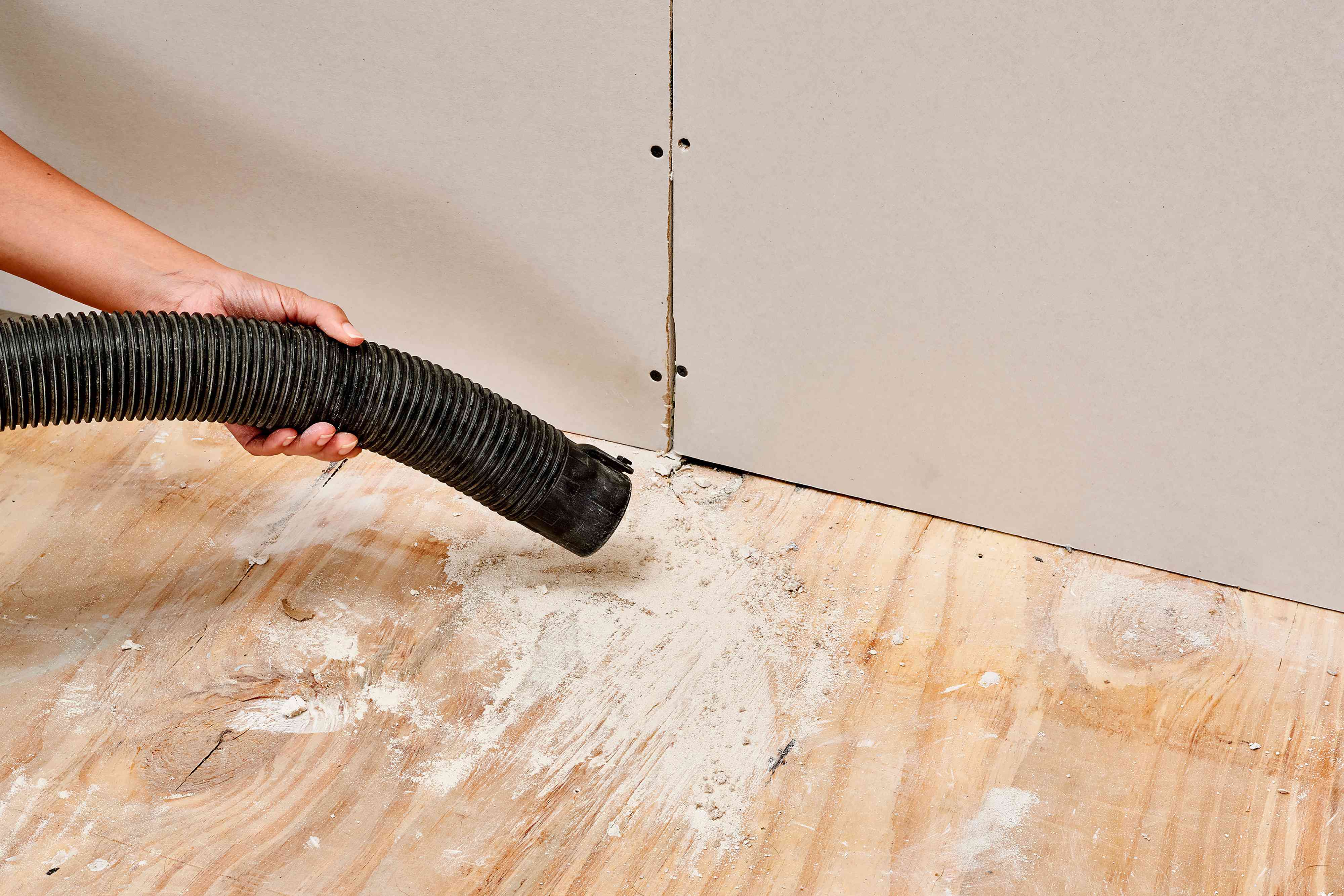
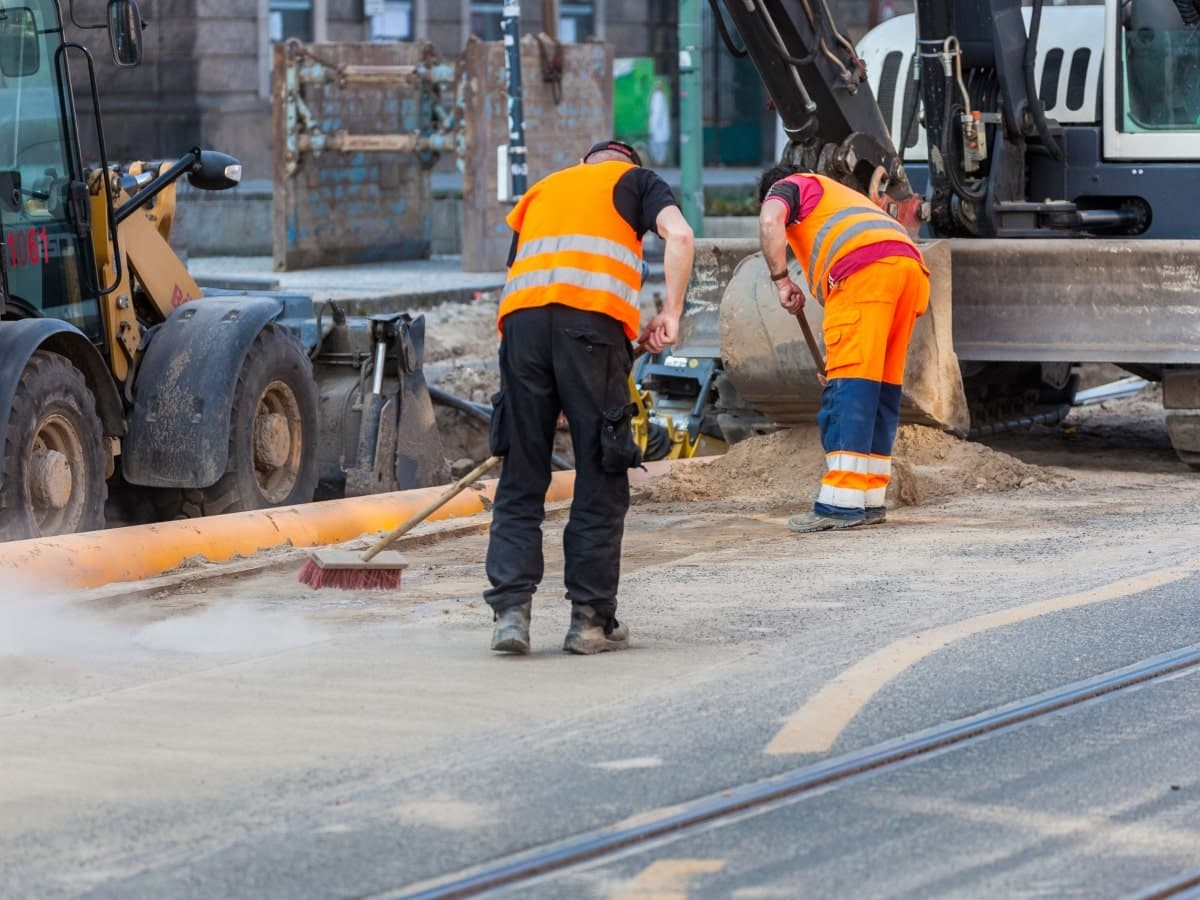
Drywall Dust Elimination service being performed in Dallas, TX

Professional Drywall Dust Elimination Services

Drywall installation and finishing generate enormous quantities of fine gypsum dust that settles throughout construction projects. This pervasive dust penetrates HVAC systems, coats every surface, and compromises air quality if not properly addressed. Post Construction Cleaning Pros provides specialized drywall dust elimination services throughout Dallas, TX, using advanced techniques and equipment designed specifically for this challenging cleanup task.

The Drywall Dust Challenge

Drywall dust consists primarily of fine gypsum particles combined with joint compound (mud) residue. These particles measure between 1 and 10 microns in diameter—small enough to remain airborne for hours and penetrate deep into porous surfaces and mechanical systems. In Dallas's climate, where air conditioning runs extensively, drywall dust circulates through HVAC systems and redistributes throughout buildings.

The health implications are significant: drywall dust can irritate respiratory systems, trigger allergic responses, and create ongoing air quality issues long after construction completion. Professional elimination is essential for creating healthy indoor environments.

Our Drywall Dust Elimination Process

Containment and Air Control

We begin by isolating work areas and establishing negative air pressure where appropriate. HEPA air scrubbers run continuously during cleaning to capture airborne particles and prevent redistribution to cleaned areas.

High-Efficiency Vacuum Extraction

Our crews use industrial-grade HEPA vacuums with specialized attachments for every surface type. Unlike standard shop vacuums that redistribute fine dust, our equipment captures particles as small as 0.3 microns with 99.97% efficiency.

Surface-Specific Cleaning Protocols

Different surfaces require different approaches:

  • Hard surfaces receive damp wiping with microfiber cloths to capture rather than redistribute dust
  • Textured ceilings require specialized tools that clean without damaging finish
  • Porous materials may need multiple cleaning passes to extract embedded dust
  • Delicate finishes receive gentle cleaning to prevent damage

HVAC System Cleaning

Drywall dust inevitably enters ventilation systems during construction. We clean all accessible ductwork, replace filters, and clean vent covers to prevent ongoing circulation of dust particles.

Air Quality Verification

Following cleaning, we use particle counters to verify air quality improvement. This data confirms the effectiveness of our work and provides documentation for inspection or client reassurance.

Specialized Equipment and Techniques

HEPA Filtration Systems

All vacuums and air scrubbers use true HEPA filtration meeting or exceeding OSHA and EPA standards for fine particle capture. Equipment is maintained and certified to ensure consistent performance.

Microfiber Technology

We use commercial-grade microfiber cloths and mops that capture dust through electrostatic attraction rather than pushing it around. These materials are systematically cleaned and replaced to prevent cross-contamination.

Compressed Air Systems

For intricate areas and mechanical components, we use controlled compressed air with simultaneous vacuum extraction to dislodge and capture dust without creating airborne clouds.

Specialized Cleaning Agents

Professional cleaning solutions formulated for drywall dust removal break down joint compound residue and gypsum particles for complete elimination without damaging surfaces.

Dallas-Specific Considerations

Climate Impact on Dust Behavior

Dallas's hot, humid summers and dust-prone spring conditions affect how drywall dust behaves. We adjust our cleaning protocols seasonally to account for humidity levels and air movement patterns.

Commercial Building Complexity

Dallas's extensive commercial construction including high-rises and large office complexes presents unique challenges for dust elimination. We scale our equipment and crews to handle projects of any size.

Regulatory Environment

Texas OSHA compliance and Dallas building codes inform our safety protocols and cleaning standards. We maintain current certifications and training for all crew members.

Health and Safety Priorities

Respiratory Protection

Our crews wear appropriate respiratory protection during drywall dust elimination, typically N95 masks or P100 respirators depending on dust concentration and work conditions.

Occupant Safety

We coordinate with building management to ensure spaces remain unoccupied during intensive dust removal, protecting workers and eventual building occupants from exposure.

Proper Disposal

Collected drywall dust and cleaning materials are disposed of according to Texas environmental regulations, preventing environmental contamination.

Service Applications

New Construction

Drywall dust elimination is essential before final inspections and occupancy in new Dallas homes, offices, and commercial spaces.

Renovation Projects

Remodeling projects generate significant drywall dust that must be eliminated before spaces return to use.

Post-Remediation

Following water damage or mold remediation involving drywall removal, thorough dust elimination prepares spaces for reconstruction and occupancy.

Ongoing Maintenance

Commercial facilities with extensive drywall construction benefit from periodic deep cleaning to address accumulated dust in hard-to-reach areas.

Coverage Area

We provide drywall dust elimination services throughout Dallas and surrounding communities including Arlington, Garland, Mesquite, Irving, Grand Prairie, Lewisville, McKinney, Plano, Carrollton, Frisco, Denton, and Richardson.

Contact Post Construction Cleaning Pros for professional drywall dust elimination. Our specialized equipment and trained technicians ensure complete dust removal for healthy, clean indoor environments.

Why Drywall Dust Needs a Dedicated Pass

Drywall dust behaves differently from ordinary dirt because it is fine, persistent, and easy to redistribute. It settles on trim, cabinet tops, outlet covers, window tracks, air returns, closet shelving, bathroom fixtures, and floor edges. If it is wiped casually, it can smear, reappear, or move into newly finished areas.

Our drywall dust elimination process gives this residue its own cleaning sequence. We work high to low, use filtration-focused removal methods, and clean the surfaces most likely to release dust after move-in. That approach is especially important in Dallas tenant improvements, remodels, and new homes where HVAC systems and finish surfaces are already installed.
Why This Service Matters After Construction

Final cleaning is where a project starts to feel complete. For drywall dust elimination, our crews focus on the details that affect inspection readiness, occupant comfort, and the way the space presents during turnover.

Complete removal of fine gypsum particles

HEPA filtration and air scrubbing technology

HVAC system dust elimination

Air quality verification and documentation

Safe, thorough cleaning protocols

Protection for new finishes and surfaces

Healthier indoor environments

Frequently Asked Questions

Why can't I just use a regular vacuum for drywall dust?

Standard vacuums, including most shop vacuums, lack the filtration necessary to capture drywall dust. Their filters allow fine particles to pass through and redistribute into the air. HEPA vacuums capture 99.97% of particles 0.3 microns and larger, preventing redistribution and ensuring actual removal.

How long does drywall dust remain in the air after cleaning?

Without proper air scrubbing, drywall dust can remain airborne for 24-48 hours. Our HEPA air scrubbers capture airborne particles during and after cleaning, significantly reducing this timeframe. We typically run air scrubbers for several hours following surface cleaning to ensure complete air quality restoration.

Will drywall dust damage my HVAC system?

Drywall dust can accumulate in HVAC components, reducing efficiency and potentially causing damage over time. Dust on coils insulates and reduces heat transfer; dust in motors can cause overheating. Professional cleaning of accessible ductwork and component cleaning prevents these issues.

How do you clean drywall dust from carpet?

Drywall dust requires specialized carpet cleaning that goes beyond standard vacuuming. We use HEPA vacuums followed by deep extraction cleaning to remove dust embedded in carpet fibers. In some cases, multiple cleaning passes are necessary for complete removal.

Is drywall dust hazardous to breathe?

While not classified as hazardous waste, drywall dust can irritate respiratory systems and trigger allergic reactions in sensitive individuals. Long-term exposure to high concentrations is not recommended. Professional elimination ensures safe, healthy indoor air quality for building occupants.

Ready to Get Started?

Contact us today for a free, no-obligation quote for drywall dust elimination services in Dallas and surrounding areas.

services planning guide

How to plan drywall dust elimination for a construction project in Dallas

Post Construction Cleaning Pros uses the following planning framework to help property managers and business owners turn a request for post-construction cleanup and final cleaning into a scope that can be walked, priced, scheduled, and checked. It is designed for practical comparison and does not replace site-specific safety, material, vendor, or regulatory requirements.

Define the Work Before Pricing It

Square footage alone does not define the effort required for drywall dust elimination. Occupancy, floor materials, restroom count, food or production activity, security procedures, furniture density, and the time available between closing and reopening all affect labor and equipment planning. Change orders are easier to avoid when the initial drywall dust elimination proposal records current conditions. Photographs, floor-type notes, access limitations, and known buildup give both sides a shared baseline for deciding what belongs in startup work and what belongs in recurring maintenance. The strongest drywall dust elimination plan names measurable outcomes rather than relying on broad phrases such as “keep it clean.” Examples include streak-free entry glass, stocked and odor-controlled restrooms, debris-free floor edges, sanitized touchpoints, and completion before a stated opening time. A commercial scope should distinguish appearance cleaning from hygiene work and asset maintenance. Dust removal, disinfection, floor finish care, glass restoration, and debris control solve different problems, use different processes, and often belong on different frequencies.

Build the Schedule Around Operations

A nightly, daily, weekly, or project schedule changes more than visit frequency. It changes how much soil accumulates between visits, which tools are appropriate, how long each visit takes, and whether periodic deep work must be layered into the agreement. A dependable plan includes a method for reporting schedule changes. The facility contact should know whom to notify, how much lead time is needed, and how missed or added visits affect the monthly program before an urgent request arises. Scheduling should be built around operating hours and risk, not around the cleaning company’s convenience. Some construction project environments need a complete after-hours reset, while others benefit from daytime attention to entrances, restrooms, spills, or high-traffic common areas. For Dallas–Fort Worth properties, travel windows and building access can materially affect the usable service period. A realistic schedule accounts for security handoffs and operating deadlines rather than promising a start time that leaves too little time to finish.

Make Quality Control Observable

A single complaint channel prevents service issues from disappearing between building occupants, property management, and the cleaning crew. Requests should be logged with the location, task, urgency, and desired completion time so the response can be verified. Useful performance conversations separate an isolated miss from a recurring process failure. One unemptied bin requires correction; repeated misses in the same wing may indicate unclear zoning, inadequate time, or a checklist that does not match the building. Before-and-after documentation is especially valuable for one-time or restorative drywall dust elimination. It establishes the starting condition, records the completed result, and helps the facility manager decide whether a recurring maintenance cycle would prevent the same buildup. Quality control works best when it is tied to the site-specific scope. A supervisor can inspect completion against named rooms and outcomes, record exceptions, assign corrections, and identify patterns that require a change in staffing, tools, or frequency.

Match Methods to Materials and Risk

Consumable supplies deserve their own responsibility list. Soap, paper products, liners, dispensers, batteries, air fresheners, and specialty items may be client supplied, contractor supplied, or billed separately, but the agreement should not leave that question open. Color-coded cloths, pads, and tools can reduce cross-use between restrooms, food areas, workspaces, and public surfaces. The exact system matters less than having a documented method the crew can follow consistently. For sensitive or newly installed materials, a small test area can prevent expensive mistakes. The service plan should identify who approves the test result before broader cleaning or restoration proceeds. Dwell time and physical removal are central to effective cleaning. A product cannot perform as intended if it is wiped away immediately, and loosened soil still needs to be removed with clean tools rather than redistributed across the surface.

Use the Walkthrough to Build the Scope

A useful walkthrough ends with next steps: who will receive the written scope, who can approve revisions, whether a second technical visit is required, and what information is still needed before pricing is final. Bring a current floor plan, operating schedule, and list of known problem areas to the walkthrough. These details help Post Construction Cleaning Pros organize drywall dust elimination around actual conditions instead of estimating from square footage and a short phone description. Discuss current service honestly during the walkthrough. What works should be preserved, what fails should be corrected, and any unrealistic expectation should be resolved before it becomes a recurring dispute after startup. If the requested drywall dust elimination includes restorative work, identify the difference between a first-service reset and ongoing maintenance. Startup work may require additional labor that should not be hidden inside the recurring visit price.

Put the Service Agreement in Writing

The agreement should state how holidays, weather closures, and client-requested skips are handled. These events affect visit counts and staffing, and the billing treatment should be clear before the first calendar exception. A commercial cleaning agreement should attach or reproduce the approved scope, frequency, service window, periodic task calendar, supply responsibilities, access rules, and communication contacts. The written detail protects both the property and the service team. A structured startup period gives both sides a chance to refine the scope. Early inspections and a scheduled review after the first few visits can resolve workload assumptions before they become embedded in a long-term program. Service-level expectations should be realistic and observable. A promise of “perfect cleaning” is less useful than response times, inspection routines, named completion outcomes, and an escalation process for repeated deficiencies.

Plan for Dallas Facility Conditions

Commercial properties in the region frequently combine offices, warehouses, showrooms, food service, or public-facing areas under one address. Zoning the scope by use keeps the cleaning method appropriate for each part of the building. Properties across Dallas–Fort Worth vary widely in access, occupancy, and operating schedule. A downtown office, suburban medical suite, industrial building, retail center, and hospitality property should not receive the same labor plan simply because their square footage is similar. Fast regional growth creates frequent move-ins, renovations, tenant turnovers, and occupancy changes. The cleaning scope should be reviewed when a property changes use instead of assuming the previous tenant’s schedule remains appropriate. Storm seasons can create short-notice needs around entrances, exterior glass, tracked moisture, construction material, and debris. A recurring account should know how to request work outside the normal scope and whether priority response is available.

Compare Providers on More Than Price

References are most useful when the compared account resembles the property in size, use, and schedule. A successful small office account does not by itself demonstrate the systems needed for a large, high-traffic, or specialized facility. The final decision should align service frequency with the facility’s real use. Buying fewer visits than the property needs creates visible decline; buying unnecessary frequency wastes budget that could be directed to periodic or high-priority work. Ask each provider to explain staffing assumptions, visit length, supervision, equipment, and the process for covering absences. The answer reveals whether the proposal is an operating plan or simply a price attached to a task list. Consider the cost of under-scoping. Persistent complaints, damaged finishes, emergency restoration, staff time spent supervising the vendor, and repeated provider changes can cost more than a properly designed recurring program.

Start, Measure, and Adjust the Program

The crew should record conditions outside the approved scope rather than quietly ignoring them or performing unapproved work. Photos and concise notes allow the facility manager to decide whether a separate service is warranted. Crew orientation should cover the approved scope, building access, material cautions, waste handling, supply storage, security, and the communication path for exceptions. Written information is more dependable than verbal instructions passed between shifts. A stable program still needs review after renovations, staffing growth, seasonal traffic, operating-hour changes, or new equipment. Each change can alter soil load, access, or the time available for drywall dust elimination. Closeout reporting should match the account’s complexity. A small property may need simple completion confirmation; a larger or specialized account may need inspection notes, issue photographs, supply alerts, and a record of periodic tasks.

Bring to the walkthrough

  • Approximate square footage, floor plan, and operating hours
  • Current frequency, known complaints, and priority areas
  • Flooring and surface notes, restricted rooms, and access rules
  • Desired start date, budget constraints, and approval contacts

Expect in a written proposal

  • Task scope by zone and visit frequency
  • Service windows, periodic work, and supply responsibility
  • Quality checks, communication, and correction procedures
  • Pricing assumptions, exclusions, and change-order rules