Post Construction Cleaning Pros

Construction Site Cleanup Services in Dallas, TX

Complete construction site cleanup services for Dallas contractors and builders. We transform active construction zones into pristine, inspection-ready spaces through systematic cleaning protocols.

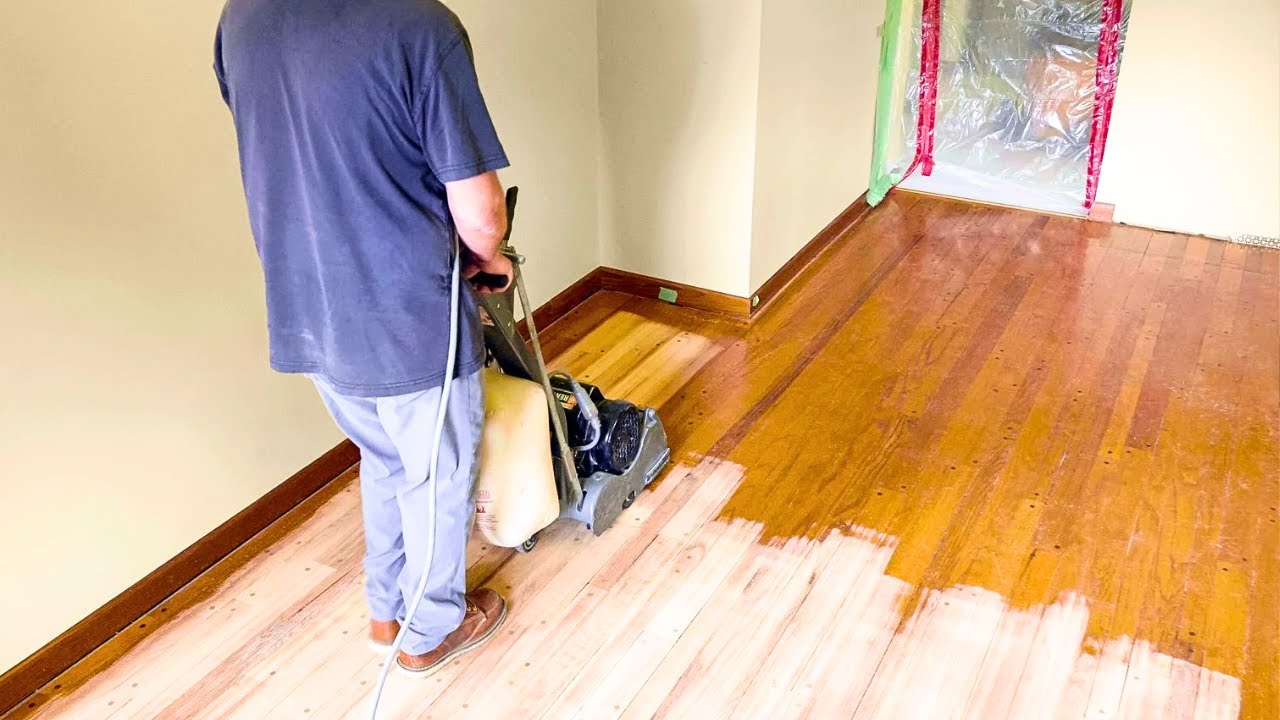
Construction Site Cleanup service being performed in Dallas, TX

Complete Construction Site Cleanup Solutions

The transition from active construction to finished space requires more than debris removal—it demands comprehensive cleaning that addresses every surface, fixture, and system within your project. Post Construction Cleaning Pros delivers thorough construction site cleanup services throughout Dallas, TX, ensuring your projects meet the highest standards for final inspections and client handovers.

Understanding Construction Site Cleanup

Construction site cleanup encompasses the systematic cleaning of all areas within a construction project following the completion of building activities. Unlike routine maintenance cleaning, post-construction cleanup addresses the unique challenges of construction residue including fine dust, adhesive residues, paint splatter, and installation debris that standard cleaning cannot address.

In Dallas's competitive construction market, from medical facilities in the Medical District to luxury residential towers in Uptown, thorough site cleanup directly impacts inspection outcomes, client satisfaction, and your professional reputation.

Our Comprehensive Cleanup Process

Phase 1: Rough Cleaning

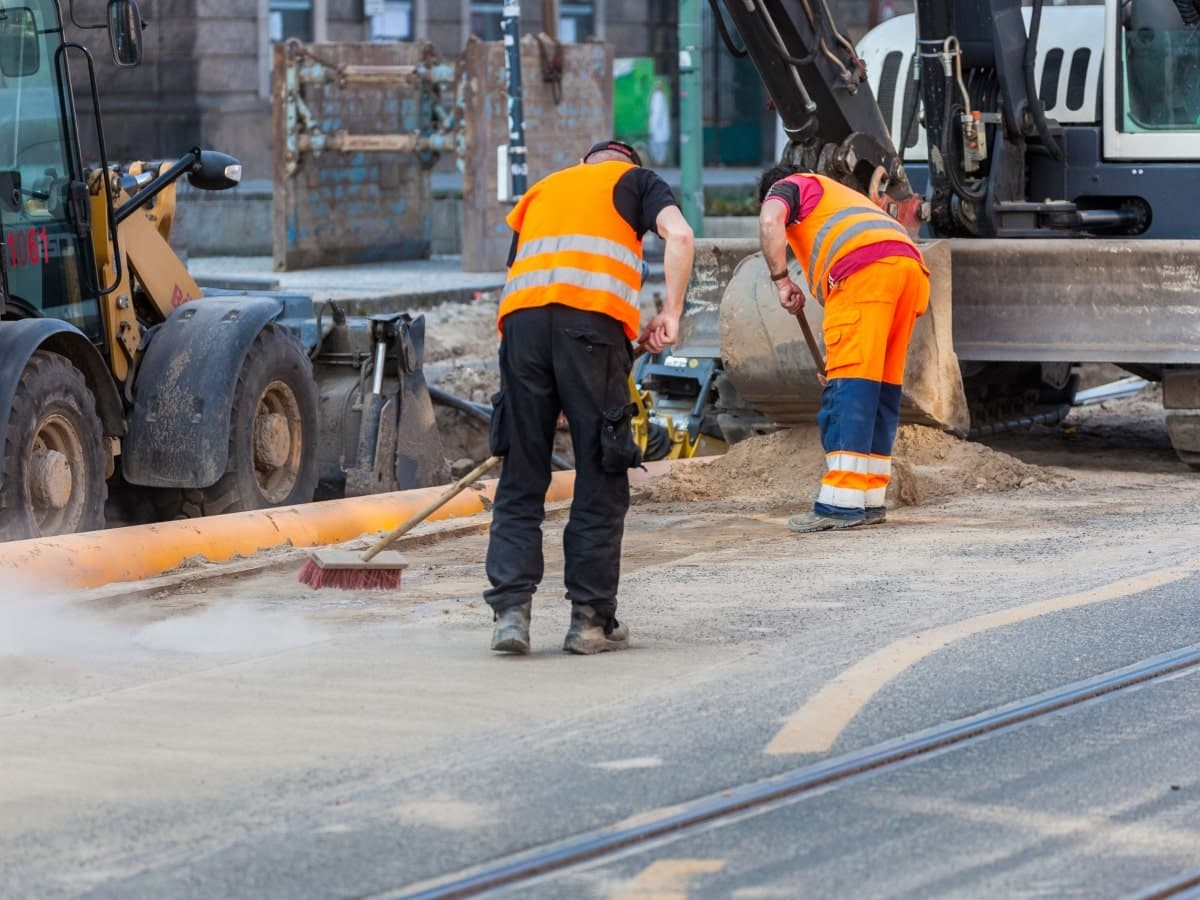
Following substantial completion of construction work, our crews perform initial rough cleaning to remove construction debris, sweep floors, and prepare surfaces for detailed cleaning. This phase addresses the heavy accumulation of dust and debris generated during construction activities.

Phase 2: Detailed Surface Cleaning

Our technicians systematically clean all surfaces including walls, ceilings, floors, windows, and fixtures. We use construction-grade cleaning agents formulated to dissolve adhesive residues, remove paint splatter, and eliminate construction dust without damaging finishes.

Phase 3: Fixture and System Cleaning

Light fixtures, HVAC vents, plumbing fixtures, and electrical components receive detailed attention to remove construction dust and ensure proper function. This critical phase prepares systems for operational testing and inspection.

Phase 4: Final Detail Cleaning

The final phase addresses high-touch surfaces, glass and mirror polishing, and cosmetic details that create the finished appearance clients expect. We perform quality inspections to ensure every area meets our standards.

Areas We Clean

Interior Spaces

  • Living areas and common spaces
  • Kitchens and food service areas
  • Bathrooms and restroom facilities
  • Offices and conference rooms
  • Hallways and circulation areas
  • Storage and utility rooms

Vertical Surfaces

  • Interior and exterior walls
  • Ceilings and overhead structures
  • Doors and frames
  • Baseboards and trim work
  • Windows and glass partitions

Flooring Systems

  • Hardwood and engineered flooring
  • Carpet and textile surfaces
  • Tile and stone installations
  • Concrete and epoxy floors
  • Vinyl and resilient flooring

Systems and Fixtures

  • HVAC vents and returns
  • Lighting fixtures and controls
  • Plumbing fixtures and fittings
  • Electrical panels and outlets
  • Fire safety equipment

Specialized Cleaning for Dallas Construction

Medical and Healthcare Facilities

Healthcare construction in Dallas requires cleaning protocols that support infection control and meet Joint Commission standards. We use hospital-grade disinfectants and follow strict cross-contamination prevention procedures.

Commercial Office Spaces

Dallas's booming commercial real estate market demands quick turnaround times and flexible scheduling to minimize tenant disruption. We coordinate with property managers to execute cleaning during off-hours and weekends.

Multi-Family Residential

Apartment and condominium projects require attention to resident amenities, common areas, and individual units. Our crews understand the multi-phase turnover requirements typical of Dallas multi-family developments.

Industrial and Warehouse Facilities

Large-scale industrial projects in areas like the Dallas Logistics Hub require specialized equipment and crews trained in industrial safety protocols. We scale our services to match facility size and complexity.

Quality Assurance Standards

Our construction site cleanup services adhere to rigorous quality standards:

Inspection-Ready Results

Every project undergoes pre-delivery inspection using checklists aligned with Dallas building inspection requirements. We identify and address deficiencies before your official inspection.

Photo Documentation

We provide comprehensive photo documentation of completed work, supporting your quality control processes and providing records for client presentations.

Corrective Action Protocol

Should any area fail to meet standards, our crews return promptly to address issues at no additional cost. We stand behind our work with comprehensive service guarantees.

Dallas Market Expertise

Our deep experience in the Dallas construction market provides significant advantages:

Local Code Knowledge

We understand Dallas building code requirements, inspection processes, and the specific cleanliness standards expected by local inspectors.

Climate Considerations

Dallas weather patterns including dust storms and humidity affect cleaning approaches. We adjust methods and timing to account for local conditions.

Transportation and Logistics

Our fleet and crews navigate Dallas's complex freeway systems and urban density efficiently, ensuring reliable service across the entire metroplex.

Service Coverage

We provide construction site cleanup throughout Dallas and surrounding communities including Arlington, Garland, Mesquite, Irving, Grand Prairie, Lewisville, McKinney, Plano, Carrollton, Frisco, Denton, and Richardson.

Contact Post Construction Cleaning Pros to discuss your construction site cleanup requirements. Our experienced teams ensure your Dallas projects are delivered clean, on time, and ready for occupancy.

How We Sequence Site Cleanup Around Final Trades

Construction site cleanup works best when it is coordinated with the actual state of the job, not just the calendar. We confirm whether drywall work, paint touch-ups, floor installation, fixture setting, and exterior punch items are still active before assigning crews. That helps us decide whether the site needs rough cleaning, final detailing, or a staged approach that protects completed rooms while trades finish elsewhere.

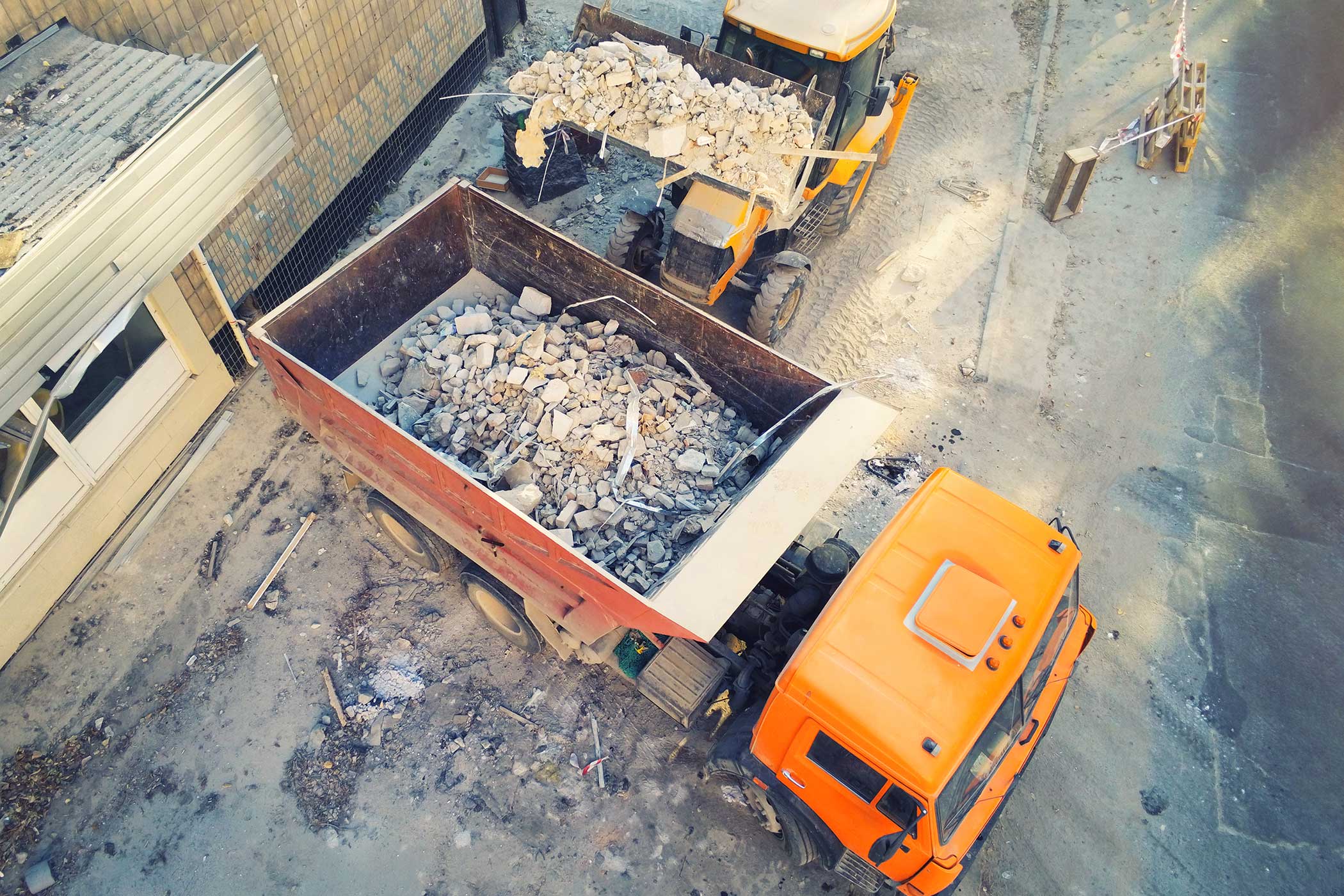
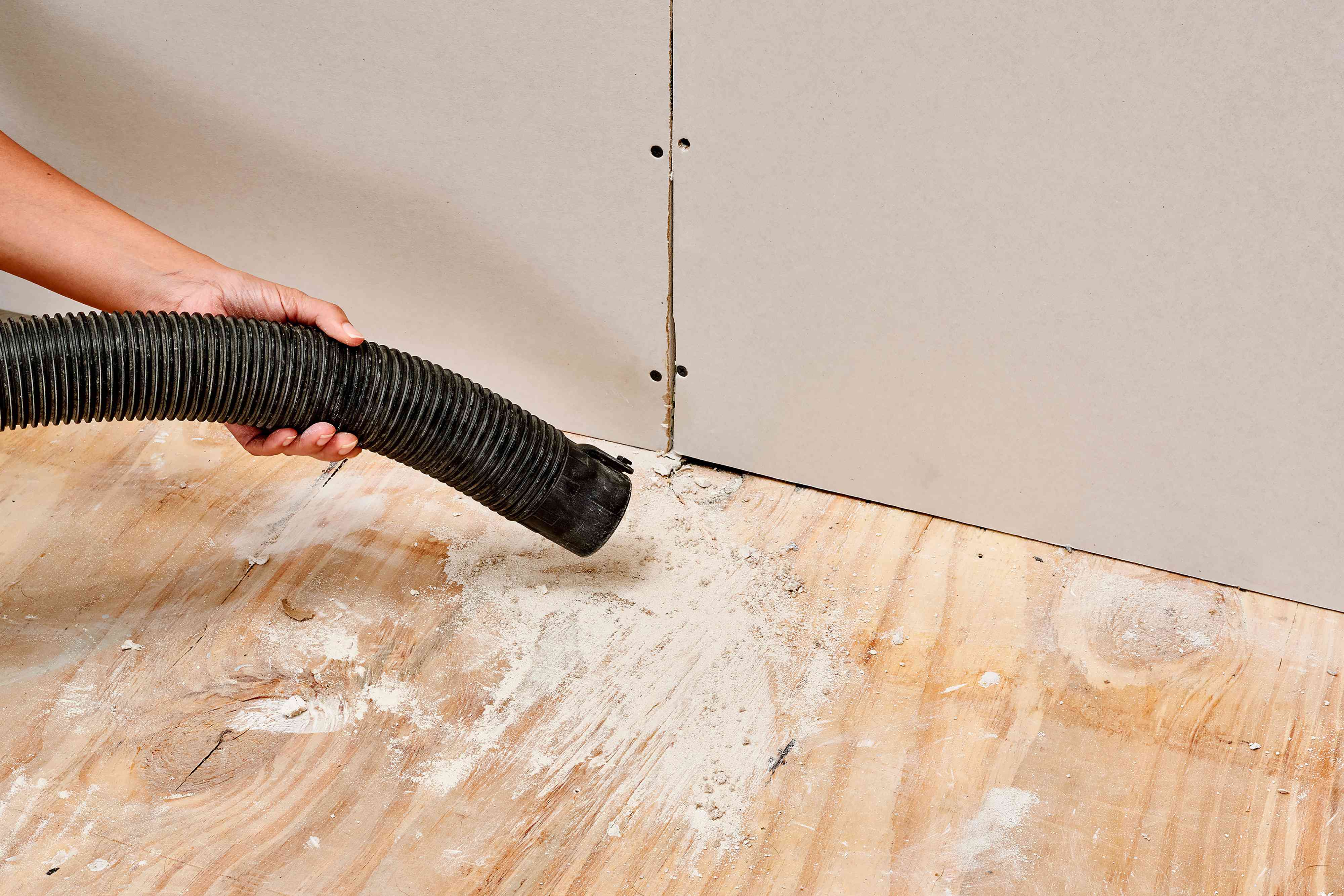
On Dallas projects, the cleanup plan often includes clearing access paths, removing loose debris, sweeping and vacuuming work zones, cleaning surfaces that are ready, and identifying areas that should wait until the last dusty tasks are complete. This keeps the site safer while preventing the finished clean from being wasted too early.
Why This Service Matters After Construction

Final cleaning is where a project starts to feel complete. For construction site cleanup, our crews focus on the details that affect inspection readiness, occupant comfort, and the way the space presents during turnover.

Complete multi-phase cleaning process

Inspection-ready results guaranteed

Experienced with Dallas building codes

Flexible scheduling for project timelines

Photo documentation and quality reports

Specialized equipment for all surface types

Safe, insured professional crews

Frequently Asked Questions

How long does construction site cleanup typically take?

Timeline depends on project size and complexity. A typical residential cleanup takes 1-2 days, while commercial projects may require 3-7 days. Large-scale facilities or projects with extensive fine finishing may require additional time. We provide detailed timelines during our initial assessment.

Do you work with specific builders or general contractors in Dallas?

We partner with construction professionals throughout the Dallas-Fort Worth area including general contractors, property developers, and construction management firms. Our services integrate seamlessly with project schedules and quality control processes.

What cleaning products do you use on new construction?

We use professional-grade cleaning agents specifically formulated for post-construction cleaning. These products effectively remove construction residue without damaging new finishes. For sensitive environments like healthcare facilities, we use appropriate hospital-grade and environmentally certified products.

Can you handle cleanup for occupied renovations?

Yes, we regularly perform construction cleanup in occupied buildings including office renovations, hotel room refreshes, and retail space updates. We work during off-hours, isolate work areas, and maintain strict dust control to minimize disruption to ongoing operations.

Do you provide cleanup services during construction phases?

In addition to final cleanup, we provide ongoing construction cleaning services including phase cleaning between trades, preparation for inspections, and maintenance cleaning during extended construction periods. These services help maintain safety and efficiency on active job sites.

Ready to Get Started?

Contact us today for a free, no-obligation quote for construction site cleanup services in Dallas and surrounding areas.

services planning guide

How to plan construction site cleanup for a construction project in Dallas

Post Construction Cleaning Pros uses the following planning framework to help property managers and business owners turn a request for post-construction cleanup and final cleaning into a scope that can be walked, priced, scheduled, and checked. It is designed for practical comparison and does not replace site-specific safety, material, vendor, or regulatory requirements.

Define the Work Before Pricing It

For multi-tenant or mixed-use properties, construction site cleanup should be divided by responsibility zone. Common areas, tenant suites, back-of-house spaces, loading areas, public restrooms, and restricted rooms can then receive schedules and approval rules that match their actual use. A walkthrough for construction site cleanup is most productive when the decision-maker identifies the spaces that create complaints, the areas that carry the most traffic, and the tasks the current program misses. Those observations turn a generic checklist into a practical scope tied to the way the property is actually used. Construction Site Cleanup should begin with a written definition of the rooms, surfaces, fixtures, equipment boundaries, and access conditions included in the work. A useful scope separates routine tasks from periodic restoration so the facility manager can see what happens on every visit and what occurs only on a planned cycle. Change orders are easier to avoid when the initial construction site cleanup proposal records current conditions. Photographs, floor-type notes, access limitations, and known buildup give both sides a shared baseline for deciding what belongs in startup work and what belongs in recurring maintenance.

Build the Schedule Around Operations

Daytime and after-hours service solve different operational problems. Day porter coverage manages visible conditions while people are present; after-hours crews complete disruptive or time-intensive tasks when work areas can be accessed safely and thoroughly. Access planning is part of service planning. Keys, badges, alarm procedures, loading access, elevator reservations, escort rules, and locked-room approvals should be confirmed before the first construction site cleanup visit so the crew can complete the full scope without improvising. A dependable plan includes a method for reporting schedule changes. The facility contact should know whom to notify, how much lead time is needed, and how missed or added visits affect the monthly program before an urgent request arises. Scheduling should be built around operating hours and risk, not around the cleaning company’s convenience. Some construction project environments need a complete after-hours reset, while others benefit from daytime attention to entrances, restrooms, spills, or high-traffic common areas.

Make Quality Control Observable

Before-and-after documentation is especially valuable for one-time or restorative construction site cleanup. It establishes the starting condition, records the completed result, and helps the facility manager decide whether a recurring maintenance cycle would prevent the same buildup. Consistent crew assignments improve construction site cleanup because the team learns access routines, material sensitivities, recurring problem areas, and the expectations of the facility contact. Coverage plans are still necessary for absences so consistency does not depend on one individual. A single complaint channel prevents service issues from disappearing between building occupants, property management, and the cleaning crew. Requests should be logged with the location, task, urgency, and desired completion time so the response can be verified. Useful performance conversations separate an isolated miss from a recurring process failure. One unemptied bin requires correction; repeated misses in the same wing may indicate unclear zoning, inadequate time, or a checklist that does not match the building.

Match Methods to Materials and Risk

Color-coded cloths, pads, and tools can reduce cross-use between restrooms, food areas, workspaces, and public surfaces. The exact system matters less than having a documented method the crew can follow consistently. A material-safety discussion should include storage and labeling. Facility contacts should know where products and equipment will be kept, which rooms remain accessible to occupants, and how spills or damaged containers are reported. Consumable supplies deserve their own responsibility list. Soap, paper products, liners, dispensers, batteries, air fresheners, and specialty items may be client supplied, contractor supplied, or billed separately, but the agreement should not leave that question open. Dwell time and physical removal are central to effective cleaning. A product cannot perform as intended if it is wiped away immediately, and loosened soil still needs to be removed with clean tools rather than redistributed across the surface.

Use the Walkthrough to Build the Scope

The walkthrough should follow the facility’s traffic pattern from entrances through work areas, restrooms, support rooms, and exits. This reveals where soil enters, where it concentrates, and which tasks must be completed in a particular order. For larger properties, divide the walkthrough into zones and record the floor type, use, occupancy, and desired frequency for each. This produces a proposal that can be adjusted by zone without rewriting the entire program. If the requested construction site cleanup includes restorative work, identify the difference between a first-service reset and ongoing maintenance. Startup work may require additional labor that should not be hidden inside the recurring visit price. Discuss current service honestly during the walkthrough. What works should be preserved, what fails should be corrected, and any unrealistic expectation should be resolved before it becomes a recurring dispute after startup.

Put the Service Agreement in Writing

The agreement should explain how additional work is approved. Emergency cleanup, event service, construction dust, floor restoration, and extra porter coverage should not be performed or billed through an informal request that no one can later verify. The agreement should state how holidays, weather closures, and client-requested skips are handled. These events affect visit counts and staffing, and the billing treatment should be clear before the first calendar exception. Cancellation, renewal, and notice terms deserve the same attention as the cleaning checklist. A facility manager comparing proposals should understand the initial term, renewal method, price-review process, and the notice required to change or end service. Pricing should state whether it is monthly, per visit, hourly, or project based and should identify the assumptions behind it. Changes in occupied square footage, frequency, access time, or task scope need an agreed method for repricing.

Plan for Dallas Facility Conditions

Fast regional growth creates frequent move-ins, renovations, tenant turnovers, and occupancy changes. The cleaning scope should be reviewed when a property changes use instead of assuming the previous tenant’s schedule remains appropriate. A local service plan should account for the property’s immediate environment. Construction nearby, open parking, landscaping, loading activity, and pedestrian traffic can change how quickly dust and debris return after a visit. Commercial properties in the region frequently combine offices, warehouses, showrooms, food service, or public-facing areas under one address. Zoning the scope by use keeps the cleaning method appropriate for each part of the building. Dallas facilities contend with long cooling seasons, tracked-in dust, pollen, severe-weather debris, and rapid development activity. Those conditions can influence entry cleaning, high dusting, floor care, glass maintenance, and the timing of periodic deep work.

Compare Providers on More Than Price

A pilot or structured startup can be useful when the facility is complex or the current condition is uncertain. Define what will be evaluated, how long the evaluation lasts, and what information determines the permanent scope. Ask each provider to explain staffing assumptions, visit length, supervision, equipment, and the process for covering absences. The answer reveals whether the proposal is an operating plan or simply a price attached to a task list. Consider the cost of under-scoping. Persistent complaints, damaged finishes, emergency restoration, staff time spent supervising the vendor, and repeated provider changes can cost more than a properly designed recurring program. Review the proposal for vague language. Terms such as “as needed,” “regularly,” and “periodically” should be converted into frequencies, triggers, or approval rules before the agreement is signed.

Start, Measure, and Adjust the Program

Closeout reporting should match the account’s complexity. A small property may need simple completion confirmation; a larger or specialized account may need inspection notes, issue photographs, supply alerts, and a record of periodic tasks. After the first service cycle, compare actual labor and facility condition with the proposal assumptions. If the original scope was inaccurate, adjust it openly rather than expecting quality to survive an unrealistic workload. Task sequencing affects results. High dusting should precede lower-surface cleaning, dry soil removal should precede wet work, and areas with restricted reopening times should be completed early enough to dry or ventilate. Crew orientation should cover the approved scope, building access, material cautions, waste handling, supply storage, security, and the communication path for exceptions. Written information is more dependable than verbal instructions passed between shifts.

Bring to the walkthrough

  • Approximate square footage, floor plan, and operating hours
  • Current frequency, known complaints, and priority areas
  • Flooring and surface notes, restricted rooms, and access rules
  • Desired start date, budget constraints, and approval contacts

Expect in a written proposal

  • Task scope by zone and visit frequency
  • Service windows, periodic work, and supply responsibility
  • Quality checks, communication, and correction procedures
  • Pricing assumptions, exclusions, and change-order rules