Post Construction Cleaning Pros

Post-Construction Debris Removal in Dallas, TX

Professional debris removal services for construction sites throughout Dallas, TX. We safely clear lumber scraps, drywall pieces, packaging materials, and all construction waste to prepare your site for final inspection.

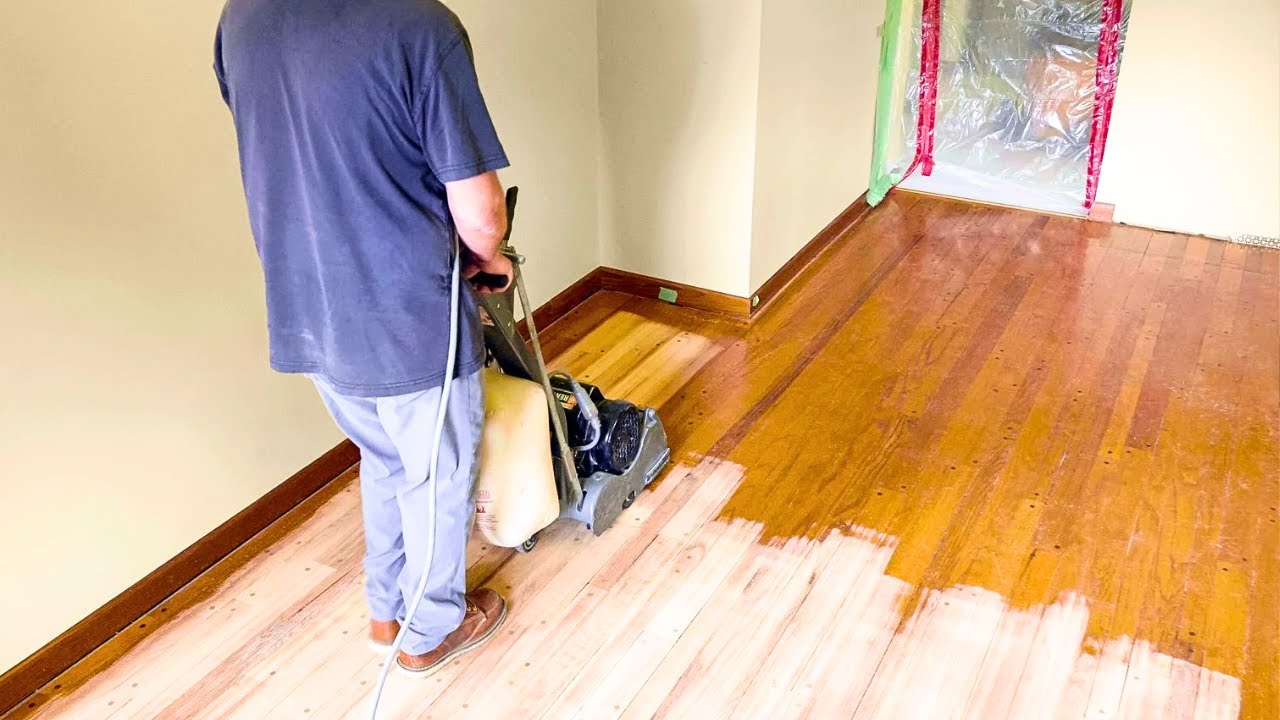
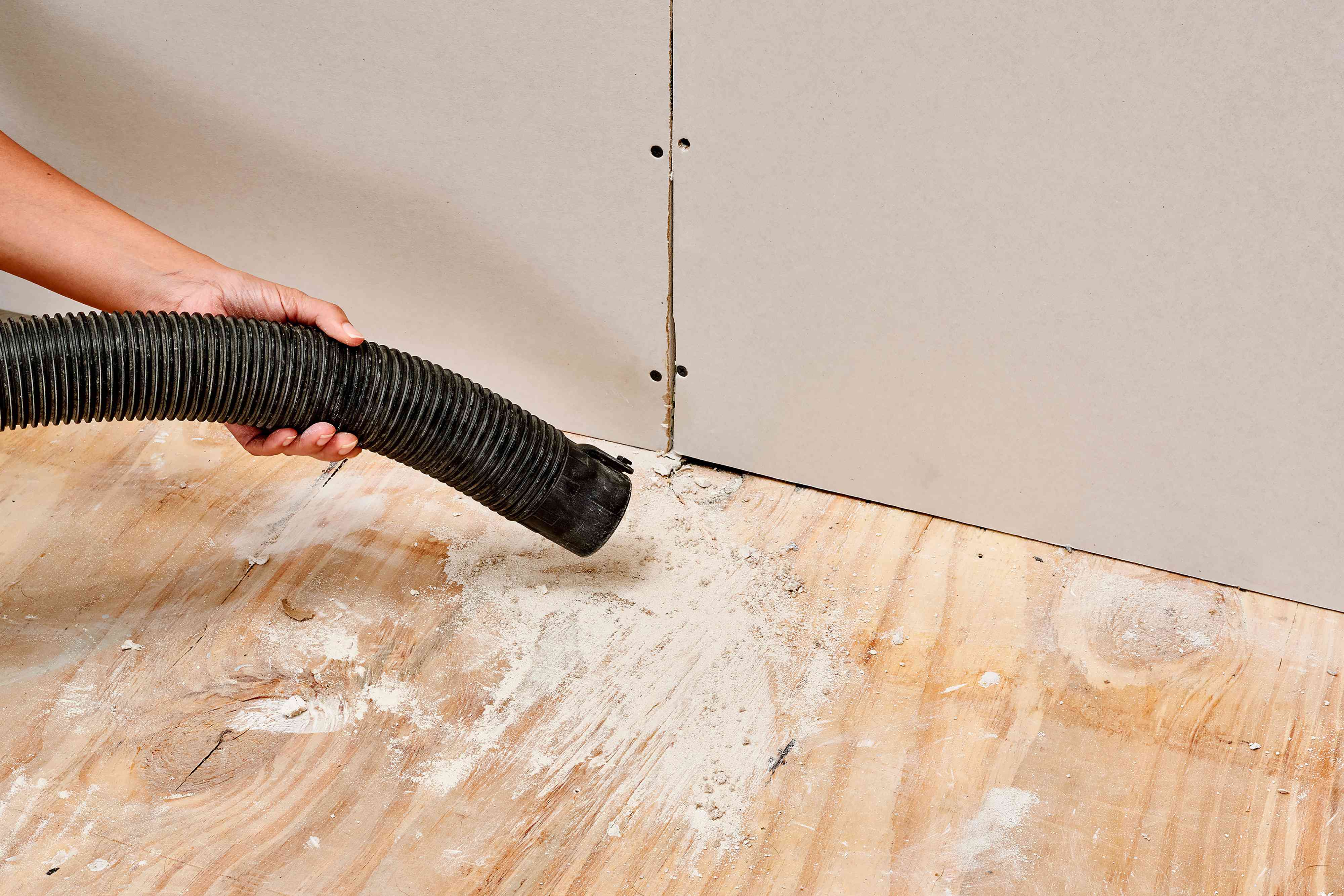
Post-Construction Debris Removal service being performed in Dallas, TX

Comprehensive Post-Construction Debris Removal Services

Construction projects generate significant amounts of waste material that must be properly removed before final inspections and occupancy. Post Construction Cleaning Pros provides professional debris removal services throughout the Dallas-Fort Worth metroplex, ensuring your job site is cleared safely, efficiently, and in compliance with all local disposal regulations.

What Is Post-Construction Debris Removal?

Post-construction debris removal is the systematic process of clearing construction sites of all leftover materials, packaging, and waste products following the completion of building work. This critical phase transitions a construction zone into a clean, safe environment ready for finishing touches and final occupancy. The scope includes removing everything from lumber offcuts and drywall scraps to packaging materials, damaged fixtures, and hazardous waste.

In Dallas, where construction activity spans from Uptown high-rises to suburban developments in Plano and Frisco, proper debris removal is essential for meeting city inspection requirements and ensuring worker safety during the final cleaning phases.

Types of Debris We Remove

Our comprehensive debris removal services address all categories of construction waste common to Dallas building projects:

Wood and Lumber Materials

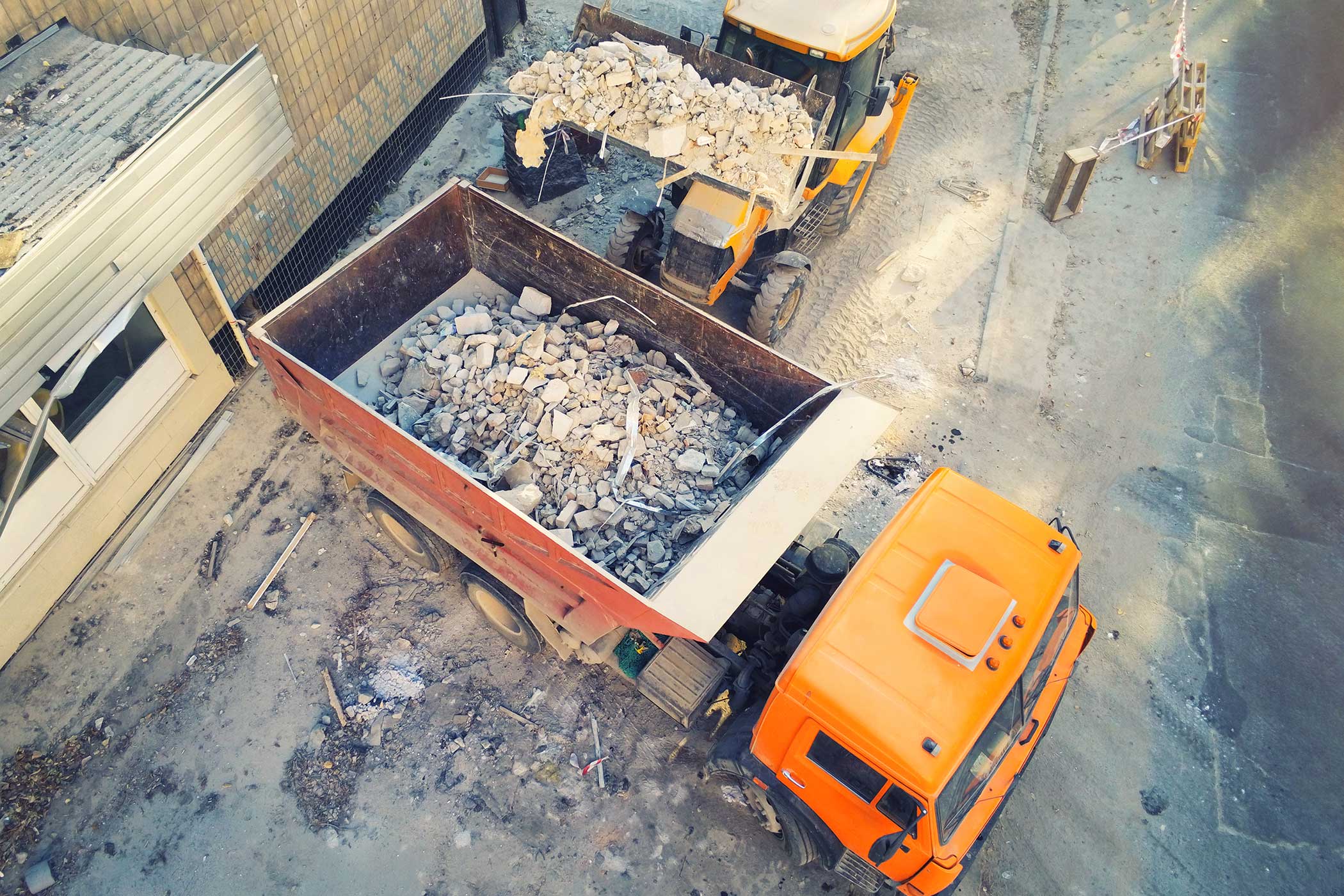
Scrap lumber, plywood offcuts, damaged framing materials, and wooden pallets accumulate rapidly during construction. We collect and properly sort these materials for recycling or appropriate disposal at Dallas-area facilities.

Drywall and Gypsum Board

Damaged drywall sheets, corner bead scraps, and joint compound residue require special handling. We ensure proper containment and disposal following Texas environmental guidelines.

Packaging and Protective Materials

Cardboard boxes, plastic wrapping, foam insulation, and protective coverings from fixtures and appliances are systematically collected and sorted for recycling whenever possible.

Metal Scraps

HVAC ductwork offcuts, electrical conduit pieces, plumbing fittings, and other metal debris are separated for scrap metal recycling, supporting sustainable construction practices.

Concrete and Masonry

Broken concrete pieces, brick fragments, and tile remnants are hauled away and directed to appropriate crushing or disposal facilities in the Dallas area.

Insulation Materials

Fiberglass batts, spray foam residue, and rigid insulation board pieces are safely removed and disposed of according to manufacturer and environmental guidelines.

Our Debris Removal Process

Initial Site Assessment

Our team conducts a thorough walkthrough of your Dallas construction site to identify all debris types, assess volume, and determine the most efficient removal strategy. We note any hazardous materials requiring special handling and develop a comprehensive removal plan.

Systematic Collection

Crews work methodically through each area of your project, collecting debris into appropriate containers. We separate recyclable materials from general waste to maximize sustainability and minimize disposal costs.

Safe Transportation

All debris is loaded onto our fleet of trucks using proper lifting techniques and equipment. We secure loads according to Texas Department of Transportation regulations to ensure safe transport to disposal facilities.

Proper Disposal and Documentation

Materials are delivered to licensed disposal and recycling facilities throughout Dallas County. We provide documentation of proper disposal for your records and inspection requirements.

Why Professional Debris Removal Matters

Safety Compliance

Construction sites with scattered debris present trip hazards, fire risks, and potential injury points. Professional removal eliminates these dangers before final cleaning crews and inspectors arrive.

Regulatory Compliance

Dallas building codes and Texas environmental regulations govern construction waste disposal. Our team ensures all materials are handled according to current requirements, protecting your project from potential violations.

Efficiency and Timeline

Professional debris removal crews equipped with proper tools and vehicles complete the work significantly faster than general laborers, keeping your project on schedule for final inspections and occupancy.

Environmental Responsibility

We prioritize recycling and proper disposal over simple landfill dumping, supporting Dallas sustainability initiatives and reducing the environmental impact of construction activities.

Dallas-Specific Considerations

Dallas construction projects face unique debris removal challenges including:

  • **Urban Density**: High-rise and downtown projects require coordination with building management for loading dock access and elevator scheduling
  • **Weather Extremes**: Sudden storms can scatter lightweight debris; we provide weather-responsive scheduling
  • **Transportation Logistics**: Navigating Dallas freeway systems and construction zones requires local knowledge for efficient transport
  • **Local Disposal Facilities**: We maintain relationships with recycling centers and disposal sites throughout Dallas, Garland, Irving, and surrounding areas

Benefits of Our Debris Removal Service

Comprehensive Site Clearing

We remove all categories of construction debris, leaving your site completely clear and ready for final cleaning phases. Our thorough approach ensures nothing is overlooked.

Time and Cost Efficiency

Professional crews with appropriate equipment complete debris removal faster than untrained labor, reducing labor costs and keeping projects on schedule.

Regulatory Protection

Proper documentation and licensed disposal protect your project from potential fines or violations related to improper waste handling.

Environmental Stewardship

Our recycling programs divert significant waste from landfills, supporting green building initiatives and corporate sustainability goals.

Safety Enhancement

Clean job sites reduce accident risks and demonstrate professional project management to clients and inspectors.

Service Areas

We provide post-construction debris removal throughout the Dallas-Fort Worth metroplex including Dallas, Arlington, Garland, Mesquite, Irving, Grand Prairie, Lewisville, McKinney, Plano, Carrollton, Frisco, Denton, and Richardson.

Contact Post Construction Cleaning Pros today to schedule professional debris removal for your Dallas construction project. Our experienced crews ensure your site is cleared safely, efficiently, and ready for final inspection.
Why This Service Matters After Construction

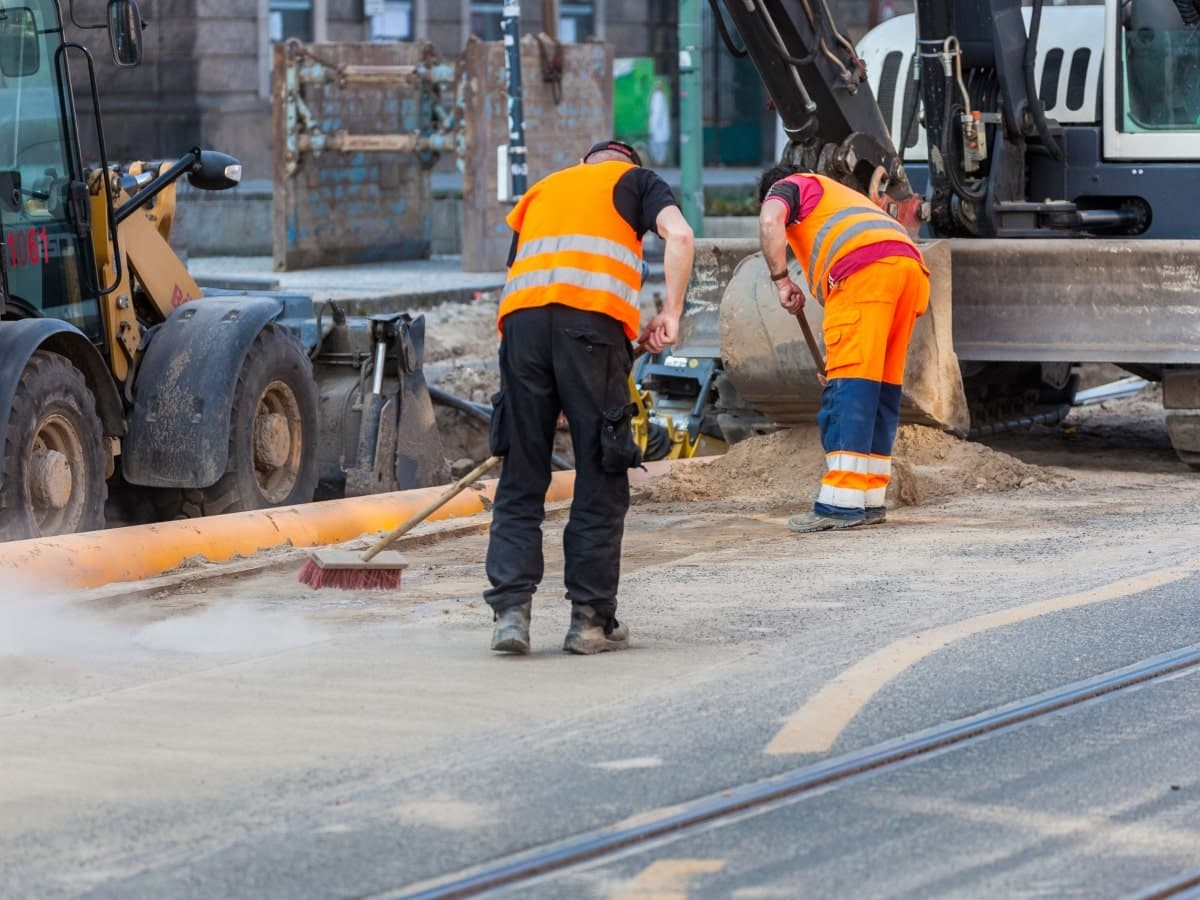
Final cleaning is where a project starts to feel complete. For post-construction debris removal, our crews focus on the details that affect inspection readiness, occupant comfort, and the way the space presents during turnover.

Safe removal of all construction debris types

Compliance with Dallas and Texas disposal regulations

Recycling and sustainable waste management

Fast turnaround to meet inspection deadlines

Comprehensive site clearing for final cleaning

Licensed and insured professional crews

Documentation for compliance records

Frequently Asked Questions

How quickly can you remove debris from my construction site?

Most debris removal projects in Dallas can be scheduled within 24-48 hours. The actual removal time depends on site size and debris volume, but our crews typically complete residential projects in a single day and commercial sites within 1-3 days.

Do you handle hazardous construction materials?

We remove common construction debris including materials with construction dust and residues. For materials classified as hazardous waste under EPA or Texas regulations (certain chemicals, asbestos, lead-based paint debris), we coordinate with licensed hazardous waste specialists to ensure proper handling and disposal.

What happens to the debris after removal?

We sort all collected materials and direct them to appropriate facilities. Recyclable materials including metal, wood, and cardboard go to Dallas-area recycling centers. General construction waste goes to licensed disposal facilities. We provide documentation of proper disposal for your records.

Do I need to be present during debris removal?

While not required, we recommend having a project representative available at the beginning to confirm scope and at completion to verify satisfaction. Many Dallas contractors provide site access instructions and review requirements remotely.

How do you price debris removal services?

Pricing is based on debris volume, material types, site accessibility, and labor requirements. We provide detailed estimates after site assessment. Factors include truckloads required, special handling needs, and disposal fees at Dallas-area facilities.

Ready to Get Started?

Contact us today for a free, no-obligation quote for post-construction debris removal services in Dallas and surrounding areas.

services planning guide

How to plan post construction debris removal for a construction project in Dallas

Post Construction Cleaning Pros uses the following planning framework to help property managers and business owners turn a request for post-construction cleanup and final cleaning into a scope that can be walked, priced, scheduled, and checked. It is designed for practical comparison and does not replace site-specific safety, material, vendor, or regulatory requirements.

Define the Work Before Pricing It

A commercial scope should distinguish appearance cleaning from hygiene work and asset maintenance. Dust removal, disinfection, floor finish care, glass restoration, and debris control solve different problems, use different processes, and often belong on different frequencies. Square footage alone does not define the effort required for post construction debris removal. Occupancy, floor materials, restroom count, food or production activity, security procedures, furniture density, and the time available between closing and reopening all affect labor and equipment planning. For multi-tenant or mixed-use properties, post construction debris removal should be divided by responsibility zone. Common areas, tenant suites, back-of-house spaces, loading areas, public restrooms, and restricted rooms can then receive schedules and approval rules that match their actual use. Change orders are easier to avoid when the initial post construction debris removal proposal records current conditions. Photographs, floor-type notes, access limitations, and known buildup give both sides a shared baseline for deciding what belongs in startup work and what belongs in recurring maintenance.

Build the Schedule Around Operations

For Dallas–Fort Worth properties, travel windows and building access can materially affect the usable service period. A realistic schedule accounts for security handoffs and operating deadlines rather than promising a start time that leaves too little time to finish. A nightly, daily, weekly, or project schedule changes more than visit frequency. It changes how much soil accumulates between visits, which tools are appropriate, how long each visit takes, and whether periodic deep work must be layered into the agreement. Access planning is part of service planning. Keys, badges, alarm procedures, loading access, elevator reservations, escort rules, and locked-room approvals should be confirmed before the first post construction debris removal visit so the crew can complete the full scope without improvising. A dependable plan includes a method for reporting schedule changes. The facility contact should know whom to notify, how much lead time is needed, and how missed or added visits affect the monthly program before an urgent request arises.

Make Quality Control Observable

The account review should examine service requests, inspection findings, occupancy changes, supply use, and upcoming facility events. That review keeps the program aligned with the property instead of allowing an old scope to continue after the building changes. A single complaint channel prevents service issues from disappearing between building occupants, property management, and the cleaning crew. Requests should be logged with the location, task, urgency, and desired completion time so the response can be verified. A quality program should explain how corrections are handled. The facility contact needs a clear response path, a reasonable correction window, and confirmation when the issue is closed rather than a vague assurance that someone will look into it. Consistent crew assignments improve post construction debris removal because the team learns access routines, material sensitivities, recurring problem areas, and the expectations of the facility contact. Coverage plans are still necessary for absences so consistency does not depend on one individual.

Match Methods to Materials and Risk

Surface identification matters because a process that works on one material can damage another. Before post construction debris removal, confirm flooring, stone, coated metal, glass treatments, upholstery, painted surfaces, and manufacturer restrictions that affect chemistry or agitation. For sensitive or newly installed materials, a small test area can prevent expensive mistakes. The service plan should identify who approves the test result before broader cleaning or restoration proceeds. Product selection should match the task and the occupied environment. Cleaning, degreasing, disinfecting, descaling, and finishing are different functions; using one product for every surface can leave residue, reduce effectiveness, or shorten asset life. Equipment should be selected for the facility rather than for convenience. HEPA filtration, low-moisture extraction, auto-scrubbing, water-fed poles, pressure equipment, or detail tools may be appropriate depending on access, surface, soil, and reopening time.

Use the Walkthrough to Build the Scope

Ask department leads or regular occupants where cleaning failures are most visible. Facility managers often know the formal complaints, while daily users can identify recurring issues such as neglected corners, supply shortages, or timing conflicts. A useful walkthrough ends with next steps: who will receive the written scope, who can approve revisions, whether a second technical visit is required, and what information is still needed before pricing is final. The walkthrough should follow the facility’s traffic pattern from entrances through work areas, restrooms, support rooms, and exits. This reveals where soil enters, where it concentrates, and which tasks must be completed in a particular order. Bring a current floor plan, operating schedule, and list of known problem areas to the walkthrough. These details help Post Construction Cleaning Pros organize post construction debris removal around actual conditions instead of estimating from square footage and a short phone description.

Put the Service Agreement in Writing

Pricing should state whether it is monthly, per visit, hourly, or project based and should identify the assumptions behind it. Changes in occupied square footage, frequency, access time, or task scope need an agreed method for repricing. Service-level expectations should be realistic and observable. A promise of “perfect cleaning” is less useful than response times, inspection routines, named completion outcomes, and an escalation process for repeated deficiencies. A structured startup period gives both sides a chance to refine the scope. Early inspections and a scheduled review after the first few visits can resolve workload assumptions before they become embedded in a long-term program. The agreement should explain how additional work is approved. Emergency cleanup, event service, construction dust, floor restoration, and extra porter coverage should not be performed or billed through an informal request that no one can later verify.

Plan for Dallas Facility Conditions

Properties across Dallas–Fort Worth vary widely in access, occupancy, and operating schedule. A downtown office, suburban medical suite, industrial building, retail center, and hospitality property should not receive the same labor plan simply because their square footage is similar. Storm seasons can create short-notice needs around entrances, exterior glass, tracked moisture, construction material, and debris. A recurring account should know how to request work outside the normal scope and whether priority response is available. Dallas facilities contend with long cooling seasons, tracked-in dust, pollen, severe-weather debris, and rapid development activity. Those conditions can influence entry cleaning, high dusting, floor care, glass maintenance, and the timing of periodic deep work. Commercial properties in the region frequently combine offices, warehouses, showrooms, food service, or public-facing areas under one address. Zoning the scope by use keeps the cleaning method appropriate for each part of the building.

Compare Providers on More Than Price

Consider the cost of under-scoping. Persistent complaints, damaged finishes, emergency restoration, staff time spent supervising the vendor, and repeated provider changes can cost more than a properly designed recurring program. References are most useful when the compared account resembles the property in size, use, and schedule. A successful small office account does not by itself demonstrate the systems needed for a large, high-traffic, or specialized facility. Review the proposal for vague language. Terms such as “as needed,” “regularly,” and “periodically” should be converted into frequencies, triggers, or approval rules before the agreement is signed. The final decision should align service frequency with the facility’s real use. Buying fewer visits than the property needs creates visible decline; buying unnecessary frequency wastes budget that could be directed to periodic or high-priority work.

Start, Measure, and Adjust the Program

Periodic tasks should be placed on a calendar at startup. Floor work, carpet extraction, glass detailing, vent cleaning, high dusting, pressure cleaning, and other rotating services are easier to budget when dates are planned. The crew should record conditions outside the approved scope rather than quietly ignoring them or performing unapproved work. Photos and concise notes allow the facility manager to decide whether a separate service is warranted. Task sequencing affects results. High dusting should precede lower-surface cleaning, dry soil removal should precede wet work, and areas with restricted reopening times should be completed early enough to dry or ventilate. A stable program still needs review after renovations, staffing growth, seasonal traffic, operating-hour changes, or new equipment. Each change can alter soil load, access, or the time available for post construction debris removal.

Bring to the walkthrough

  • Approximate square footage, floor plan, and operating hours
  • Current frequency, known complaints, and priority areas
  • Flooring and surface notes, restricted rooms, and access rules
  • Desired start date, budget constraints, and approval contacts

Expect in a written proposal

  • Task scope by zone and visit frequency
  • Service windows, periodic work, and supply responsibility
  • Quality checks, communication, and correction procedures
  • Pricing assumptions, exclusions, and change-order rules