Post Construction Cleaning Pros

Hardwood Floor Restoration in Dallas, TX

Expert hardwood floor cleaning and restoration for Dallas construction projects. We remove construction residue, restore shine, and protect your investment with professional-grade products and techniques.

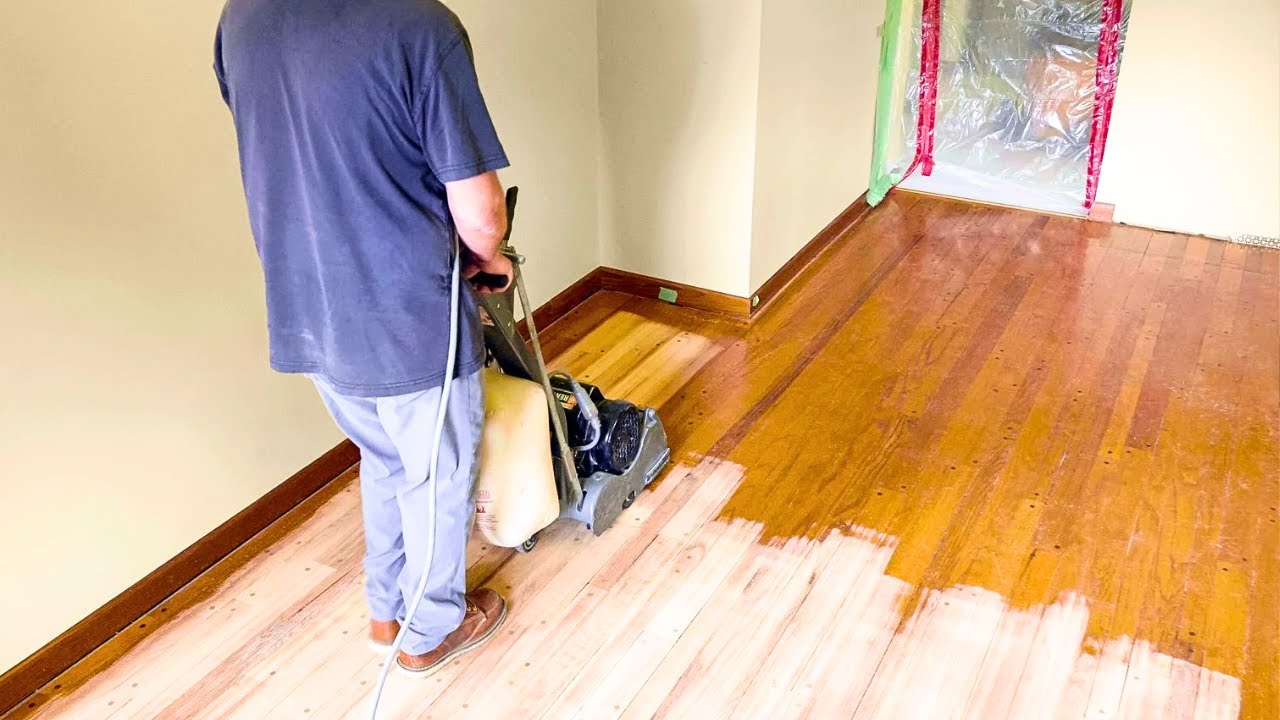
Hardwood Floor Restoration service being performed in Dallas, TX

Hardwood Floor Restoration Services

Hardwood flooring represents a significant investment in any construction or renovation project. During construction, these beautiful surfaces endure foot traffic, tool drops, adhesive spills, and layers of dust that can diminish their appearance and damage finishes. Post Construction Cleaning Pros provides specialized hardwood floor restoration services throughout Dallas, TX, returning your floors to showroom condition.

Construction Impact on Hardwood Floors

Construction activities create unique challenges for hardwood flooring:

Surface Contamination

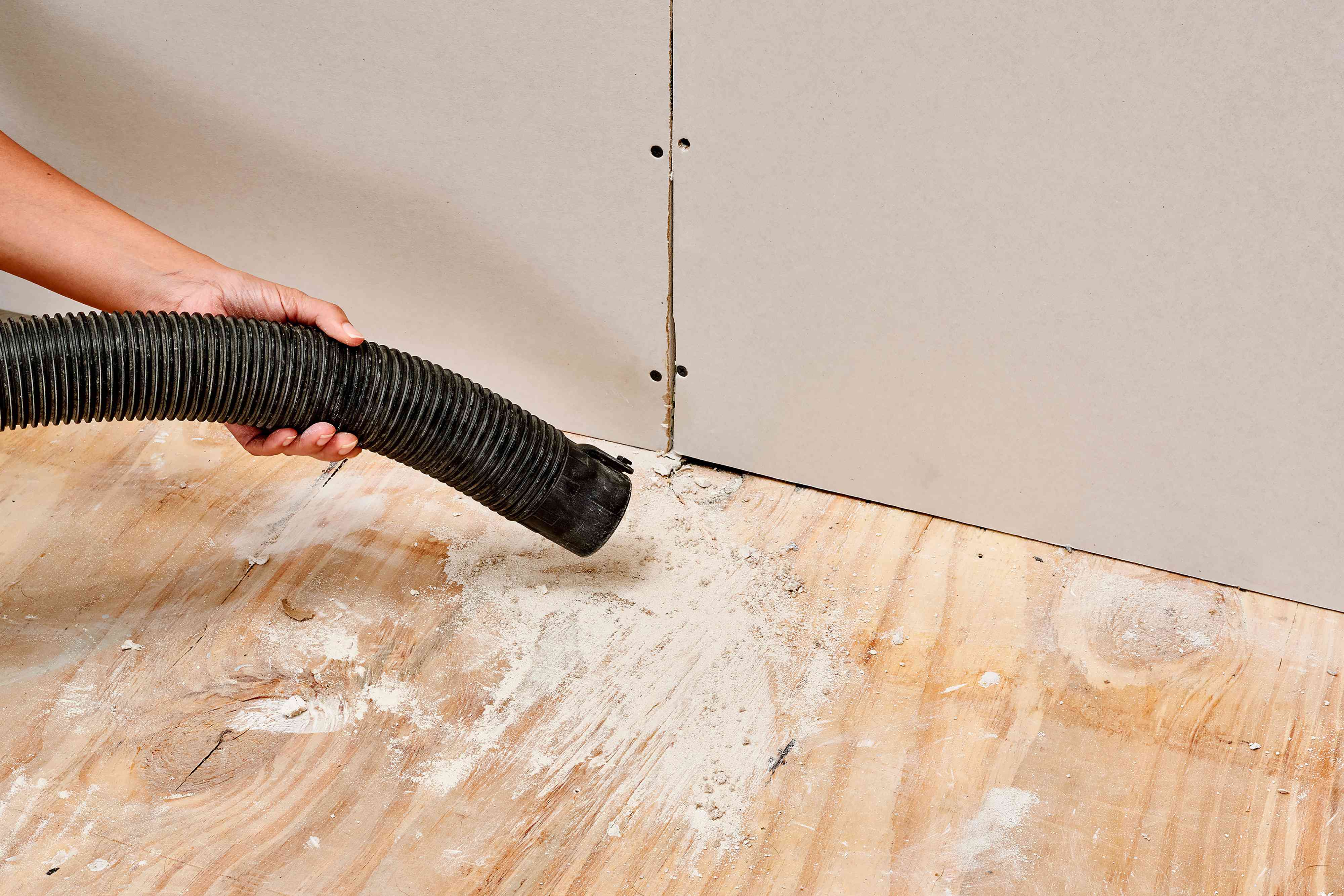
Drywall dust, sawdust, and general construction debris create abrasive layers that scratch finishes when walked upon. These fine particles work their way into grain and gaps, dulling appearance and potentially causing damage.

Adhesive and Paint Residue

Spills and splatters from adhesives, paint, and sealants require careful removal to avoid finish damage. Improper cleaning techniques can strip protective coatings or discolor wood surfaces.

Physical Damage

Tool drops, heavy equipment movement, and concentrated foot traffic during construction can create scratches, dents, and wear patterns that require professional attention.

Moisture Exposure

Wet trades including painting, plastering, and concrete work create humidity that affects wood flooring. Moisture can cause cupping, crowning, or finish cloudiness requiring restoration.

Our Restoration Process

Assessment and Testing

Our technicians evaluate floor condition, identifying finish type, damage extent, and appropriate restoration methods. We test cleaning products in inconspicuous areas to ensure compatibility with your specific flooring.

Deep Cleaning

Using professional-grade equipment and wood-safe cleaning agents, we remove all construction residue from floor surfaces. Our process extracts embedded dirt from grain and gaps without saturating wood or damaging finishes.

Spot Treatment

Adhesive spots, paint splatters, and stubborn stains receive targeted treatment using specialized techniques that remove contaminants while preserving wood and finish integrity.

Scratch and Scuff Removal

Minor surface damage is addressed through buffing and spot refinishing techniques. For more significant damage, we coordinate with flooring professionals for appropriate repairs.

Protective Treatment Application

Following cleaning and repair, we apply appropriate protective treatments including hardwood floor polish, refresher coatings, or sealant touch-ups to restore protection and luster.

Final Buffing and Inspection

Floors receive final buffing to achieve uniform sheen and appearance. We conduct thorough inspection to ensure every square foot meets our quality standards.

Hardwood Species We Service

Dallas construction features diverse hardwood species, each requiring specific care:

Domestic Hardwoods

Oak, maple, hickory, and walnut flooring common in Dallas residential construction each have unique grain patterns and hardness levels that inform our restoration approach.

Exotic Hardwoods

Brazilian cherry, teak, and other exotic species require specialized products and techniques to address their unique oil content and density characteristics.

Engineered Hardwood

Engineered flooring with thin veneer layers requires gentle cleaning that preserves the wear layer while removing construction residue.

Reclaimed and Specialty Woods

Historic restoration projects and specialty installations receive customized care appropriate to their unique age, finish, and value.

Advanced Restoration Techniques

Dustless Cleaning Systems

Our equipment captures dust and debris during cleaning, preventing redistribution and ensuring thorough removal.

pH-Balanced Cleaning Agents

We use cleaning solutions specifically formulated for hardwood that clean effectively without damaging finishes or altering wood chemistry.

Controlled Moisture Application

Where wet cleaning is necessary, we use minimal moisture application with immediate extraction to prevent wood damage.

Professional Buffing Equipment

Commercial-grade buffers with appropriate pads restore sheen and address minor surface imperfections without aggressive abrasion.

Dallas Climate Considerations

Dallas's climate affects hardwood flooring before, during, and after construction:

Humidity Management

Our restoration protocols account for seasonal humidity variations that affect wood moisture content and floor behavior.

Dust Control

Dallas's dusty environment and occasional sandstorms create additional cleaning challenges that our processes address effectively.

Temperature Effects

Temperature variations in unoccupied construction spaces can affect floor conditions; we assess and address temperature-related issues.

Protecting Your Investment

Hardwood flooring typically represents $8-15 per square foot in material costs alone. Professional restoration:

  • Prevents permanent damage requiring costly replacement
  • Maintains manufacturer warranty compliance
  • Preserves the aesthetic value that hardwood adds to properties
  • Extends floor lifespan through proper maintenance foundation

Service Applications

New Construction

Final cleaning and restoration prepare new hardwood floors for occupancy, removing construction residue and establishing protective treatments.

Renovation Projects

Floor restoration following renovation work returns existing hardwood to optimal condition, integrating old and new flooring seamlessly.

Historical Restoration

Dallas's historic homes and buildings receive careful restoration that respects original materials and traditional finishes.

Commercial Spaces

Office buildings, retail spaces, and hospitality properties benefit from professional floor restoration that maintains brand image and durability.

Coverage Area

We provide hardwood floor restoration throughout Dallas and surrounding communities including Arlington, Garland, Mesquite, Irving, Grand Prairie, Lewisville, McKinney, Plano, Carrollton, Frisco, Denton, and Richardson.

Contact Post Construction Cleaning Pros for professional hardwood floor restoration. Our specialized knowledge and equipment ensure your Dallas project's flooring investment is protected and beautifully presented.

Protecting Finished Wood During Turnover

Hardwood floors can be one of the most visible investments in a finished space, and construction activity can leave them with dust, grit, adhesive residue, scuffs, and dull traffic patterns. We assess the floor condition before cleaning so the process matches the finish, species, and level of construction residue present.

The goal is to restore presentation without creating new damage. We remove abrasive dust before detail work, address edges and transitions carefully, and avoid harsh methods that can compromise the finish. For Dallas renovations and high-finish builds, that care helps the floor look intentional during the owner walkthrough.
Why This Service Matters After Construction

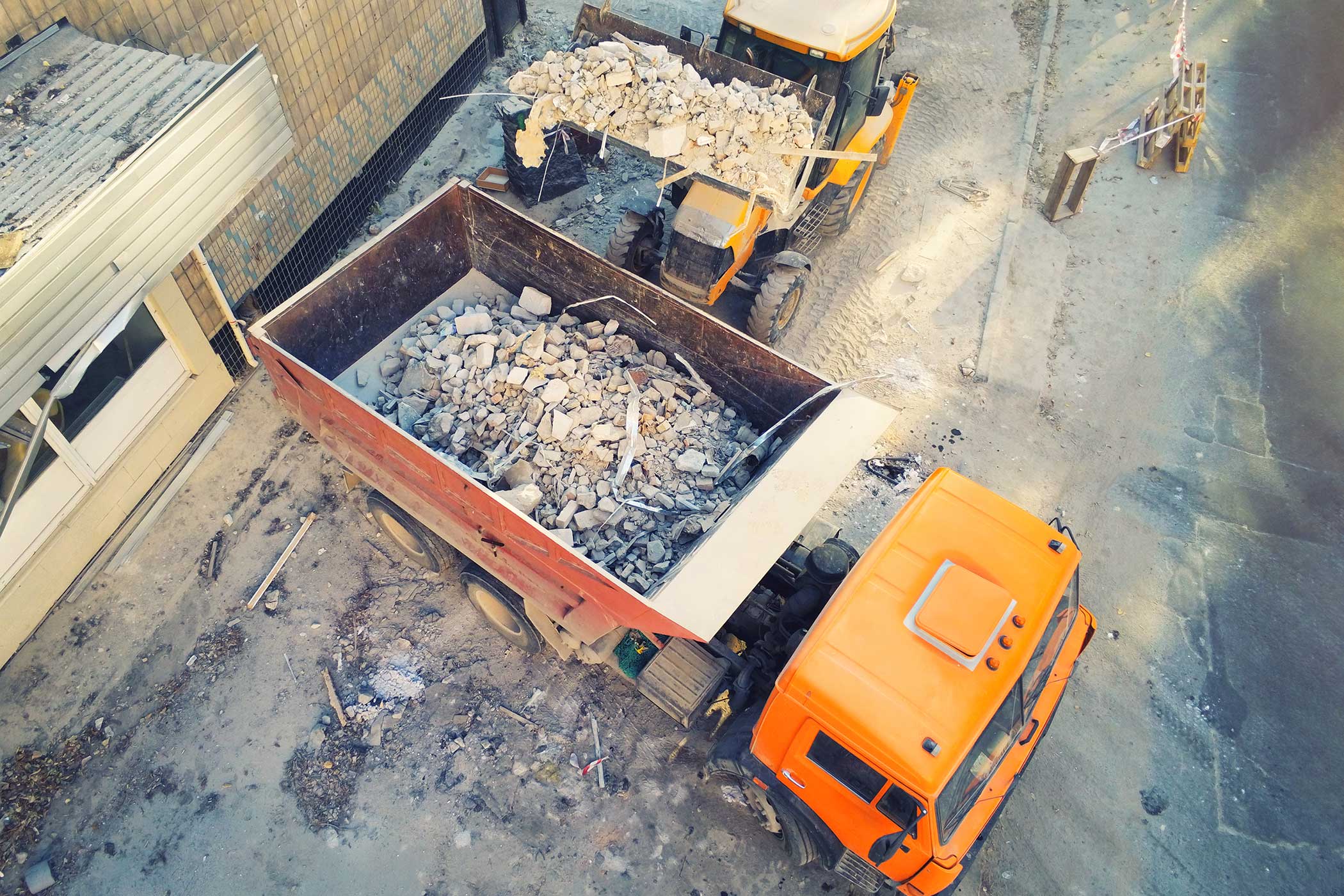
Final cleaning is where a project starts to feel complete. For hardwood floor restoration, our crews focus on the details that affect inspection readiness, occupant comfort, and the way the space presents during turnover.

Specialized hardwood cleaning expertise

Construction residue and adhesive removal

Scratch and scuff restoration

Protective finish preservation

Species-specific treatment protocols

Investment protection and warranty compliance

Showroom-quality final appearance

Frequently Asked Questions

Can you remove construction adhesive from hardwood floors?

Yes, we have specialized techniques and products for removing construction adhesive, tape residue, and other sticky contaminants from hardwood floors. Our methods vary based on adhesive type and floor finish, always prioritizing preservation of the wood and existing coating.

How soon after installation can you clean new hardwood floors?

New hardwood floors should cure for at least 7 days after final finish application before cleaning. We coordinate with flooring contractors to ensure appropriate timing that protects the curing process while addressing construction cleaning needs.

Will your cleaning process remove the floor's protective finish?

Our cleaning process is designed to clean the finish, not remove it. We use pH-balanced, hardwood-specific cleaning agents that preserve polyurethane, oil-based, or water-based finishes while removing construction residue.

Can you fix scratches caused during construction?

Minor surface scratches often respond to our buffing and refinishing processes. Deeper scratches that penetrate the finish may require more extensive repair. We assess each scratch and recommend appropriate treatment, coordinating with flooring professionals when necessary.

Do you work with specific hardwood flooring brands or types?

We restore all types of hardwood flooring including solid hardwood, engineered wood, and bamboo. Our technicians are familiar with major manufacturer specifications and warranty requirements including Shaw, Mohawk, Bruce, and specialty brands.

Ready to Get Started?

Contact us today for a free, no-obligation quote for hardwood floor restoration services in Dallas and surrounding areas.

services planning guide

How to plan hardwood floor restoration for a construction project in Dallas

Post Construction Cleaning Pros uses the following planning framework to help property managers and business owners turn a request for post-construction cleanup and final cleaning into a scope that can be walked, priced, scheduled, and checked. It is designed for practical comparison and does not replace site-specific safety, material, vendor, or regulatory requirements.

Define the Work Before Pricing It

A commercial scope should distinguish appearance cleaning from hygiene work and asset maintenance. Dust removal, disinfection, floor finish care, glass restoration, and debris control solve different problems, use different processes, and often belong on different frequencies. Before pricing hardwood floor restoration, document exclusions as carefully as inclusions. Exterior work, high access, consumable supplies, waste handling, specialty floor restoration, equipment interiors, and event cleanup can be scheduled correctly only when responsibility is explicit. The strongest hardwood floor restoration plan names measurable outcomes rather than relying on broad phrases such as “keep it clean.” Examples include streak-free entry glass, stocked and odor-controlled restrooms, debris-free floor edges, sanitized touchpoints, and completion before a stated opening time. Hardwood Floor Restoration should begin with a written definition of the rooms, surfaces, fixtures, equipment boundaries, and access conditions included in the work. A useful scope separates routine tasks from periodic restoration so the facility manager can see what happens on every visit and what occurs only on a planned cycle.

Build the Schedule Around Operations

For Dallas–Fort Worth properties, travel windows and building access can materially affect the usable service period. A realistic schedule accounts for security handoffs and operating deadlines rather than promising a start time that leaves too little time to finish. Scheduling should be built around operating hours and risk, not around the cleaning company’s convenience. Some construction project environments need a complete after-hours reset, while others benefit from daytime attention to entrances, restrooms, spills, or high-traffic common areas. Recurring hardwood floor restoration should include planned periodic work instead of waiting for visible deterioration. Rotating detail tasks through monthly or quarterly cycles protects floors, fixtures, glass, vents, edges, and other zones that routine visits cannot address completely. Access planning is part of service planning. Keys, badges, alarm procedures, loading access, elevator reservations, escort rules, and locked-room approvals should be confirmed before the first hardwood floor restoration visit so the crew can complete the full scope without improvising.

Make Quality Control Observable

The account review should examine service requests, inspection findings, occupancy changes, supply use, and upcoming facility events. That review keeps the program aligned with the property instead of allowing an old scope to continue after the building changes. Quality control works best when it is tied to the site-specific scope. A supervisor can inspect completion against named rooms and outcomes, record exceptions, assign corrections, and identify patterns that require a change in staffing, tools, or frequency. Consistent crew assignments improve hardwood floor restoration because the team learns access routines, material sensitivities, recurring problem areas, and the expectations of the facility contact. Coverage plans are still necessary for absences so consistency does not depend on one individual. Before-and-after documentation is especially valuable for one-time or restorative hardwood floor restoration. It establishes the starting condition, records the completed result, and helps the facility manager decide whether a recurring maintenance cycle would prevent the same buildup.

Match Methods to Materials and Risk

Surface identification matters because a process that works on one material can damage another. Before hardwood floor restoration, confirm flooring, stone, coated metal, glass treatments, upholstery, painted surfaces, and manufacturer restrictions that affect chemistry or agitation. Consumable supplies deserve their own responsibility list. Soap, paper products, liners, dispensers, batteries, air fresheners, and specialty items may be client supplied, contractor supplied, or billed separately, but the agreement should not leave that question open. Equipment should be selected for the facility rather than for convenience. HEPA filtration, low-moisture extraction, auto-scrubbing, water-fed poles, pressure equipment, or detail tools may be appropriate depending on access, surface, soil, and reopening time. Color-coded cloths, pads, and tools can reduce cross-use between restrooms, food areas, workspaces, and public surfaces. The exact system matters less than having a documented method the crew can follow consistently.

Use the Walkthrough to Build the Scope

Ask department leads or regular occupants where cleaning failures are most visible. Facility managers often know the formal complaints, while daily users can identify recurring issues such as neglected corners, supply shortages, or timing conflicts. Access and safety constraints should be demonstrated, not merely mentioned. Alarm panels, loading doors, restricted areas, waste points, water access, electrical access, and equipment storage can change the labor plan materially. The walkthrough should follow the facility’s traffic pattern from entrances through work areas, restrooms, support rooms, and exits. This reveals where soil enters, where it concentrates, and which tasks must be completed in a particular order. If the requested hardwood floor restoration includes restorative work, identify the difference between a first-service reset and ongoing maintenance. Startup work may require additional labor that should not be hidden inside the recurring visit price.

Put the Service Agreement in Writing

Pricing should state whether it is monthly, per visit, hourly, or project based and should identify the assumptions behind it. Changes in occupied square footage, frequency, access time, or task scope need an agreed method for repricing. Insurance and vendor-document requirements should be confirmed during proposal review rather than after award. If the property requires a certificate, additional insured wording, vendor portal registration, or special access documentation, those steps can affect the startup date. A commercial cleaning agreement should attach or reproduce the approved scope, frequency, service window, periodic task calendar, supply responsibilities, access rules, and communication contacts. The written detail protects both the property and the service team. Cancellation, renewal, and notice terms deserve the same attention as the cleaning checklist. A facility manager comparing proposals should understand the initial term, renewal method, price-review process, and the notice required to change or end service.

Plan for Dallas Facility Conditions

Properties across Dallas–Fort Worth vary widely in access, occupancy, and operating schedule. A downtown office, suburban medical suite, industrial building, retail center, and hospitality property should not receive the same labor plan simply because their square footage is similar. DFW traffic makes realistic arrival windows important, especially when a crew must meet security or elevator access at a fixed time. The plan should protect enough on-site time to complete the work rather than compressing the scope after a delayed handoff. Fast regional growth creates frequent move-ins, renovations, tenant turnovers, and occupancy changes. The cleaning scope should be reviewed when a property changes use instead of assuming the previous tenant’s schedule remains appropriate. A local service plan should account for the property’s immediate environment. Construction nearby, open parking, landscaping, loading activity, and pedestrian traffic can change how quickly dust and debris return after a visit.

Compare Providers on More Than Price

Consider the cost of under-scoping. Persistent complaints, damaged finishes, emergency restoration, staff time spent supervising the vendor, and repeated provider changes can cost more than a properly designed recurring program. Review the proposal for vague language. Terms such as “as needed,” “regularly,” and “periodically” should be converted into frequencies, triggers, or approval rules before the agreement is signed. A pilot or structured startup can be useful when the facility is complex or the current condition is uncertain. Define what will be evaluated, how long the evaluation lasts, and what information determines the permanent scope. When comparing hardwood floor restoration proposals, normalize the scope before comparing price. A lower monthly number may exclude periodic work, supplies, supervision, floor care, or enough labor to complete the stated checklist.

Start, Measure, and Adjust the Program

Periodic tasks should be placed on a calendar at startup. Floor work, carpet extraction, glass detailing, vent cleaning, high dusting, pressure cleaning, and other rotating services are easier to budget when dates are planned. After the first service cycle, compare actual labor and facility condition with the proposal assumptions. If the original scope was inaccurate, adjust it openly rather than expecting quality to survive an unrealistic workload. A stable program still needs review after renovations, staffing growth, seasonal traffic, operating-hour changes, or new equipment. Each change can alter soil load, access, or the time available for hardwood floor restoration. The first visit should not be treated as an ordinary maintenance visit when buildup already exists. Startup cleaning establishes a maintainable baseline and gives the crew a realistic view of the time required for future service.

Bring to the walkthrough

  • Approximate square footage, floor plan, and operating hours
  • Current frequency, known complaints, and priority areas
  • Flooring and surface notes, restricted rooms, and access rules
  • Desired start date, budget constraints, and approval contacts

Expect in a written proposal

  • Task scope by zone and visit frequency
  • Service windows, periodic work, and supply responsibility
  • Quality checks, communication, and correction procedures
  • Pricing assumptions, exclusions, and change-order rules