Post Construction Cleaning Pros

Tile and Grout Deep Cleaning in Dallas, TX

Professional tile and grout deep cleaning for Dallas construction projects. We remove construction haze, grout residue, and embedded dirt to reveal beautiful tile installations.

Tile and Grout Deep Cleaning service being performed in Dallas, TX

Tile and Grout Deep Cleaning Services

Tile installations represent significant design investments in modern construction, from luxury residential bathrooms to commercial lobby floors. Construction activities leave these surfaces covered in grout haze, adhesive residue, and embedded dirt that standard cleaning cannot address. Post Construction Cleaning Pros delivers specialized tile and grout deep cleaning throughout Dallas, TX, restoring tile to its intended beauty.

Construction's Impact on Tile Surfaces

Grout Haze

The fine film of grout residue that remains after installation creates a cloudy appearance on tile surfaces. This haze bonds to tile and requires professional removal for clear, brilliant results.

Adhesive and Sealant Residue

Construction adhesives, silicone sealants, and caulking materials often find their way onto tile surfaces. These materials require specialized solvents and techniques for safe removal.

Embedded Construction Dust

Fine drywall dust, concrete particles, and general construction debris work into grout lines and tile textures, dulling appearance and creating long-term maintenance challenges.

Hard Water and Mineral Deposits

Water used during construction and initial cleaning can leave mineral deposits on tile surfaces, particularly visible on dark or polished tiles.

Our Deep Cleaning Process

Surface Assessment

Our technicians identify tile material, grout type, and existing conditions to determine appropriate cleaning methods. Ceramic, porcelain, natural stone, and glass tiles each require specific approaches.

Dry Soil Removal

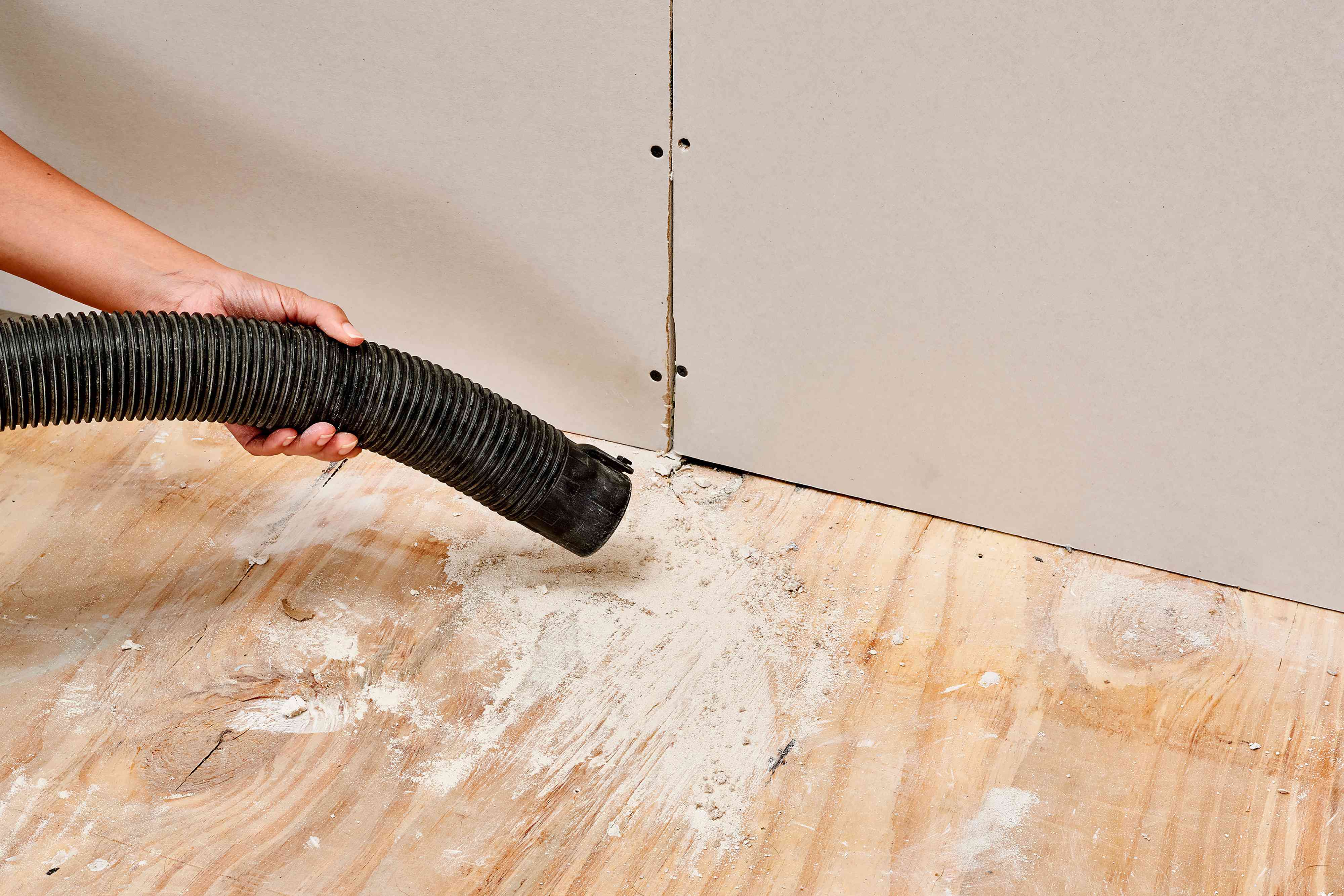
We begin with thorough vacuuming and sweeping to remove loose debris and prevent scratching during wet cleaning phases.

Grout Haze Elimination

Professional-grade grout haze removers dissolve and lift the cloudy residue left from installation. We select products appropriate for your specific tile material to prevent damage.

Deep Grout Cleaning

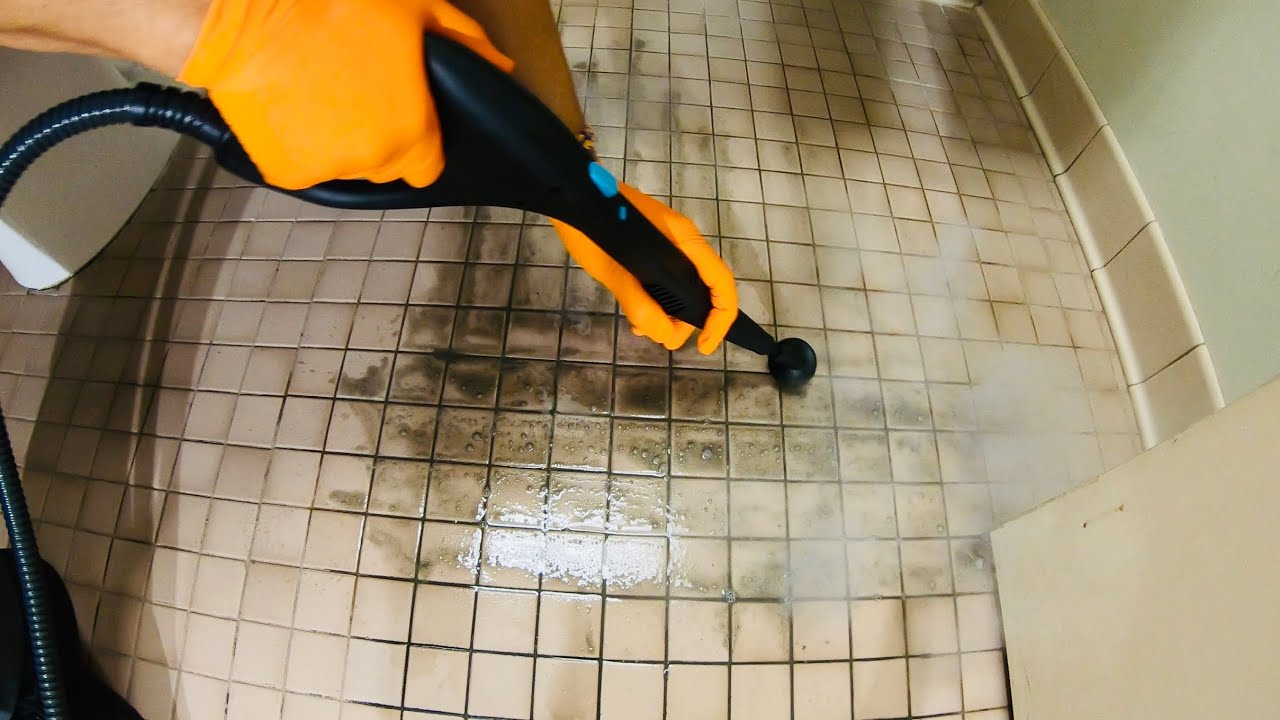
Grout lines receive intensive attention using specialized brushes, steam cleaning, and extraction equipment. This process removes embedded dirt, construction residue, and discoloration.

Tile Surface Restoration

We clean tile faces using appropriate methods for the material—gentle cleaning for natural stone, more aggressive approaches for porcelain and ceramic—removing all construction contamination.

Residue Removal and Rinsing

All cleaning agents are thoroughly rinsed and extracted to prevent residue that could attract future soiling.

Sealing and Protection

Upon request, we apply appropriate sealers to grout lines to protect against staining and simplify future maintenance.

Tile Types We Service

Ceramic Tile

Traditional ceramic tiles in Dallas homes and commercial spaces receive thorough cleaning that addresses glaze characteristics and grout compatibility.

Porcelain Tile

Durable porcelain flooring and wall installations, including large-format and rectified tiles, are cleaned using methods appropriate for their density and finish.

Natural Stone

Marble, travertine, slate, and granite installations receive stone-specific cleaning that preserves natural beauty while removing construction residue.

Glass and Mosaic Tile

Delicate glass tiles and intricate mosaic installations are cleaned with gentle, precise techniques that protect these detailed surfaces.

Quarry and Saltillo Tile

Porous tile materials common in Southwest-influenced Dallas architecture require specialized cleaning and sealing approaches.

Advanced Equipment and Techniques

High-Pressure Steam Cleaning

Commercial steam equipment loosens embedded dirt and sanitizes surfaces without harsh chemicals, ideal for food service and healthcare environments.

Rotary Extraction Machines

Powered scrubbing with simultaneous extraction ensures deep cleaning without oversaturating floors or leaving residue.

Specialized Brushing Systems

Grout lines receive targeted cleaning with brushes designed to agitate and extract dirt without damaging grout or adjacent tile.

pH-Specific Chemistry

We use cleaning agents matched to tile and grout materials—alkaline cleaners for grease and organic soil, acidic products for mineral deposits, neutral cleaners for routine maintenance.

Dallas Construction Applications

Luxury Residential

High-end Dallas homes feature extensive tile in kitchens, bathrooms, and living areas that demand meticulous restoration before owner occupancy.

Commercial Buildings

Office lobbies, corridors, and restroom facilities require efficient, thorough cleaning that supports professional image and maintenance programs.

Healthcare Facilities

Medical construction projects demand cleaning protocols that support infection control and meet regulatory requirements for healthcare environments.

Hospitality Properties

Hotels and restaurants throughout Dallas require tile cleaning that maintains brand standards and supports health inspection requirements.

Multi-Family Housing

Apartment and condominium projects benefit from efficient tile cleaning that supports quick unit turnover and tenant satisfaction.

Long-Term Value Protection

Professional tile and grout cleaning after construction provides lasting benefits:

  • Prevents permanent staining from construction materials
  • Establishes proper appearance for client handover
  • Creates foundation for effective ongoing maintenance
  • Protects grout from premature deterioration
  • Maintains manufacturer warranty compliance

Service Area

We provide tile and grout deep cleaning throughout Dallas and surrounding communities including Arlington, Garland, Mesquite, Irving, Grand Prairie, Lewisville, McKinney, Plano, Carrollton, Frisco, Denton, and Richardson.

Contact Post Construction Cleaning Pros for professional tile and grout deep cleaning. Our specialized equipment and trained technicians ensure your Dallas project's tile installations are showcased at their best.

Removing Construction Residue From Tile Assemblies

Tile and grout collect construction residue in ways that are easy to miss until the lights are on. Grout haze, mortar dust, adhesive film, paint specks, and tracked-in soil can sit in texture, edges, corners, and transitions. A basic mop usually leaves that residue behind.

We clean tile and grout with attention to the installation type and the surrounding finishes. Restrooms, lobbies, kitchens, corridors, showers, and entry areas each need a slightly different approach. By addressing the lines, edges, fixtures, and floor transitions, we help the tile read as new rather than recently installed.

Why This Service Matters After Construction

Final cleaning is where a project starts to feel complete. For tile and grout deep cleaning, our crews focus on the details that affect inspection readiness, occupant comfort, and the way the space presents during turnover.

Complete grout haze removal

Deep extraction of embedded dirt

Material-specific cleaning protocols

Grout sealing and protection available

Sanitization and allergen reduction

Enhanced appearance and longevity

Proper foundation for maintenance

Frequently Asked Questions

How do you remove grout haze from new tile?

Grout haze removal requires specialized acidic or alkaline cleaners depending on tile type and grout composition. We apply professional-grade haze removers, allow appropriate dwell time, and agitate with soft brushes before thorough rinsing. The process varies based on whether we're cleaning ceramic, porcelain, natural stone, or glass tile.

Can you clean natural stone tile the same as ceramic?

Natural stone requires different cleaning approaches than ceramic or porcelain. Stone is porous and can be etched by acidic cleaners that work well on ceramic. We use stone-specific, pH-neutral cleaners and gentler agitation methods for marble, travertine, granite, and other natural materials.

How long should we wait after tile installation before cleaning?

Grout should cure for at least 48-72 hours before heavy cleaning. We typically schedule tile cleaning near the end of construction when other trades are complete, allowing adequate grout curing time while addressing construction residue before occupancy.

Do you seal grout after cleaning?

Yes, we offer grout sealing as an additional service. Sealing protects grout from staining and makes future maintenance easier. We recommend sealing for all grout installations, particularly in kitchens, bathrooms, and high-traffic areas.

Will deep cleaning damage my new tile?

Professional deep cleaning, when performed by trained technicians using appropriate products and equipment, will not damage tile. We assess each installation and select methods appropriate for the specific tile material, glaze, and installation conditions.

Ready to Get Started?

Contact us today for a free, no-obligation quote for tile and grout deep cleaning services in Dallas and surrounding areas.

services planning guide

How to plan tile and grout deep cleaning for a construction project in Dallas

Post Construction Cleaning Pros uses the following planning framework to help property managers and business owners turn a request for post-construction cleanup and final cleaning into a scope that can be walked, priced, scheduled, and checked. It is designed for practical comparison and does not replace site-specific safety, material, vendor, or regulatory requirements.

Define the Work Before Pricing It

For multi-tenant or mixed-use properties, tile and grout deep cleaning should be divided by responsibility zone. Common areas, tenant suites, back-of-house spaces, loading areas, public restrooms, and restricted rooms can then receive schedules and approval rules that match their actual use. The strongest tile and grout deep cleaning plan names measurable outcomes rather than relying on broad phrases such as “keep it clean.” Examples include streak-free entry glass, stocked and odor-controlled restrooms, debris-free floor edges, sanitized touchpoints, and completion before a stated opening time. A walkthrough for tile and grout deep cleaning is most productive when the decision-maker identifies the spaces that create complaints, the areas that carry the most traffic, and the tasks the current program misses. Those observations turn a generic checklist into a practical scope tied to the way the property is actually used. Before pricing tile and grout deep cleaning, document exclusions as carefully as inclusions. Exterior work, high access, consumable supplies, waste handling, specialty floor restoration, equipment interiors, and event cleanup can be scheduled correctly only when responsibility is explicit.

Build the Schedule Around Operations

Daytime and after-hours service solve different operational problems. Day porter coverage manages visible conditions while people are present; after-hours crews complete disruptive or time-intensive tasks when work areas can be accessed safely and thoroughly. Recurring tile and grout deep cleaning should include planned periodic work instead of waiting for visible deterioration. Rotating detail tasks through monthly or quarterly cycles protects floors, fixtures, glass, vents, edges, and other zones that routine visits cannot address completely. Scheduling should be built around operating hours and risk, not around the cleaning company’s convenience. Some construction project environments need a complete after-hours reset, while others benefit from daytime attention to entrances, restrooms, spills, or high-traffic common areas. A nightly, daily, weekly, or project schedule changes more than visit frequency. It changes how much soil accumulates between visits, which tools are appropriate, how long each visit takes, and whether periodic deep work must be layered into the agreement.

Make Quality Control Observable

Before-and-after documentation is especially valuable for one-time or restorative tile and grout deep cleaning. It establishes the starting condition, records the completed result, and helps the facility manager decide whether a recurring maintenance cycle would prevent the same buildup. A quality program should explain how corrections are handled. The facility contact needs a clear response path, a reasonable correction window, and confirmation when the issue is closed rather than a vague assurance that someone will look into it. Quality control works best when it is tied to the site-specific scope. A supervisor can inspect completion against named rooms and outcomes, record exceptions, assign corrections, and identify patterns that require a change in staffing, tools, or frequency. The account review should examine service requests, inspection findings, occupancy changes, supply use, and upcoming facility events. That review keeps the program aligned with the property instead of allowing an old scope to continue after the building changes.

Match Methods to Materials and Risk

Color-coded cloths, pads, and tools can reduce cross-use between restrooms, food areas, workspaces, and public surfaces. The exact system matters less than having a documented method the crew can follow consistently. Surface identification matters because a process that works on one material can damage another. Before tile and grout deep cleaning, confirm flooring, stone, coated metal, glass treatments, upholstery, painted surfaces, and manufacturer restrictions that affect chemistry or agitation. For sensitive or newly installed materials, a small test area can prevent expensive mistakes. The service plan should identify who approves the test result before broader cleaning or restoration proceeds. Product selection should match the task and the occupied environment. Cleaning, degreasing, disinfecting, descaling, and finishing are different functions; using one product for every surface can leave residue, reduce effectiveness, or shorten asset life.

Use the Walkthrough to Build the Scope

The walkthrough should follow the facility’s traffic pattern from entrances through work areas, restrooms, support rooms, and exits. This reveals where soil enters, where it concentrates, and which tasks must be completed in a particular order. Discuss current service honestly during the walkthrough. What works should be preserved, what fails should be corrected, and any unrealistic expectation should be resolved before it becomes a recurring dispute after startup. For larger properties, divide the walkthrough into zones and record the floor type, use, occupancy, and desired frequency for each. This produces a proposal that can be adjusted by zone without rewriting the entire program. Bring a current floor plan, operating schedule, and list of known problem areas to the walkthrough. These details help Post Construction Cleaning Pros organize tile and grout deep cleaning around actual conditions instead of estimating from square footage and a short phone description.

Put the Service Agreement in Writing

The agreement should explain how additional work is approved. Emergency cleanup, event service, construction dust, floor restoration, and extra porter coverage should not be performed or billed through an informal request that no one can later verify. Cancellation, renewal, and notice terms deserve the same attention as the cleaning checklist. A facility manager comparing proposals should understand the initial term, renewal method, price-review process, and the notice required to change or end service. Insurance and vendor-document requirements should be confirmed during proposal review rather than after award. If the property requires a certificate, additional insured wording, vendor portal registration, or special access documentation, those steps can affect the startup date. Service-level expectations should be realistic and observable. A promise of “perfect cleaning” is less useful than response times, inspection routines, named completion outcomes, and an escalation process for repeated deficiencies.

Plan for Dallas Facility Conditions

Fast regional growth creates frequent move-ins, renovations, tenant turnovers, and occupancy changes. The cleaning scope should be reviewed when a property changes use instead of assuming the previous tenant’s schedule remains appropriate. A local service plan should account for the property’s immediate environment. Construction nearby, open parking, landscaping, loading activity, and pedestrian traffic can change how quickly dust and debris return after a visit. Dallas facilities contend with long cooling seasons, tracked-in dust, pollen, severe-weather debris, and rapid development activity. Those conditions can influence entry cleaning, high dusting, floor care, glass maintenance, and the timing of periodic deep work. DFW traffic makes realistic arrival windows important, especially when a crew must meet security or elevator access at a fixed time. The plan should protect enough on-site time to complete the work rather than compressing the scope after a delayed handoff.

Compare Providers on More Than Price

A pilot or structured startup can be useful when the facility is complex or the current condition is uncertain. Define what will be evaluated, how long the evaluation lasts, and what information determines the permanent scope. Evaluate communication alongside cleaning technique. A facility manager needs timely updates, a named account contact, documented service requests, and a reliable process for resolving issues without repeatedly explaining the account. Review the proposal for vague language. Terms such as “as needed,” “regularly,” and “periodically” should be converted into frequencies, triggers, or approval rules before the agreement is signed. The final decision should align service frequency with the facility’s real use. Buying fewer visits than the property needs creates visible decline; buying unnecessary frequency wastes budget that could be directed to periodic or high-priority work.

Start, Measure, and Adjust the Program

Closeout reporting should match the account’s complexity. A small property may need simple completion confirmation; a larger or specialized account may need inspection notes, issue photographs, supply alerts, and a record of periodic tasks. Task sequencing affects results. High dusting should precede lower-surface cleaning, dry soil removal should precede wet work, and areas with restricted reopening times should be completed early enough to dry or ventilate. Periodic tasks should be placed on a calendar at startup. Floor work, carpet extraction, glass detailing, vent cleaning, high dusting, pressure cleaning, and other rotating services are easier to budget when dates are planned. The first visit should not be treated as an ordinary maintenance visit when buildup already exists. Startup cleaning establishes a maintainable baseline and gives the crew a realistic view of the time required for future service.

Bring to the walkthrough

  • Approximate square footage, floor plan, and operating hours
  • Current frequency, known complaints, and priority areas
  • Flooring and surface notes, restricted rooms, and access rules
  • Desired start date, budget constraints, and approval contacts

Expect in a written proposal

  • Task scope by zone and visit frequency
  • Service windows, periodic work, and supply responsibility
  • Quality checks, communication, and correction procedures
  • Pricing assumptions, exclusions, and change-order rules