Post Construction Cleaning Pros

HVAC Duct Cleaning in Dallas, TX

Professional HVAC duct cleaning services for Dallas construction projects. We remove construction dust and debris from ductwork to ensure clean air delivery and system efficiency.

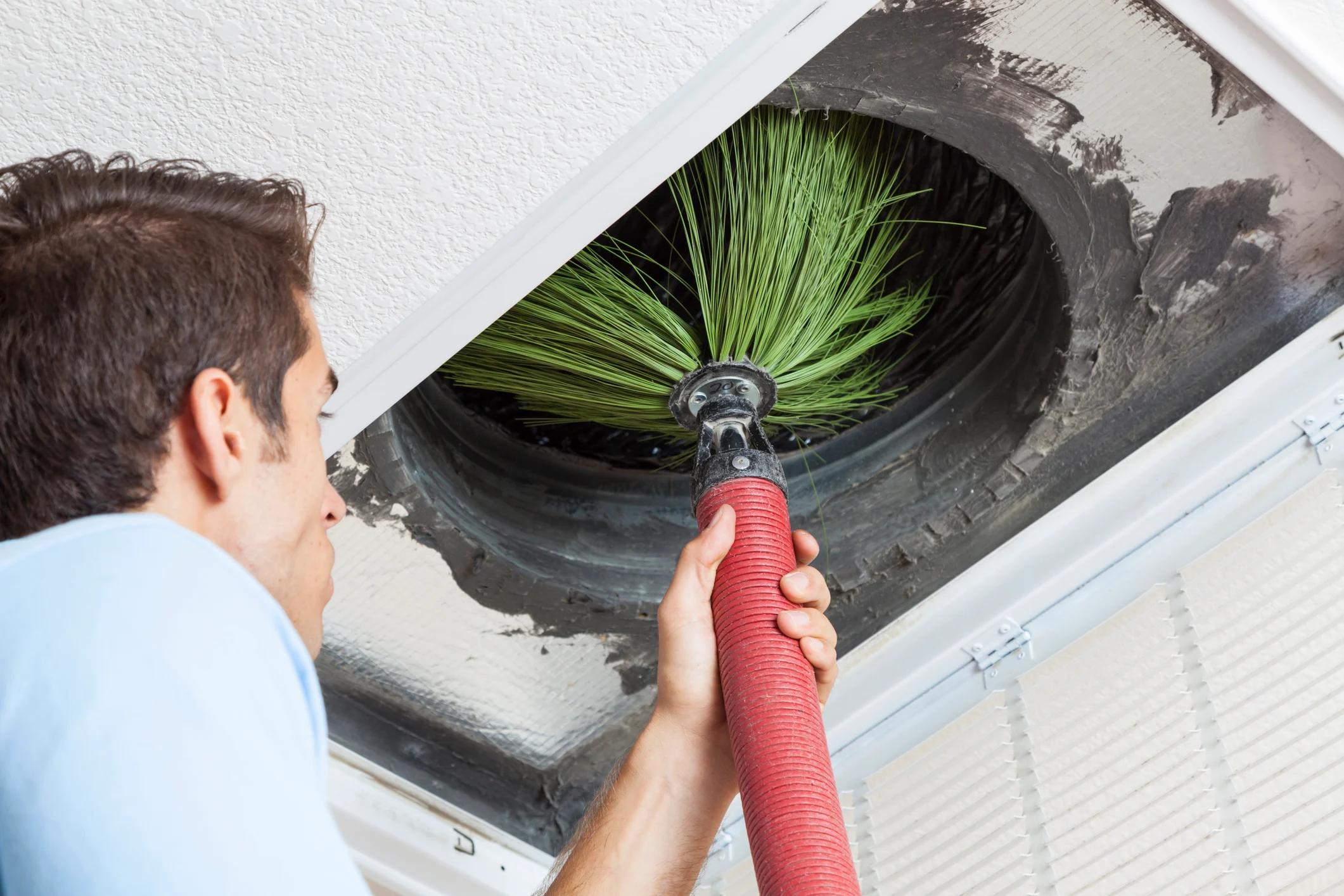
HVAC Duct Cleaning service being performed in Dallas, TX

Professional HVAC Duct Cleaning Services

Construction generates extraordinary amounts of dust and debris that inevitably find their way into HVAC systems. Drywall dust, insulation particles, sawdust, and general construction debris accumulate in ductwork during building, compromising air quality and system efficiency from day one. Post Construction Cleaning Pros provides specialized HVAC duct cleaning throughout Dallas, TX, ensuring clean air delivery for your completed projects.

Construction's Impact on HVAC Systems

Duct Contamination Sources

During construction, HVAC systems—even when protected—accumulate significant contamination:

  • Drywall dust penetrates return air pathways
  • Sawdust and wood particles enter supply registers
  • Insulation fibers distribute throughout ductwork
  • Concrete and masonry dust settles in low-velocity sections
  • Packaging materials and debris enter through openings

System Performance Effects

Construction debris in ductwork creates multiple problems:

  • Reduced airflow decreases heating and cooling efficiency
  • Dust on coils insulates and reduces heat transfer
  • Debris in motors and bearings causes premature wear
  • Contaminated filters require frequent replacement
  • Uneven air distribution creates comfort complaints

Air Quality Concerns

Dallas's hot climate demands extensive air conditioning use, circulating any duct contamination throughout occupied spaces. Construction dust can trigger respiratory irritation, allergic responses, and ongoing indoor air quality complaints.

Our Duct Cleaning Process

System Assessment

Our technicians evaluate HVAC configuration, ductwork condition, and contamination extent. We document system layout and identify access points for thorough cleaning.

Protection and Containment

We seal supply and return registers to create negative pressure within the duct system. This containment prevents debris redistribution during cleaning.

Mechanical Agitation

Powered brushing systems, compressed air tools, and specialized agitation devices dislodge debris from duct walls. We navigate the entire duct network to address all contamination.

High-Powered Extraction

Industrial vacuum systems with substantial CFM capacity simultaneously extract dislodged debris. Our equipment captures particles down to microscopic sizes, preventing redistribution.

Component Cleaning

Accessible components including coils, blower assemblies, and filter housings receive detailed cleaning to ensure complete system restoration.

Filter Replacement

We replace filters with high-quality pleated media appropriate for your system specifications, providing a clean starting point for operation.

Verification and Documentation

Visual inspection through access ports confirms cleaning effectiveness. We provide documentation of completed work for inspection records and client information.

Duct Types and Systems

Residential Ductwork

Flexible duct, metal duct, and ductboard systems in Dallas homes receive appropriate cleaning methods matched to material type and construction.

Commercial Systems

Large-scale commercial installations including VAV boxes, mixing boxes, and extensive trunk lines are cleaned using commercial-grade equipment and protocols.

Industrial Applications

Manufacturing and warehouse facilities with heavy-duty ductwork receive cleaning appropriate to industrial contamination levels and operational requirements.

High-Efficiency Systems

Modern high-velocity, mini-duct, and zoned systems require specialized cleaning approaches that preserve system design and efficiency characteristics.

Advanced Equipment and Techniques

Video Inspection Systems

Camera equipment allows visual assessment of internal duct conditions before and after cleaning, ensuring thoroughness and providing documentation.

Rotary Brush Systems

Powered brushing units navigate ductwork, contacting all surfaces to dislodge adhered debris that vacuum suction alone cannot remove.

Compressed Air Tools

Controlled air pressure with simultaneous extraction cleans intricate areas and pushes debris toward collection points.

HEPA Collection Systems

All extracted debris passes through HEPA filtration before exhaust, preventing environmental contamination and ensuring true particle removal.

Dallas Climate and Construction Considerations

High-Volume AC Usage

Dallas's hot, humid summers create extended air conditioning seasons. Clean ductwork is essential for efficient operation during months of continuous use.

Dust and Allergen Management

Dallas's dust-prone environment combined with construction debris creates significant allergen loads. Professional duct cleaning addresses both sources.

Energy Efficiency Priorities

With Dallas summers demanding constant cooling, system efficiency directly impacts operating costs. Clean ductwork supports optimal heat transfer and airflow.

Commercial Building Standards

Dallas's extensive commercial construction requires cleaning protocols that meet tenant expectations and property management standards for Class A office space.

Service Applications

New Construction

Final cleaning of new HVAC systems removes construction contamination before occupancy, establishing optimal air quality from day one.

Renovation Projects

Systems in renovated spaces benefit from cleaning that removes debris generated by construction activities and addresses pre-existing contamination.

Post-Remediation

Following water damage, mold remediation, or fire restoration, duct cleaning removes residual contamination and prepares systems for return to service.

Preventive Maintenance

Commercial facilities benefit from periodic duct cleaning that maintains air quality and system efficiency throughout building lifecycle.

Code and Standard Compliance

Our work adheres to industry standards including:

  • NADCA (National Air Duct Cleaners Association) standards
  • EPA guidelines for duct cleaning
  • OSHA safety protocols
  • Texas environmental regulations
  • Dallas building code requirements

Service Coverage

We provide HVAC duct cleaning throughout Dallas and surrounding communities including Arlington, Garland, Mesquite, Irving, Grand Prairie, Lewisville, McKinney, Plano, Carrollton, Frisco, Denton, and Richardson.

Contact Post Construction Cleaning Pros for professional HVAC duct cleaning. Our specialized equipment and trained technicians ensure your Dallas project's air delivery systems are clean, efficient, and ready for occupancy.

Airflow Matters After Dust-Producing Work

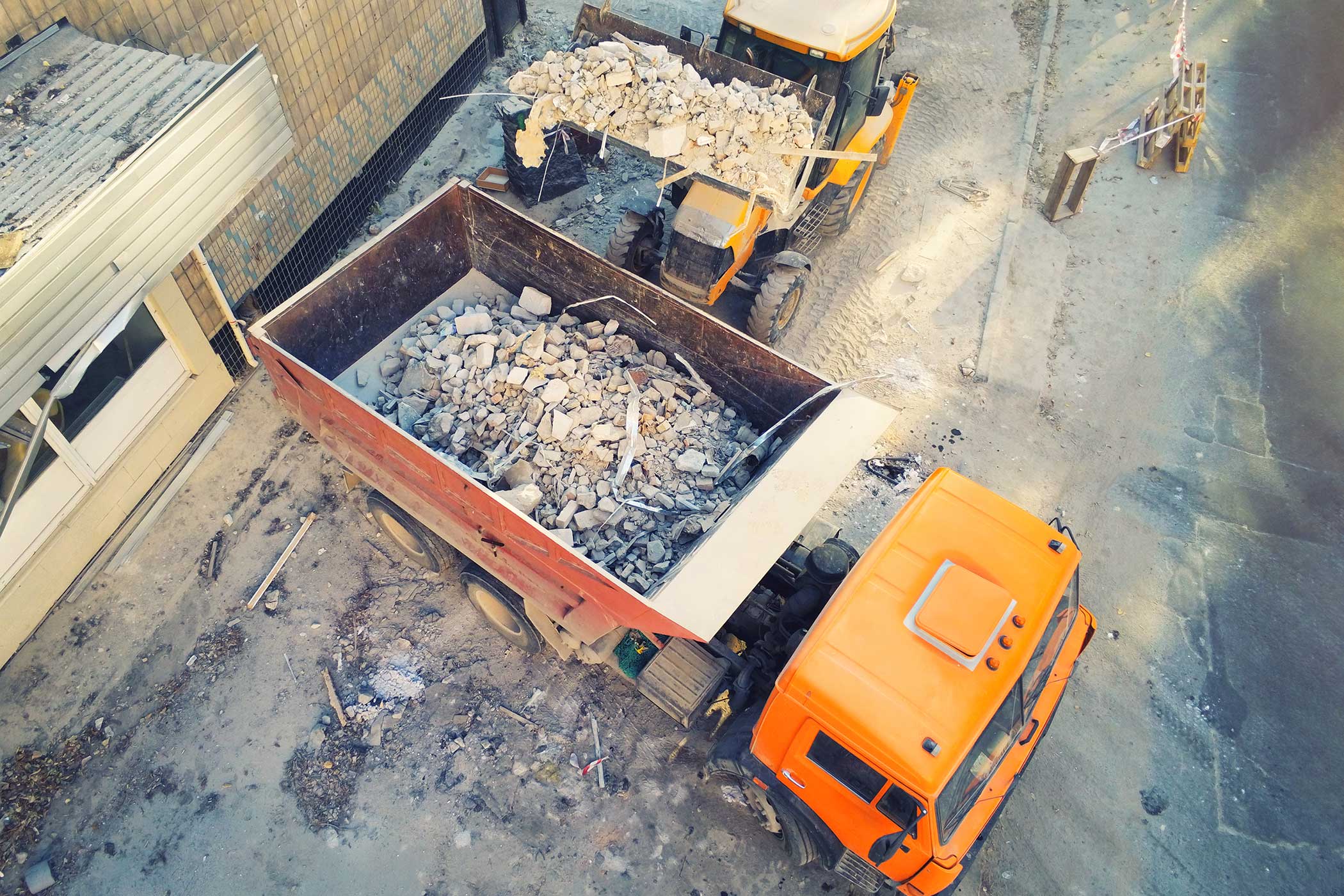
Construction dust does not stay on floors. It enters returns, settles on registers, collects near filters, and can move through a space after the visible cleaning is complete. HVAC duct cleaning is especially valuable after drywall sanding, demolition, flooring work, millwork cutting, or long renovation phases.

We look at the condition of accessible ductwork, registers, grilles, and filters so the system starts cleaner when the building becomes occupied. For Dallas homes, offices, medical suites, and tenant improvements, this step helps reduce the dusty smell and recurring film that often shows up after construction.
Why This Service Matters After Construction

Final cleaning is where a project starts to feel complete. For hvac duct cleaning, our crews focus on the details that affect inspection readiness, occupant comfort, and the way the space presents during turnover.

Complete construction debris removal from ductwork

Improved indoor air quality

Enhanced HVAC system efficiency

Extended equipment lifespan

Reduced maintenance requirements

NADCA-compliant cleaning protocols

Documentation for inspection records

Frequently Asked Questions

Is HVAC duct cleaning necessary after new construction?

Yes, construction generates significant dust and debris that enters ductwork even when systems are protected. Professional cleaning removes this contamination before occupancy, ensuring clean air delivery and optimal system performance from the start.

How long does HVAC duct cleaning take?

Residential systems typically require 3-5 hours for complete cleaning. Commercial systems vary based on size and complexity, ranging from a single day for small offices to multiple days for large facilities. We provide specific time estimates during our assessment.

Will duct cleaning damage my new HVAC system?

Professional duct cleaning performed by trained technicians using appropriate equipment will not damage HVAC systems. We use methods and tools specifically designed for ductwork cleaning that remove debris without harming components.

How do you access all areas of the ductwork?

We use existing access panels where available and create temporary access points where necessary. Our equipment—including long-reach tools, flexible shafts, and camera systems—allows us to navigate complex duct configurations and clean all accessible areas.

Can duct cleaning improve energy efficiency?

Yes, clean ductwork supports optimal airflow and heat transfer. Removing debris from coils and blower components allows systems to operate at designed efficiency. Clean filters and unrestricted airflow reduce the energy required to heat and cool spaces.

Ready to Get Started?

Contact us today for a free, no-obligation quote for hvac duct cleaning services in Dallas and surrounding areas.

services planning guide

How to plan hvac duct cleaning for a construction project in Dallas

Post Construction Cleaning Pros uses the following planning framework to help property managers and business owners turn a request for post-construction cleanup and final cleaning into a scope that can be walked, priced, scheduled, and checked. It is designed for practical comparison and does not replace site-specific safety, material, vendor, or regulatory requirements.

Define the Work Before Pricing It

Square footage alone does not define the effort required for hvac duct cleaning. Occupancy, floor materials, restroom count, food or production activity, security procedures, furniture density, and the time available between closing and reopening all affect labor and equipment planning. Change orders are easier to avoid when the initial hvac duct cleaning proposal records current conditions. Photographs, floor-type notes, access limitations, and known buildup give both sides a shared baseline for deciding what belongs in startup work and what belongs in recurring maintenance. The strongest hvac duct cleaning plan names measurable outcomes rather than relying on broad phrases such as “keep it clean.” Examples include streak-free entry glass, stocked and odor-controlled restrooms, debris-free floor edges, sanitized touchpoints, and completion before a stated opening time. For multi-tenant or mixed-use properties, hvac duct cleaning should be divided by responsibility zone. Common areas, tenant suites, back-of-house spaces, loading areas, public restrooms, and restricted rooms can then receive schedules and approval rules that match their actual use.

Build the Schedule Around Operations

A nightly, daily, weekly, or project schedule changes more than visit frequency. It changes how much soil accumulates between visits, which tools are appropriate, how long each visit takes, and whether periodic deep work must be layered into the agreement. A dependable plan includes a method for reporting schedule changes. The facility contact should know whom to notify, how much lead time is needed, and how missed or added visits affect the monthly program before an urgent request arises. Scheduling should be built around operating hours and risk, not around the cleaning company’s convenience. Some construction project environments need a complete after-hours reset, while others benefit from daytime attention to entrances, restrooms, spills, or high-traffic common areas. Daytime and after-hours service solve different operational problems. Day porter coverage manages visible conditions while people are present; after-hours crews complete disruptive or time-intensive tasks when work areas can be accessed safely and thoroughly.

Make Quality Control Observable

A single complaint channel prevents service issues from disappearing between building occupants, property management, and the cleaning crew. Requests should be logged with the location, task, urgency, and desired completion time so the response can be verified. Useful performance conversations separate an isolated miss from a recurring process failure. One unemptied bin requires correction; repeated misses in the same wing may indicate unclear zoning, inadequate time, or a checklist that does not match the building. Before-and-after documentation is especially valuable for one-time or restorative hvac duct cleaning. It establishes the starting condition, records the completed result, and helps the facility manager decide whether a recurring maintenance cycle would prevent the same buildup. Inspection frequency should reflect the complexity of the account. A small weekly office may need periodic supervisory review, while a high-traffic or regulated environment may require documented checks several times each week.

Match Methods to Materials and Risk

Consumable supplies deserve their own responsibility list. Soap, paper products, liners, dispensers, batteries, air fresheners, and specialty items may be client supplied, contractor supplied, or billed separately, but the agreement should not leave that question open. Color-coded cloths, pads, and tools can reduce cross-use between restrooms, food areas, workspaces, and public surfaces. The exact system matters less than having a documented method the crew can follow consistently. A material-safety discussion should include storage and labeling. Facility contacts should know where products and equipment will be kept, which rooms remain accessible to occupants, and how spills or damaged containers are reported. Surface identification matters because a process that works on one material can damage another. Before hvac duct cleaning, confirm flooring, stone, coated metal, glass treatments, upholstery, painted surfaces, and manufacturer restrictions that affect chemistry or agitation.

Use the Walkthrough to Build the Scope

A useful walkthrough ends with next steps: who will receive the written scope, who can approve revisions, whether a second technical visit is required, and what information is still needed before pricing is final. Bring a current floor plan, operating schedule, and list of known problem areas to the walkthrough. These details help Post Construction Cleaning Pros organize hvac duct cleaning around actual conditions instead of estimating from square footage and a short phone description. Discuss current service honestly during the walkthrough. What works should be preserved, what fails should be corrected, and any unrealistic expectation should be resolved before it becomes a recurring dispute after startup. Access and safety constraints should be demonstrated, not merely mentioned. Alarm panels, loading doors, restricted areas, waste points, water access, electrical access, and equipment storage can change the labor plan materially.

Put the Service Agreement in Writing

The agreement should state how holidays, weather closures, and client-requested skips are handled. These events affect visit counts and staffing, and the billing treatment should be clear before the first calendar exception. A commercial cleaning agreement should attach or reproduce the approved scope, frequency, service window, periodic task calendar, supply responsibilities, access rules, and communication contacts. The written detail protects both the property and the service team. A structured startup period gives both sides a chance to refine the scope. Early inspections and a scheduled review after the first few visits can resolve workload assumptions before they become embedded in a long-term program. Cancellation, renewal, and notice terms deserve the same attention as the cleaning checklist. A facility manager comparing proposals should understand the initial term, renewal method, price-review process, and the notice required to change or end service.

Plan for Dallas Facility Conditions

Commercial properties in the region frequently combine offices, warehouses, showrooms, food service, or public-facing areas under one address. Zoning the scope by use keeps the cleaning method appropriate for each part of the building. Properties across Dallas–Fort Worth vary widely in access, occupancy, and operating schedule. A downtown office, suburban medical suite, industrial building, retail center, and hospitality property should not receive the same labor plan simply because their square footage is similar. Fast regional growth creates frequent move-ins, renovations, tenant turnovers, and occupancy changes. The cleaning scope should be reviewed when a property changes use instead of assuming the previous tenant’s schedule remains appropriate. A local service plan should account for the property’s immediate environment. Construction nearby, open parking, landscaping, loading activity, and pedestrian traffic can change how quickly dust and debris return after a visit.

Compare Providers on More Than Price

References are most useful when the compared account resembles the property in size, use, and schedule. A successful small office account does not by itself demonstrate the systems needed for a large, high-traffic, or specialized facility. The final decision should align service frequency with the facility’s real use. Buying fewer visits than the property needs creates visible decline; buying unnecessary frequency wastes budget that could be directed to periodic or high-priority work. Ask each provider to explain staffing assumptions, visit length, supervision, equipment, and the process for covering absences. The answer reveals whether the proposal is an operating plan or simply a price attached to a task list. A pilot or structured startup can be useful when the facility is complex or the current condition is uncertain. Define what will be evaluated, how long the evaluation lasts, and what information determines the permanent scope.

Start, Measure, and Adjust the Program

The crew should record conditions outside the approved scope rather than quietly ignoring them or performing unapproved work. Photos and concise notes allow the facility manager to decide whether a separate service is warranted. Crew orientation should cover the approved scope, building access, material cautions, waste handling, supply storage, security, and the communication path for exceptions. Written information is more dependable than verbal instructions passed between shifts. After the first service cycle, compare actual labor and facility condition with the proposal assumptions. If the original scope was inaccurate, adjust it openly rather than expecting quality to survive an unrealistic workload. Closeout reporting should match the account’s complexity. A small property may need simple completion confirmation; a larger or specialized account may need inspection notes, issue photographs, supply alerts, and a record of periodic tasks.

Bring to the walkthrough

  • Approximate square footage, floor plan, and operating hours
  • Current frequency, known complaints, and priority areas
  • Flooring and surface notes, restricted rooms, and access rules
  • Desired start date, budget constraints, and approval contacts

Expect in a written proposal

  • Task scope by zone and visit frequency
  • Service windows, periodic work, and supply responsibility
  • Quality checks, communication, and correction procedures
  • Pricing assumptions, exclusions, and change-order rules