Post Construction Cleaning Pros

Concrete Floor Degreasing in Dallas, TX

Professional concrete floor degreasing and cleaning services in Dallas, TX. We remove oil, grease, and construction residue to restore concrete surfaces.

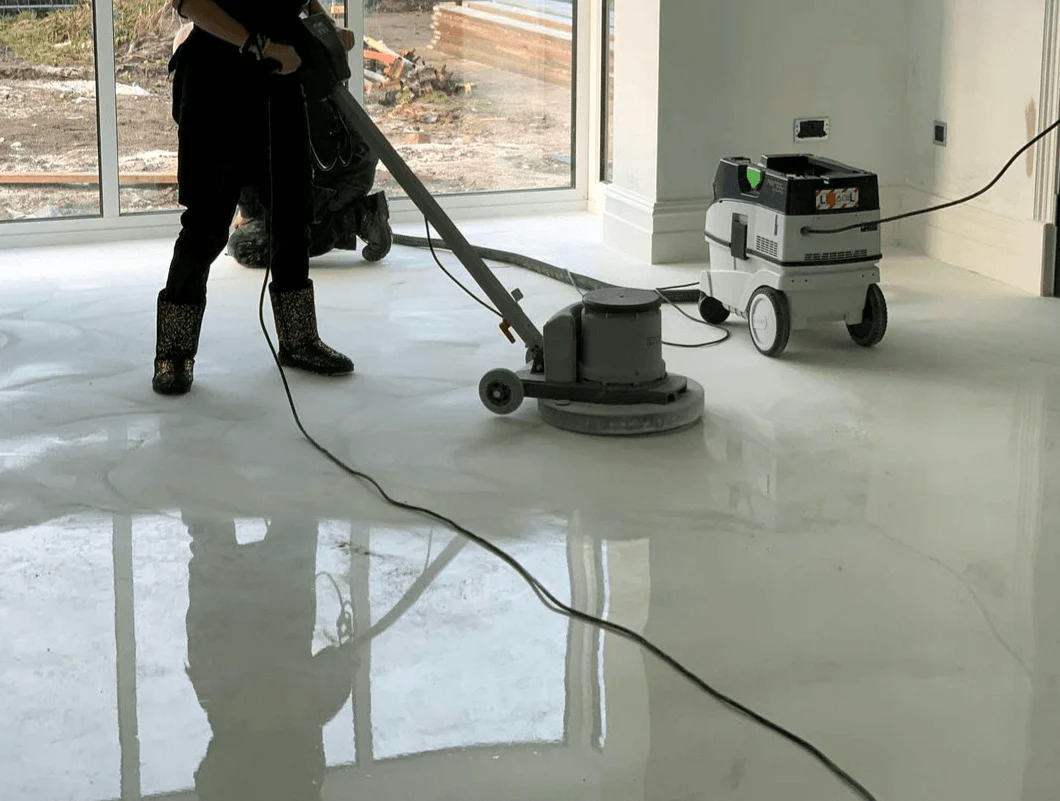
Concrete Floor Degreasing service being performed in Dallas, TX

Concrete Floor Degreasing Services

Concrete floors in construction projects accumulate oils, grease, and stubborn residue from equipment, vehicles, and construction activities. These contaminants create safety hazards, aesthetic problems, and can damage concrete if not properly addressed. Post Construction Cleaning Pros provides professional concrete floor degreasing throughout Dallas, TX, restoring concrete surfaces to clean, safe condition.

Construction's Impact on Concrete Floors

Common Concrete Contamination

Construction activities leave various residues on concrete:

  • Equipment and vehicle fluids including oil and hydraulic fluid
  • Diesel and gasoline spills from construction vehicles
  • Grease and lubricants from machinery
  • Adhesive and sealant residue from flooring installation
  • Mortar and grout splatter from masonry work
  • Paint and coating overspray
  • Rust stains from steel components
  • Tire marks from heavy equipment

Safety Concerns

Oily, greasy concrete presents serious hazards:

  • Slip and fall risks for workers and occupants
  • Reduced traction for vehicles and equipment
  • Tracking of contaminants into finished areas
  • Potential fire hazards from accumulated oils

Aesthetic Impact

Stained, dirty concrete detracts from professional appearance:

  • Unsightly appearance in commercial and retail spaces
  • Reduced reflectivity in polished concrete floors
  • Dulling of decorative concrete finishes
  • Discoloration affecting design intent

Long-Term Damage

Unaddressed contamination causes permanent issues:

  • Oil penetration stains concrete permanently
  • Chemical residue can etch or degrade concrete
  • Tracked contaminants damage finished flooring
  • Accumulated grime accelerates wear

Our Degreasing Process

Site Assessment

We evaluate concrete condition, contamination type and extent, and flooring treatments to determine appropriate cleaning methods.

Dry Preparation

Loose debris is removed through sweeping and vacuuming to prepare surfaces for chemical treatment.

Degreaser Application

Professional-grade degreasing agents are applied to break down oil and grease bonds with concrete. Product selection matches contamination type and concrete characteristics.

Dwell Time

Degreasers are allowed appropriate contact time to penetrate and emulsify oily residue.

Agitation

Mechanical brushing or scrubbing works cleaning agents into porous concrete surfaces and loosens stubborn contamination.

Hot Water Extraction

High-pressure hot water rinsing removes emulsified oils and cleaning agents from concrete pores.

Spot Treatment

Stubborn stains receive additional targeted treatment with specialized products and techniques.

Drying and Inspection

Floors are dried and inspected for complete cleaning. Any remaining spots are addressed.

Optional Sealing

Upon request, we apply concrete sealers that protect against future staining and simplify maintenance.

Concrete Types and Treatments

Unsealed Concrete

Standard concrete floors in warehouses, industrial facilities, and utility areas receive deep cleaning that penetrates pores to remove embedded oils.

Polished Concrete

Decorative polished floors require careful cleaning that removes construction residue without affecting the polished finish or shine.

Stained and Sealed Concrete

Acid-stained or dyed concrete floors are cleaned with pH-appropriate products that preserve color and sealer integrity.

Epoxy and Coated Floors

Floors with epoxy or other coatings receive cleaning appropriate to the coating system, preparing surfaces for final use.

Stamped and Decorative Concrete

Textured and patterned concrete is cleaned with attention to detail areas where contamination accumulates.

Exposed Aggregate

Aggregate floors require cleaning that reaches between exposed stones to remove embedded grime.

Advanced Equipment and Techniques

Industrial Degreasers

Commercial-grade formulations break down heavy oils and greases more effectively than consumer products.

Hot Water Pressure Washing

Heated water improves cleaning effectiveness and helps emulsify stubborn oily residue.

Surface Scrubbers

Powered floor scrubbers with appropriate brushes agitate cleaning agents into concrete pores.

Wastewater Recovery

When required by environmental regulations, we collect and properly dispose of oily wastewater.

pH-Neutralizing Treatments

Following alkaline degreasers, we apply neutralizing treatments to restore proper concrete pH.

Dallas Construction Applications

Warehouse and Distribution

Dallas's extensive logistics industry requires clean warehouse floors that support safe operations and professional appearance.

Manufacturing Facilities

Industrial construction projects need degreasing that addresses heavy equipment residue and prepares floors for production.

Automotive Facilities

Service centers, showrooms, and automotive buildings benefit from degreasing that removes vehicle-related oils and fluids.

Retail and Commercial

Storefronts and commercial spaces need pristine concrete that supports brand image and customer experience.

Food Service and Kitchens

Restaurant and cafeteria construction requires degreasing that meets health department standards for food service areas.

Parking Structures

Multi-level parking facilities accumulate significant vehicle fluids requiring professional degreasing.

Environmental Responsibility

Biodegradable Products

We prioritize environmentally compatible degreasing agents that effectively clean while minimizing environmental impact.

Wastewater Management

Oily wastewater is collected and disposed of according to Texas environmental regulations, protecting Dallas waterways.

Recycling Coordination

When possible, we coordinate with recycling facilities for oil and fluid recovery from collected waste.

Safety Protocols

Slip Prevention

During and after cleaning, we maintain appropriate signage and barricades to prevent slip accidents on wet or treated surfaces.

Ventilation Management

Indoor degreasing operations use appropriate ventilation to manage fumes and ensure worker safety.

Chemical Handling

All cleaning agents are handled following manufacturer safety guidelines and OSHA requirements.

PPE Requirements

Technicians wear appropriate protective equipment including gloves, eye protection, and slip-resistant footwear.

Dallas Climate Considerations

Heat Effects

Dallas summer heat accelerates drying and can affect degreaser performance. We adjust techniques for seasonal conditions.

Dust Integration

Dallas's dusty environment means concrete floors often have dust-oil mixtures requiring specialized cleaning approaches.

Humidity Impact

Summer humidity affects drying times and may require adjusted procedures for optimal results.

Service Integration

Final Construction Cleaning

Concrete degreasing is typically performed as part of final cleaning, preparing floors for occupancy or flooring installation.

Flooring Preparation

When new floor coverings will be installed, degreasing ensures proper adhesion and prevents contamination transfer.

Renovation Projects

Existing concrete floors in renovated spaces benefit from deep degreasing that addresses years of accumulated residue.

Service Area

We provide concrete floor degreasing throughout Dallas and surrounding communities including Arlington, Garland, Mesquite, Irving, Grand Prairie, Lewisville, McKinney, Plano, Carrollton, Frisco, Denton, and Richardson.

Contact Post Construction Cleaning Pros for professional concrete floor degreasing. Our specialized equipment and techniques restore your Dallas concrete surfaces to clean, safe, professional condition.

Why This Service Matters After Construction

Final cleaning is where a project starts to feel complete. For concrete floor degreasing, our crews focus on the details that affect inspection readiness, occupant comfort, and the way the space presents during turnover.

Complete oil and grease removal

Enhanced safety through slip hazard elimination

Professional floor appearance

Protection against permanent staining

Preparation for flooring installation

Environmentally responsible disposal

Extended concrete floor lifespan

Frequently Asked Questions

Can you remove old, set-in oil stains from concrete?

Old oil stains that have penetrated deeply into concrete may not be completely removable, but professional degreasing significantly improves their appearance. We use industrial-strength degreasers, hot water extraction, and specialized techniques to break down and extract as much oil as possible. Some shadowing may remain in severely stained areas.

Will degreasing damage my concrete floor?

Professional degreasing using appropriate products and techniques will not damage sound concrete. We select cleaning agents based on concrete condition and any existing treatments. For decorative or sealed concrete, we use gentler methods that clean effectively while preserving finishes.

How long does concrete floor degreasing take?

Time requirements depend on area size and contamination level. A typical warehouse bay might take 2-4 hours including setup, treatment, and drying. Large facilities require multiple days. We provide specific time estimates during our site assessment.

Can you degrease concrete that will receive epoxy coating?

Yes, in fact proper degreasing is essential preparation for epoxy coating. Oil contamination prevents proper epoxy adhesion and causes coating failure. We thoroughly degrease and then neutralize concrete to create the clean, properly-prepared surface that epoxy requires.

Is your degreasing process safe for indoor use?

Yes, we use indoor-safe degreasing agents with appropriate ventilation. For occupied buildings or sensitive environments, we select low-odor, low-VOC products and coordinate timing to minimize disruption. Safety data sheets are available for all products used.

Ready to Get Started?

Contact us today for a free, no-obligation quote for concrete floor degreasing services in Dallas and surrounding areas.

services planning guide

How to plan concrete floor degreasing for a construction project in Dallas

Post Construction Cleaning Pros uses the following planning framework to help property managers and business owners turn a request for post-construction cleanup and final cleaning into a scope that can be walked, priced, scheduled, and checked. It is designed for practical comparison and does not replace site-specific safety, material, vendor, or regulatory requirements.

Define the Work Before Pricing It

A commercial scope should distinguish appearance cleaning from hygiene work and asset maintenance. Dust removal, disinfection, floor finish care, glass restoration, and debris control solve different problems, use different processes, and often belong on different frequencies. Before pricing concrete floor degreasing, document exclusions as carefully as inclusions. Exterior work, high access, consumable supplies, waste handling, specialty floor restoration, equipment interiors, and event cleanup can be scheduled correctly only when responsibility is explicit. The strongest concrete floor degreasing plan names measurable outcomes rather than relying on broad phrases such as “keep it clean.” Examples include streak-free entry glass, stocked and odor-controlled restrooms, debris-free floor edges, sanitized touchpoints, and completion before a stated opening time. Square footage alone does not define the effort required for concrete floor degreasing. Occupancy, floor materials, restroom count, food or production activity, security procedures, furniture density, and the time available between closing and reopening all affect labor and equipment planning.

Build the Schedule Around Operations

For Dallas–Fort Worth properties, travel windows and building access can materially affect the usable service period. A realistic schedule accounts for security handoffs and operating deadlines rather than promising a start time that leaves too little time to finish. Scheduling should be built around operating hours and risk, not around the cleaning company’s convenience. Some construction project environments need a complete after-hours reset, while others benefit from daytime attention to entrances, restrooms, spills, or high-traffic common areas. A nightly, daily, weekly, or project schedule changes more than visit frequency. It changes how much soil accumulates between visits, which tools are appropriate, how long each visit takes, and whether periodic deep work must be layered into the agreement. Daytime and after-hours service solve different operational problems. Day porter coverage manages visible conditions while people are present; after-hours crews complete disruptive or time-intensive tasks when work areas can be accessed safely and thoroughly.

Make Quality Control Observable

The account review should examine service requests, inspection findings, occupancy changes, supply use, and upcoming facility events. That review keeps the program aligned with the property instead of allowing an old scope to continue after the building changes. Quality control works best when it is tied to the site-specific scope. A supervisor can inspect completion against named rooms and outcomes, record exceptions, assign corrections, and identify patterns that require a change in staffing, tools, or frequency. Before-and-after documentation is especially valuable for one-time or restorative concrete floor degreasing. It establishes the starting condition, records the completed result, and helps the facility manager decide whether a recurring maintenance cycle would prevent the same buildup. A quality program should explain how corrections are handled. The facility contact needs a clear response path, a reasonable correction window, and confirmation when the issue is closed rather than a vague assurance that someone will look into it.

Match Methods to Materials and Risk

Surface identification matters because a process that works on one material can damage another. Before concrete floor degreasing, confirm flooring, stone, coated metal, glass treatments, upholstery, painted surfaces, and manufacturer restrictions that affect chemistry or agitation. Consumable supplies deserve their own responsibility list. Soap, paper products, liners, dispensers, batteries, air fresheners, and specialty items may be client supplied, contractor supplied, or billed separately, but the agreement should not leave that question open. Color-coded cloths, pads, and tools can reduce cross-use between restrooms, food areas, workspaces, and public surfaces. The exact system matters less than having a documented method the crew can follow consistently. Product selection should match the task and the occupied environment. Cleaning, degreasing, disinfecting, descaling, and finishing are different functions; using one product for every surface can leave residue, reduce effectiveness, or shorten asset life.

Use the Walkthrough to Build the Scope

Ask department leads or regular occupants where cleaning failures are most visible. Facility managers often know the formal complaints, while daily users can identify recurring issues such as neglected corners, supply shortages, or timing conflicts. Access and safety constraints should be demonstrated, not merely mentioned. Alarm panels, loading doors, restricted areas, waste points, water access, electrical access, and equipment storage can change the labor plan materially. Discuss current service honestly during the walkthrough. What works should be preserved, what fails should be corrected, and any unrealistic expectation should be resolved before it becomes a recurring dispute after startup. Bring a current floor plan, operating schedule, and list of known problem areas to the walkthrough. These details help Post Construction Cleaning Pros organize concrete floor degreasing around actual conditions instead of estimating from square footage and a short phone description.

Put the Service Agreement in Writing

Pricing should state whether it is monthly, per visit, hourly, or project based and should identify the assumptions behind it. Changes in occupied square footage, frequency, access time, or task scope need an agreed method for repricing. Insurance and vendor-document requirements should be confirmed during proposal review rather than after award. If the property requires a certificate, additional insured wording, vendor portal registration, or special access documentation, those steps can affect the startup date. A structured startup period gives both sides a chance to refine the scope. Early inspections and a scheduled review after the first few visits can resolve workload assumptions before they become embedded in a long-term program. The agreement should explain how additional work is approved. Emergency cleanup, event service, construction dust, floor restoration, and extra porter coverage should not be performed or billed through an informal request that no one can later verify.

Plan for Dallas Facility Conditions

Properties across Dallas–Fort Worth vary widely in access, occupancy, and operating schedule. A downtown office, suburban medical suite, industrial building, retail center, and hospitality property should not receive the same labor plan simply because their square footage is similar. DFW traffic makes realistic arrival windows important, especially when a crew must meet security or elevator access at a fixed time. The plan should protect enough on-site time to complete the work rather than compressing the scope after a delayed handoff. Fast regional growth creates frequent move-ins, renovations, tenant turnovers, and occupancy changes. The cleaning scope should be reviewed when a property changes use instead of assuming the previous tenant’s schedule remains appropriate. Heat and air-conditioning runtime can increase dust movement through vents, ledges, high surfaces, and return-air zones. Periodic detail work should be scheduled before accumulation becomes visible or begins cycling back into occupied areas.

Compare Providers on More Than Price

Consider the cost of under-scoping. Persistent complaints, damaged finishes, emergency restoration, staff time spent supervising the vendor, and repeated provider changes can cost more than a properly designed recurring program. Review the proposal for vague language. Terms such as “as needed,” “regularly,” and “periodically” should be converted into frequencies, triggers, or approval rules before the agreement is signed. Ask each provider to explain staffing assumptions, visit length, supervision, equipment, and the process for covering absences. The answer reveals whether the proposal is an operating plan or simply a price attached to a task list. References are most useful when the compared account resembles the property in size, use, and schedule. A successful small office account does not by itself demonstrate the systems needed for a large, high-traffic, or specialized facility.

Start, Measure, and Adjust the Program

Periodic tasks should be placed on a calendar at startup. Floor work, carpet extraction, glass detailing, vent cleaning, high dusting, pressure cleaning, and other rotating services are easier to budget when dates are planned. After the first service cycle, compare actual labor and facility condition with the proposal assumptions. If the original scope was inaccurate, adjust it openly rather than expecting quality to survive an unrealistic workload. Crew orientation should cover the approved scope, building access, material cautions, waste handling, supply storage, security, and the communication path for exceptions. Written information is more dependable than verbal instructions passed between shifts. A stable program still needs review after renovations, staffing growth, seasonal traffic, operating-hour changes, or new equipment. Each change can alter soil load, access, or the time available for concrete floor degreasing.

Bring to the walkthrough

  • Approximate square footage, floor plan, and operating hours
  • Current frequency, known complaints, and priority areas
  • Flooring and surface notes, restricted rooms, and access rules
  • Desired start date, budget constraints, and approval contacts

Expect in a written proposal

  • Task scope by zone and visit frequency
  • Service windows, periodic work, and supply responsibility
  • Quality checks, communication, and correction procedures
  • Pricing assumptions, exclusions, and change-order rules