Post Construction Cleaning Pros

Construction Trash Hauling in Dallas, TX

Reliable construction trash hauling and waste removal services in Dallas, TX. We handle all types of construction debris with proper disposal and recycling practices.

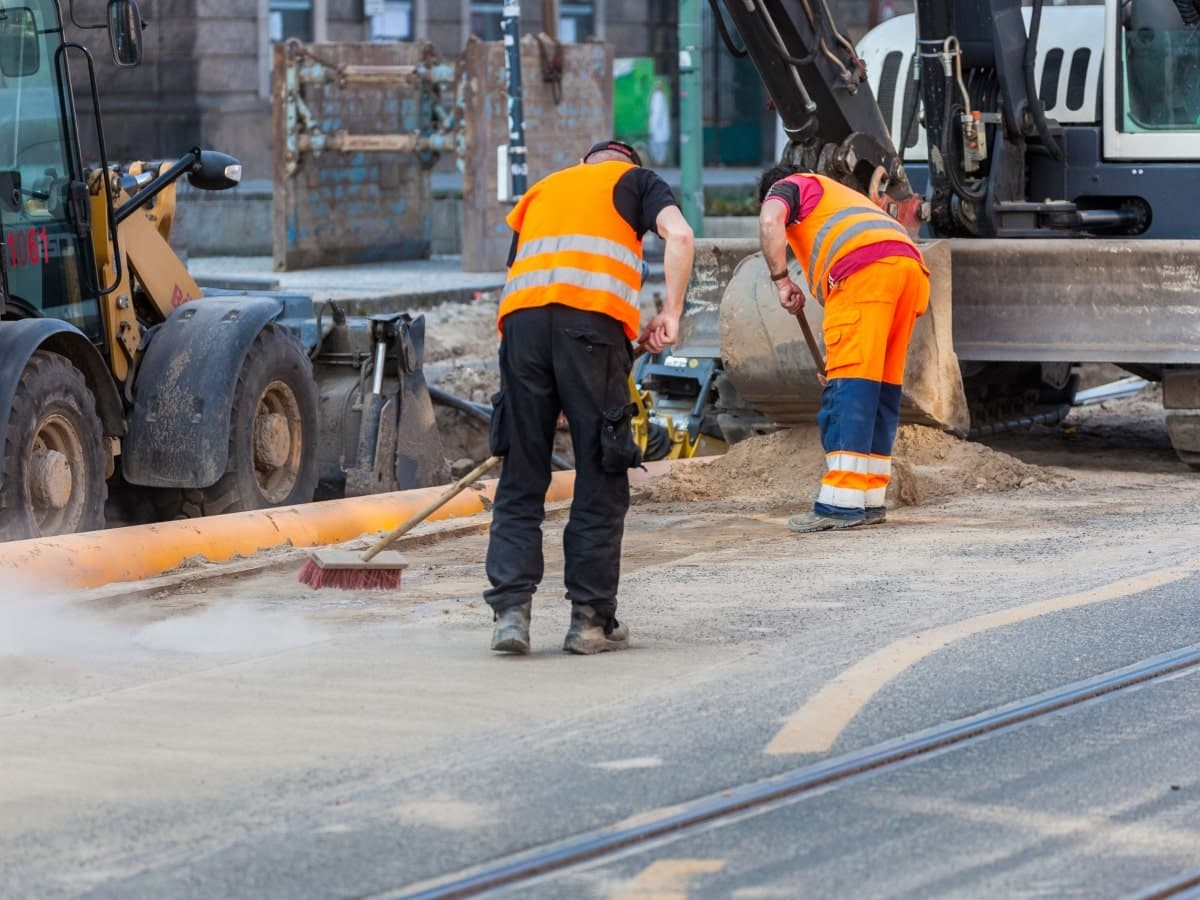
Construction Trash Hauling service being performed in Dallas, TX

Construction Trash Hauling Services

Construction projects generate substantial waste that must be properly managed, hauled away, and disposed of according to regulations. From lumber scraps and drywall pieces to packaging materials and damaged fixtures, construction trash requires efficient removal to maintain safe job sites and meet project timelines. Post Construction Cleaning Pros provides reliable construction trash hauling throughout Dallas, TX, ensuring your waste is handled responsibly and efficiently.

Understanding Construction Waste

Common Construction Debris Types

Dallas construction projects generate diverse waste streams:

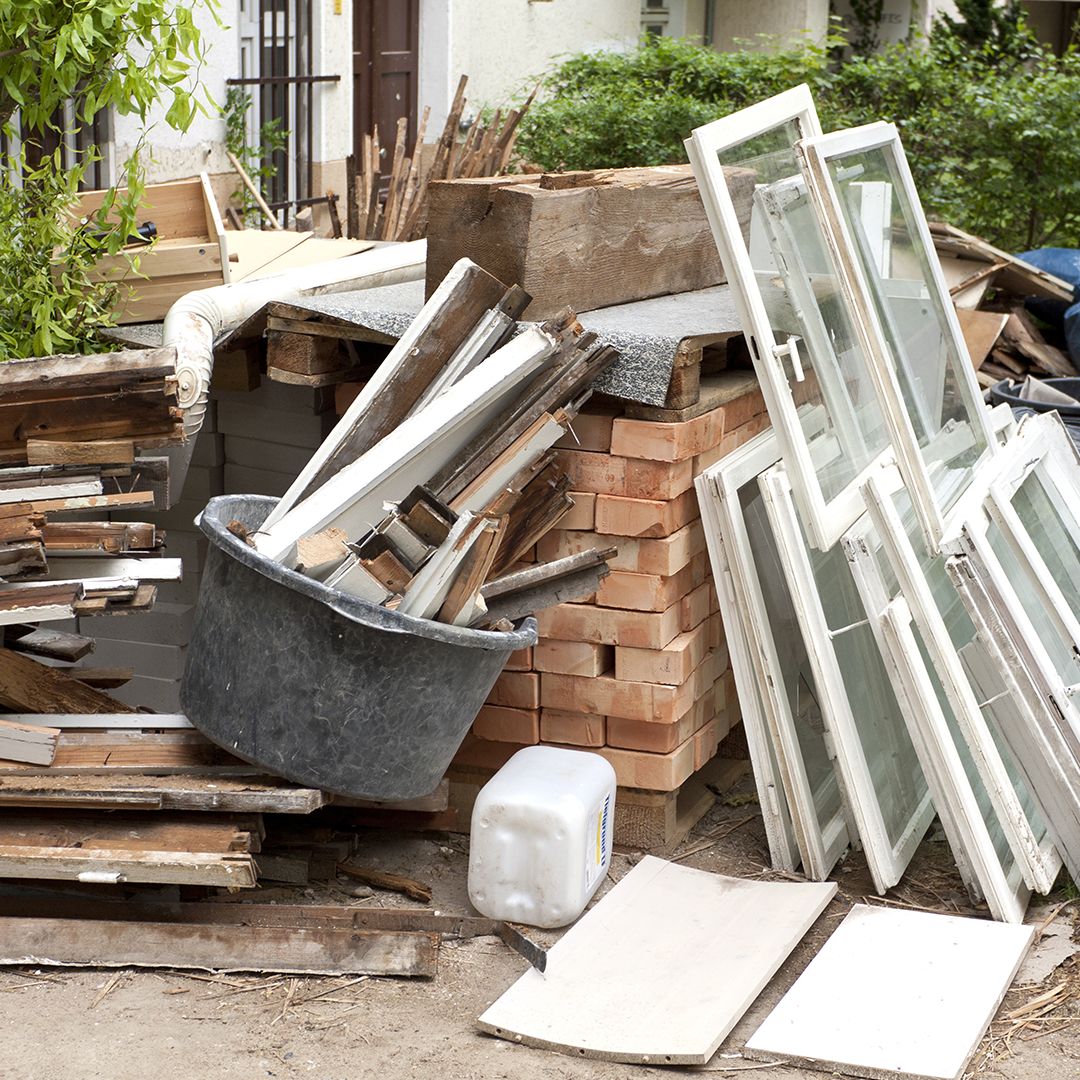
  • Wood and lumber scraps, plywood offcuts, and damaged framing
  • Drywall pieces, gypsum board remnants, and joint compound residue
  • Metal scraps including HVAC ductwork, electrical conduit, and plumbing materials
  • Cardboard, plastic packaging, and protective materials from fixtures and appliances
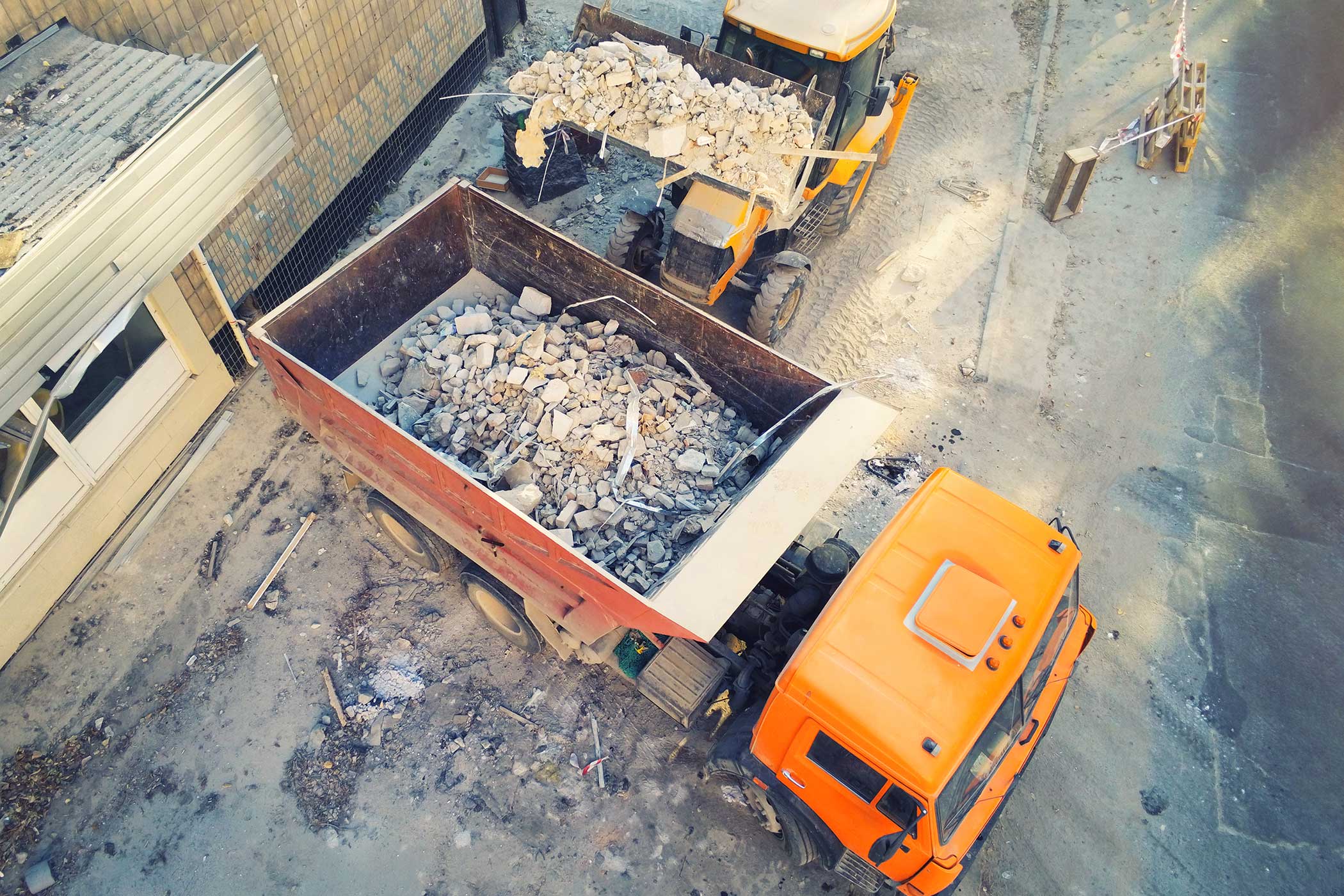
  • Concrete chunks, brick fragments, and masonry waste
  • Roofing materials and insulation scraps
  • Damaged or excess materials from all construction trades

Waste Volume Considerations

Construction waste volumes vary dramatically by project:

  • Residential renovations may generate 5-15 cubic yards of debris
  • New home construction typically produces 50-100+ cubic yards
  • Commercial projects can generate hundreds of cubic yards requiring multiple hauls
  • Demolition projects create the largest waste volumes requiring extensive hauling coordination

Environmental Responsibility

Proper construction waste management supports Dallas sustainability initiatives and reduces environmental impact through recycling and responsible disposal.

Our Hauling Services

Site Assessment and Planning

We evaluate your project to determine waste volumes, material types, and hauling requirements. This assessment informs container sizing, scheduling, and disposal planning.

Container Delivery

Appropriately sized containers are delivered to your site when needed. We offer various sizes to match project requirements and space constraints.

Loading and Collection

Our crews handle all loading activities, ensuring efficient use of container space and safe handling of materials. We separate recyclable materials when possible.

Transportation

Licensed and insured trucks transport waste from your site to approved disposal and recycling facilities throughout the Dallas-Fort Worth area.

Proper Disposal and Documentation

Materials are delivered to licensed facilities with appropriate permits. We provide documentation of proper disposal for your records and compliance requirements.

Hauling Options

Roll-Off Dumpster Service

Large containers (10-40 cubic yards) remain on-site for ongoing projects, allowing continuous waste disposal as work progresses.

Truck Hauling

For projects with accumulated waste or final cleanouts, our trucks provide efficient loading and immediate removal without on-site container rental.

Specialized Handling

Certain materials require special handling:

  • Metal scrap can be separated for recycling value
  • Clean wood may qualify for mulching or biomass programs
  • Cardboard and paper products are recycled when clean
  • Concrete and masonry can be crushed for aggregate reuse

Labor-Plus-Hauling

Our crews can provide labor to collect, sort, and load debris, streamlining the process for busy construction sites.

Recycling and Sustainability

Material Separation

We separate recyclable materials from general waste to maximize diversion from landfills:

  • Scrap metal is delivered to recycling facilities
  • Clean cardboard and paper are recycled
  • Wood waste goes to mulching or biomass programs when available
  • Concrete and masonry are crushed for aggregate

Disposal Documentation

We provide waste manifests and disposal documentation that track material destinations, supporting LEED certification and environmental reporting requirements.

Dallas Sustainability Goals

Our practices align with Dallas environmental initiatives and support construction projects pursuing green building certifications.

Regulatory Compliance

Texas Environmental Regulations

We comply with all Texas Commission on Environmental Quality (TCEQ) requirements for construction waste handling and disposal.

Dallas Municipal Codes

Our operations follow Dallas ordinances regarding waste management, transportation, and disposal site requirements.

DOT Regulations

All transportation follows Texas Department of Transportation regulations for load securement, vehicle requirements, and driver qualifications.

Documentation Requirements

We maintain proper documentation including waste manifests, disposal receipts, and recycling certifications as required by project specifications.

Dallas Service Area

We provide construction trash hauling throughout the Dallas-Fort Worth metroplex:

Dallas County

Dallas, Irving, Grand Prairie, Garland, Mesquite, Carrollton, Richardson

Collin County

Plano, McKinney, Frisco, Allen

Denton County

Denton, Lewisville

Tarrant County

Arlington

Other Surrounding Communities

We service construction projects throughout the greater Dallas-Fort Worth area.

Project Types We Serve

Residential Construction

New home construction, major renovations, and additions throughout Dallas neighborhoods generate waste we haul efficiently.

Commercial Projects

Office buildings, retail spaces, restaurants, and hospitality properties benefit from our flexible scheduling and professional service.

Multi-Family Housing

Apartment and condominium developments require coordinated hauling that supports construction schedules and site cleanliness.

Industrial and Warehouse

Large-scale industrial projects receive appropriate container service and hauling capacity for substantial waste volumes.

Institutional Buildings

Schools, healthcare facilities, and government buildings have specific requirements we address with proper documentation and procedures.

Why Professional Hauling Matters

Safety

Proper waste removal eliminates trip hazards, fire risks, and safety violations on construction sites.

Efficiency

Professional crews with appropriate equipment complete hauling faster than general labor, keeping projects on schedule.

Compliance

Licensed disposal and proper documentation protect projects from regulatory violations and liability.

Environmental Responsibility

Recycling and proper disposal minimize environmental impact and support sustainability goals.

Site Appearance

Prompt waste removal maintains professional site appearance for client relations and inspections.

Scheduling and Pricing

Flexible Scheduling

We accommodate project timelines with scheduled hauls, on-call service, and emergency response when needed.

Transparent Pricing

Pricing is based on waste volume, material types, labor requirements, and disposal fees. We provide clear estimates with no hidden charges.

Volume-Based Options

Choose from per-load pricing, container rental with scheduled pickups, or project-based comprehensive hauling.

Contact Post Construction Cleaning Pros for professional construction trash hauling. Our reliable service keeps your Dallas project site clean, safe, and compliant.
Why This Service Matters After Construction

Final cleaning is where a project starts to feel complete. For construction trash hauling, our crews focus on the details that affect inspection readiness, occupant comfort, and the way the space presents during turnover.

Efficient, reliable waste removal

Proper disposal and recycling practices

Full regulatory compliance

Flexible container and hauling options

Documentation for project records

Safe, professional loading and transport

Support for LEED and green building goals

Frequently Asked Questions

What size dumpster do I need for my construction project?

Dumpster size depends on project scope. A 10-yard container suits small renovations, 20-yard for medium projects, 30-yard for large renovations or small construction, and 40-yard for major construction or demolition. We can assess your project and recommend appropriate sizing.

How quickly can you haul away construction debris?

We typically provide same-day or next-day service for hauling requests. For ongoing projects, we establish schedules that match your waste generation rate. Emergency hauling is available for situations requiring immediate site clearance.

Do you recycle construction materials?

Yes, we prioritize recycling whenever possible. Metal, cardboard, clean wood, and concrete are separated for recycling. We provide documentation of recycling activities to support green building certifications and environmental reporting.

What items cannot go in construction dumpsters?

Hazardous materials including asbestos, lead-based paint debris, chemicals, and certain electronics require specialized handling and cannot go in standard construction containers. We can coordinate appropriate disposal for these materials through licensed hazardous waste handlers.

Do I need to be present when you haul debris?

While not required, having a site representative available helps ensure we collect all designated materials and address any questions. Many contractors provide clear instructions and access arrangements allowing hauling without their presence.

Ready to Get Started?

Contact us today for a free, no-obligation quote for construction trash hauling services in Dallas and surrounding areas.

services planning guide

How to plan construction trash hauling for a construction project in Dallas

Post Construction Cleaning Pros uses the following planning framework to help property managers and business owners turn a request for post-construction cleanup and final cleaning into a scope that can be walked, priced, scheduled, and checked. It is designed for practical comparison and does not replace site-specific safety, material, vendor, or regulatory requirements.

Define the Work Before Pricing It

For multi-tenant or mixed-use properties, construction trash hauling should be divided by responsibility zone. Common areas, tenant suites, back-of-house spaces, loading areas, public restrooms, and restricted rooms can then receive schedules and approval rules that match their actual use. A commercial scope should distinguish appearance cleaning from hygiene work and asset maintenance. Dust removal, disinfection, floor finish care, glass restoration, and debris control solve different problems, use different processes, and often belong on different frequencies. A walkthrough for construction trash hauling is most productive when the decision-maker identifies the spaces that create complaints, the areas that carry the most traffic, and the tasks the current program misses. Those observations turn a generic checklist into a practical scope tied to the way the property is actually used. Before pricing construction trash hauling, document exclusions as carefully as inclusions. Exterior work, high access, consumable supplies, waste handling, specialty floor restoration, equipment interiors, and event cleanup can be scheduled correctly only when responsibility is explicit.

Build the Schedule Around Operations

Daytime and after-hours service solve different operational problems. Day porter coverage manages visible conditions while people are present; after-hours crews complete disruptive or time-intensive tasks when work areas can be accessed safely and thoroughly. For Dallas–Fort Worth properties, travel windows and building access can materially affect the usable service period. A realistic schedule accounts for security handoffs and operating deadlines rather than promising a start time that leaves too little time to finish. Scheduling should be built around operating hours and risk, not around the cleaning company’s convenience. Some construction project environments need a complete after-hours reset, while others benefit from daytime attention to entrances, restrooms, spills, or high-traffic common areas. A dependable plan includes a method for reporting schedule changes. The facility contact should know whom to notify, how much lead time is needed, and how missed or added visits affect the monthly program before an urgent request arises.

Make Quality Control Observable

Before-and-after documentation is especially valuable for one-time or restorative construction trash hauling. It establishes the starting condition, records the completed result, and helps the facility manager decide whether a recurring maintenance cycle would prevent the same buildup. The account review should examine service requests, inspection findings, occupancy changes, supply use, and upcoming facility events. That review keeps the program aligned with the property instead of allowing an old scope to continue after the building changes. Quality control works best when it is tied to the site-specific scope. A supervisor can inspect completion against named rooms and outcomes, record exceptions, assign corrections, and identify patterns that require a change in staffing, tools, or frequency. A quality program should explain how corrections are handled. The facility contact needs a clear response path, a reasonable correction window, and confirmation when the issue is closed rather than a vague assurance that someone will look into it.

Match Methods to Materials and Risk

Color-coded cloths, pads, and tools can reduce cross-use between restrooms, food areas, workspaces, and public surfaces. The exact system matters less than having a documented method the crew can follow consistently. Product selection should match the task and the occupied environment. Cleaning, degreasing, disinfecting, descaling, and finishing are different functions; using one product for every surface can leave residue, reduce effectiveness, or shorten asset life. For sensitive or newly installed materials, a small test area can prevent expensive mistakes. The service plan should identify who approves the test result before broader cleaning or restoration proceeds. Surface identification matters because a process that works on one material can damage another. Before construction trash hauling, confirm flooring, stone, coated metal, glass treatments, upholstery, painted surfaces, and manufacturer restrictions that affect chemistry or agitation.

Use the Walkthrough to Build the Scope

The walkthrough should follow the facility’s traffic pattern from entrances through work areas, restrooms, support rooms, and exits. This reveals where soil enters, where it concentrates, and which tasks must be completed in a particular order. Ask department leads or regular occupants where cleaning failures are most visible. Facility managers often know the formal complaints, while daily users can identify recurring issues such as neglected corners, supply shortages, or timing conflicts. For larger properties, divide the walkthrough into zones and record the floor type, use, occupancy, and desired frequency for each. This produces a proposal that can be adjusted by zone without rewriting the entire program. A useful walkthrough ends with next steps: who will receive the written scope, who can approve revisions, whether a second technical visit is required, and what information is still needed before pricing is final.

Put the Service Agreement in Writing

The agreement should explain how additional work is approved. Emergency cleanup, event service, construction dust, floor restoration, and extra porter coverage should not be performed or billed through an informal request that no one can later verify. Cancellation, renewal, and notice terms deserve the same attention as the cleaning checklist. A facility manager comparing proposals should understand the initial term, renewal method, price-review process, and the notice required to change or end service. The agreement should state how holidays, weather closures, and client-requested skips are handled. These events affect visit counts and staffing, and the billing treatment should be clear before the first calendar exception. A commercial cleaning agreement should attach or reproduce the approved scope, frequency, service window, periodic task calendar, supply responsibilities, access rules, and communication contacts. The written detail protects both the property and the service team.

Plan for Dallas Facility Conditions

Fast regional growth creates frequent move-ins, renovations, tenant turnovers, and occupancy changes. The cleaning scope should be reviewed when a property changes use instead of assuming the previous tenant’s schedule remains appropriate. Heat and air-conditioning runtime can increase dust movement through vents, ledges, high surfaces, and return-air zones. Periodic detail work should be scheduled before accumulation becomes visible or begins cycling back into occupied areas. A local service plan should account for the property’s immediate environment. Construction nearby, open parking, landscaping, loading activity, and pedestrian traffic can change how quickly dust and debris return after a visit. DFW traffic makes realistic arrival windows important, especially when a crew must meet security or elevator access at a fixed time. The plan should protect enough on-site time to complete the work rather than compressing the scope after a delayed handoff.

Compare Providers on More Than Price

A pilot or structured startup can be useful when the facility is complex or the current condition is uncertain. Define what will be evaluated, how long the evaluation lasts, and what information determines the permanent scope. Consider the cost of under-scoping. Persistent complaints, damaged finishes, emergency restoration, staff time spent supervising the vendor, and repeated provider changes can cost more than a properly designed recurring program. Evaluate communication alongside cleaning technique. A facility manager needs timely updates, a named account contact, documented service requests, and a reliable process for resolving issues without repeatedly explaining the account. Review the proposal for vague language. Terms such as “as needed,” “regularly,” and “periodically” should be converted into frequencies, triggers, or approval rules before the agreement is signed.

Start, Measure, and Adjust the Program

Closeout reporting should match the account’s complexity. A small property may need simple completion confirmation; a larger or specialized account may need inspection notes, issue photographs, supply alerts, and a record of periodic tasks. The crew should record conditions outside the approved scope rather than quietly ignoring them or performing unapproved work. Photos and concise notes allow the facility manager to decide whether a separate service is warranted. Periodic tasks should be placed on a calendar at startup. Floor work, carpet extraction, glass detailing, vent cleaning, high dusting, pressure cleaning, and other rotating services are easier to budget when dates are planned. The first visit should not be treated as an ordinary maintenance visit when buildup already exists. Startup cleaning establishes a maintainable baseline and gives the crew a realistic view of the time required for future service.

Bring to the walkthrough

  • Approximate square footage, floor plan, and operating hours
  • Current frequency, known complaints, and priority areas
  • Flooring and surface notes, restricted rooms, and access rules
  • Desired start date, budget constraints, and approval contacts

Expect in a written proposal

  • Task scope by zone and visit frequency
  • Service windows, periodic work, and supply responsibility
  • Quality checks, communication, and correction procedures
  • Pricing assumptions, exclusions, and change-order rules