Post Construction Cleaning Pros

Exterior Facade Pressure Washing in Dallas, TX

Professional pressure washing services for building exteriors in Dallas, TX. We remove construction residue, dirt, and stains to restore facade appearance and protect your investment.

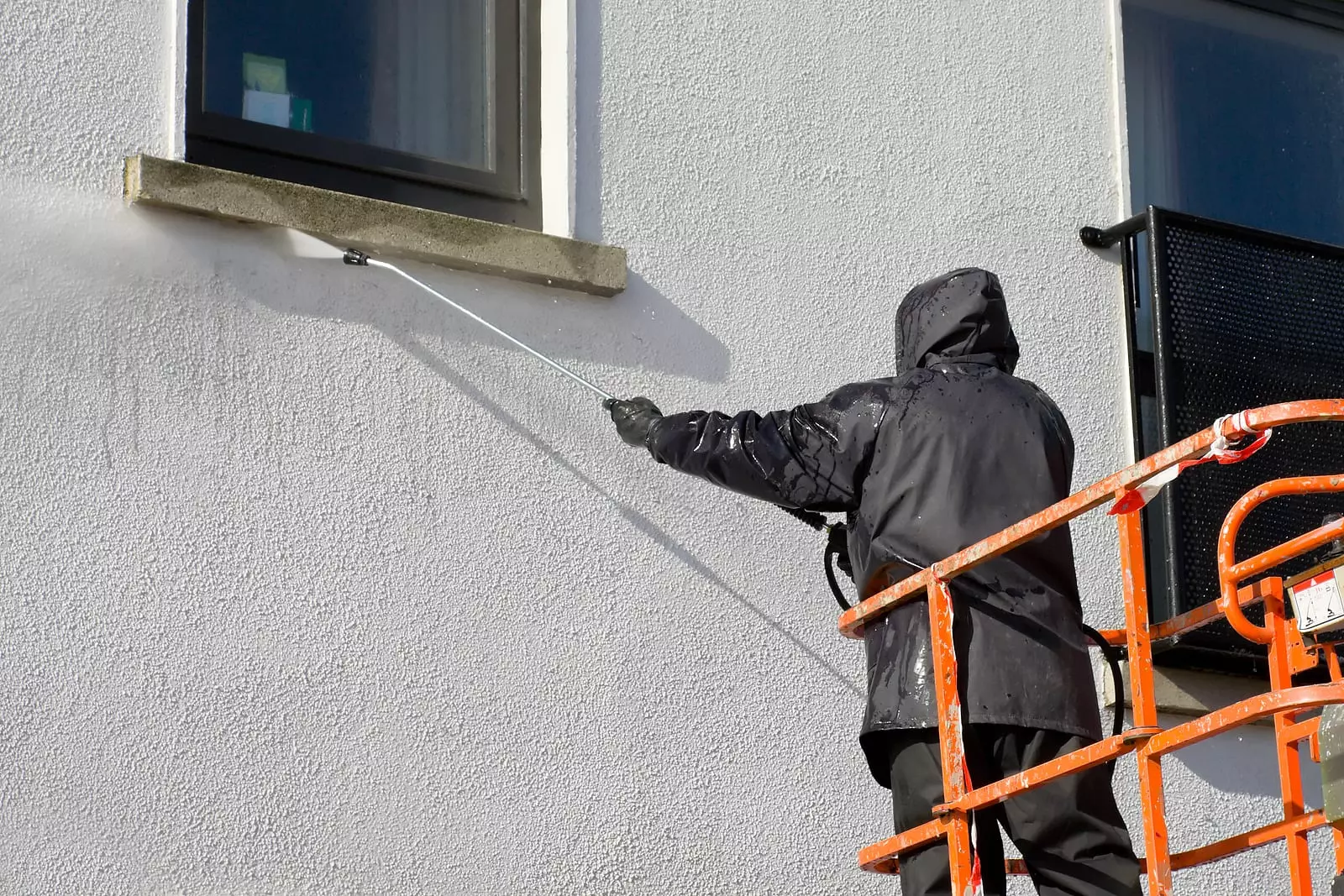
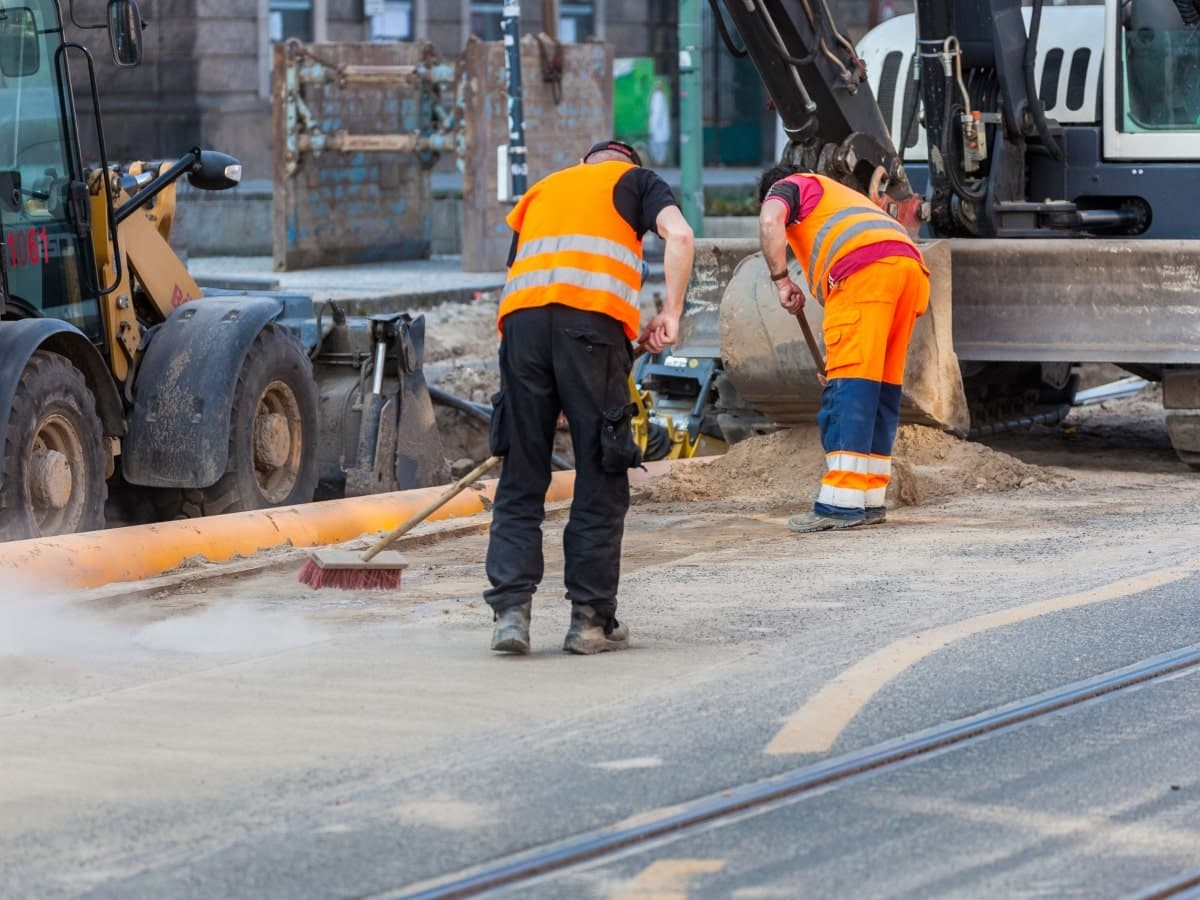
Exterior Facade Pressure Washing service being performed in Dallas, TX

Exterior Facade Pressure Washing Services

Building exteriors are the first impression your project makes on occupants, visitors, and passersby. Construction activities leave facades covered in dust, mortar splatter, adhesive residue, and stains that diminish curb appeal and can damage materials if not properly addressed. Post Construction Cleaning Pros provides professional exterior facade pressure washing throughout Dallas, TX, revealing the true beauty of your building's exterior.

Construction's Impact on Building Exteriors

Common Construction Soiling

Building facades accumulate significant contamination during construction:

  • Drywall and concrete dust that settles on all exterior surfaces
  • Mortar and grout splatter from masonry work
  • Adhesive and sealant residue from window and facade installation
  • Paint overspray from exterior and interior painting
  • Rust stains from steel components and fasteners
  • Tire marks and equipment scuffs
  • Water staining from curing processes

Material-Specific Concerns

Different facade materials present unique cleaning challenges:

  • Brick and masonry absorb stains and require appropriate pressure and chemistry
  • EIFS and stucco surfaces are delicate and demand low-pressure methods
  • Metal panels can show water spots and require streak-free cleaning
  • Glass and glazing need residue-free cleaning for clarity
  • Natural stone requires pH-appropriate cleaning to prevent etching

Long-Term Damage Prevention

Prompt cleaning prevents permanent staining and material degradation. Mortar residue on brick can cause efflorescence; organic growth on dirty surfaces accelerates deterioration.

Our Pressure Washing Process

Site Assessment and Material Identification

Our technicians evaluate facade materials, soiling types, and access requirements. We identify appropriate pressure levels, cleaning agents, and techniques for each surface.

Surface Preparation

Landscaping is protected, windows are checked for seals, and adjacent surfaces are masked as needed. We ensure proper drainage and environmental protection.

Pre-Treatment Application

Appropriate cleaning agents are applied to break down construction residue. We select products based on soiling type and facade material compatibility.

Controlled Pressure Washing

Using professional-grade equipment with adjustable pressure, we clean each surface with appropriate force—higher pressure for durable concrete, gentle washing for delicate materials.

Detail and Spot Cleaning

Stubborn spots, mortar residue, and adhesive marks receive targeted treatment with specialized tools and cleaning agents.

Rinse and Neutralization

All cleaning agents are thoroughly rinsed away. For acidic cleaners, we apply neutralizing treatments to protect facade materials.

Final Inspection and Touch-Up

We inspect all surfaces for complete cleaning and address any remaining spots or streaks.

Facade Materials We Clean

Brick and Masonry

Clay brick, concrete block, and stone masonry are cleaned using appropriate pressure and chemistry that removes construction residue without damaging mortar joints or face surfaces.

EIFS and Synthetic Stucco

Exterior insulation and finish systems receive gentle, low-pressure cleaning that preserves the delicate outer coating while removing construction dust and stains.

Traditional Stucco

Cement and acrylic stucco surfaces are cleaned with methods appropriate to their texture and finish type, preventing water intrusion and surface damage.

Metal Panels and Siding

Aluminum, steel, and composite panels are cleaned to remove construction residue and restore original appearance without scratching or denting.

Natural Stone

Granite, limestone, travertine, and other natural stone facades receive pH-appropriate cleaning that preserves stone integrity and appearance.

Glass and Curtain Walls

Large glass surfaces are cleaned to streak-free clarity using professional techniques and purified water systems.

Concrete and Precast

Exposed concrete surfaces, including architectural precast panels, are cleaned to remove construction contamination and reveal intended appearance.

Advanced Equipment and Techniques

Variable Pressure Systems

Our equipment adjusts from gentle soft-washing (under 500 PSI) for delicate surfaces to higher pressure for durable materials, ensuring appropriate cleaning force for every application.

Hot Water Cleaning

Heated water systems improve cleaning effectiveness on oily residue and stubborn construction stains.

Soft Wash Technology

Low-pressure chemical application effectively cleans delicate surfaces without the damage risk of high-pressure washing.

Water-Fed Pole Systems

For multi-story buildings, water-fed poles with purified water allow effective cleaning from ground level.

Lift and Access Equipment

We coordinate appropriate lift equipment for high-rise facades, ensuring safe access to all exterior surfaces.

Dallas Climate Considerations

Dust and Pollen Management

Dallas's dusty environment and heavy pollen seasons create additional cleaning challenges that our processes address effectively.

Heat and Evaporation

High summer temperatures require cleaning techniques that prevent rapid drying and streaking. We adjust timing and methods for seasonal conditions.

Hard Water Issues

Dallas water hardness can leave mineral deposits on glass and metal surfaces. We use appropriate treatments and purified water to prevent spotting.

Storm Debris

Seasonal storms can deposit additional debris on construction sites. We provide post-storm cleaning to address these situations.

Environmental Responsibility

Wastewater Management

We comply with Dallas stormwater regulations, containing and properly disposing of wastewater when required by environmental regulations.

Biodegradable Cleaning Agents

Our cleaning products are selected for effectiveness and environmental compatibility, protecting landscaping and groundwater.

Water Conservation

Professional equipment and techniques maximize cleaning effectiveness while minimizing water usage compared to conventional washing methods.

Service Applications

New Construction Final Cleaning

Complete facade washing prepares new buildings for final inspections, photography, and occupancy.

Renovation Projects

Exterior cleaning removes construction residue from renovation work, integrating improved areas with existing building appearance.

Post-Remediation Cleaning

Following fire, water, or mold remediation, exterior washing removes residual contamination and restores appearance.

Ongoing Maintenance Programs

Commercial properties benefit from scheduled exterior cleaning that maintains appearance and protects facade materials.

Service Coverage

We provide exterior facade pressure washing throughout Dallas and surrounding communities including Arlington, Garland, Mesquite, Irving, Grand Prairie, Lewisville, McKinney, Plano, Carrollton, Frisco, Denton, and Richardson.

Contact Post Construction Cleaning Pros for professional exterior facade pressure washing. Our experienced crews and specialized equipment ensure your Dallas building's exterior makes the right first impression.
Why This Service Matters After Construction

Final cleaning is where a project starts to feel complete. For exterior facade pressure washing, our crews focus on the details that affect inspection readiness, occupant comfort, and the way the space presents during turnover.

Removal of all construction residue and stains

Material-appropriate cleaning methods

Enhanced curb appeal and property value

Protection against permanent staining

Safe, professional equipment and techniques

Environmental compliance and responsibility

Multi-story and complex facade capability

Frequently Asked Questions

Will pressure washing damage my building's exterior?

Professional pressure washing, when performed by trained technicians using appropriate pressure and techniques, will not damage building exteriors. We assess each material and adjust pressure accordingly—delicate surfaces receive gentle soft-washing while durable materials can tolerate higher pressure.

Can you pressure wash multi-story buildings?

Yes, we clean buildings of all heights using appropriate access equipment. For buildings exceeding ladder reach, we coordinate lift equipment, boom trucks, or water-fed pole systems to safely access all exterior surfaces.

How do you remove mortar stains from brick?

Mortar stains require specialized acidic cleaners that dissolve alkaline mortar residue. We apply appropriate masonry cleaners, allow dwell time for chemical action, and rinse thoroughly. This process requires expertise to remove stains without damaging brick or mortar.

Is pressure washing safe for windows?

Windows can be pressure washed using appropriate pressure and techniques. We check window seals and condition before washing, use lower pressure around glazing, and often follow pressure washing with detailed window cleaning for streak-free clarity.

How soon after construction can you pressure wash?

Timing depends on materials and construction activities. Masonry should cure before washing; sealants and coatings need full cure time. We typically schedule exterior washing near project completion after all facade work is finished and materials have adequately cured.

Ready to Get Started?

Contact us today for a free, no-obligation quote for exterior facade pressure washing services in Dallas and surrounding areas.

services planning guide

How to plan exterior facade pressure washing for a construction project in Dallas

Post Construction Cleaning Pros uses the following planning framework to help property managers and business owners turn a request for post-construction cleanup and final cleaning into a scope that can be walked, priced, scheduled, and checked. It is designed for practical comparison and does not replace site-specific safety, material, vendor, or regulatory requirements.

Define the Work Before Pricing It

A walkthrough for exterior facade pressure washing is most productive when the decision-maker identifies the spaces that create complaints, the areas that carry the most traffic, and the tasks the current program misses. Those observations turn a generic checklist into a practical scope tied to the way the property is actually used. Before pricing exterior facade pressure washing, document exclusions as carefully as inclusions. Exterior work, high access, consumable supplies, waste handling, specialty floor restoration, equipment interiors, and event cleanup can be scheduled correctly only when responsibility is explicit. For multi-tenant or mixed-use properties, exterior facade pressure washing should be divided by responsibility zone. Common areas, tenant suites, back-of-house spaces, loading areas, public restrooms, and restricted rooms can then receive schedules and approval rules that match their actual use. Exterior Facade Pressure Washing should begin with a written definition of the rooms, surfaces, fixtures, equipment boundaries, and access conditions included in the work. A useful scope separates routine tasks from periodic restoration so the facility manager can see what happens on every visit and what occurs only on a planned cycle.

Build the Schedule Around Operations

Access planning is part of service planning. Keys, badges, alarm procedures, loading access, elevator reservations, escort rules, and locked-room approvals should be confirmed before the first exterior facade pressure washing visit so the crew can complete the full scope without improvising. Daytime and after-hours service solve different operational problems. Day porter coverage manages visible conditions while people are present; after-hours crews complete disruptive or time-intensive tasks when work areas can be accessed safely and thoroughly. Scheduling should be built around operating hours and risk, not around the cleaning company’s convenience. Some construction project environments need a complete after-hours reset, while others benefit from daytime attention to entrances, restrooms, spills, or high-traffic common areas. A dependable plan includes a method for reporting schedule changes. The facility contact should know whom to notify, how much lead time is needed, and how missed or added visits affect the monthly program before an urgent request arises.

Make Quality Control Observable

Consistent crew assignments improve exterior facade pressure washing because the team learns access routines, material sensitivities, recurring problem areas, and the expectations of the facility contact. Coverage plans are still necessary for absences so consistency does not depend on one individual. Quality control works best when it is tied to the site-specific scope. A supervisor can inspect completion against named rooms and outcomes, record exceptions, assign corrections, and identify patterns that require a change in staffing, tools, or frequency. The account review should examine service requests, inspection findings, occupancy changes, supply use, and upcoming facility events. That review keeps the program aligned with the property instead of allowing an old scope to continue after the building changes. A quality program should explain how corrections are handled. The facility contact needs a clear response path, a reasonable correction window, and confirmation when the issue is closed rather than a vague assurance that someone will look into it.

Match Methods to Materials and Risk

Equipment should be selected for the facility rather than for convenience. HEPA filtration, low-moisture extraction, auto-scrubbing, water-fed poles, pressure equipment, or detail tools may be appropriate depending on access, surface, soil, and reopening time. A material-safety discussion should include storage and labeling. Facility contacts should know where products and equipment will be kept, which rooms remain accessible to occupants, and how spills or damaged containers are reported. For sensitive or newly installed materials, a small test area can prevent expensive mistakes. The service plan should identify who approves the test result before broader cleaning or restoration proceeds. Surface identification matters because a process that works on one material can damage another. Before exterior facade pressure washing, confirm flooring, stone, coated metal, glass treatments, upholstery, painted surfaces, and manufacturer restrictions that affect chemistry or agitation.

Use the Walkthrough to Build the Scope

For larger properties, divide the walkthrough into zones and record the floor type, use, occupancy, and desired frequency for each. This produces a proposal that can be adjusted by zone without rewriting the entire program. The walkthrough should follow the facility’s traffic pattern from entrances through work areas, restrooms, support rooms, and exits. This reveals where soil enters, where it concentrates, and which tasks must be completed in a particular order. A useful walkthrough ends with next steps: who will receive the written scope, who can approve revisions, whether a second technical visit is required, and what information is still needed before pricing is final. Access and safety constraints should be demonstrated, not merely mentioned. Alarm panels, loading doors, restricted areas, waste points, water access, electrical access, and equipment storage can change the labor plan materially.

Put the Service Agreement in Writing

Service-level expectations should be realistic and observable. A promise of “perfect cleaning” is less useful than response times, inspection routines, named completion outcomes, and an escalation process for repeated deficiencies. The agreement should state how holidays, weather closures, and client-requested skips are handled. These events affect visit counts and staffing, and the billing treatment should be clear before the first calendar exception. The agreement should explain how additional work is approved. Emergency cleanup, event service, construction dust, floor restoration, and extra porter coverage should not be performed or billed through an informal request that no one can later verify. Cancellation, renewal, and notice terms deserve the same attention as the cleaning checklist. A facility manager comparing proposals should understand the initial term, renewal method, price-review process, and the notice required to change or end service.

Plan for Dallas Facility Conditions

DFW traffic makes realistic arrival windows important, especially when a crew must meet security or elevator access at a fixed time. The plan should protect enough on-site time to complete the work rather than compressing the scope after a delayed handoff. A local service plan should account for the property’s immediate environment. Construction nearby, open parking, landscaping, loading activity, and pedestrian traffic can change how quickly dust and debris return after a visit. Fast regional growth creates frequent move-ins, renovations, tenant turnovers, and occupancy changes. The cleaning scope should be reviewed when a property changes use instead of assuming the previous tenant’s schedule remains appropriate. Properties across Dallas–Fort Worth vary widely in access, occupancy, and operating schedule. A downtown office, suburban medical suite, industrial building, retail center, and hospitality property should not receive the same labor plan simply because their square footage is similar.

Compare Providers on More Than Price

Ask each provider to explain staffing assumptions, visit length, supervision, equipment, and the process for covering absences. The answer reveals whether the proposal is an operating plan or simply a price attached to a task list. Evaluate communication alongside cleaning technique. A facility manager needs timely updates, a named account contact, documented service requests, and a reliable process for resolving issues without repeatedly explaining the account. Review the proposal for vague language. Terms such as “as needed,” “regularly,” and “periodically” should be converted into frequencies, triggers, or approval rules before the agreement is signed. References are most useful when the compared account resembles the property in size, use, and schedule. A successful small office account does not by itself demonstrate the systems needed for a large, high-traffic, or specialized facility.

Start, Measure, and Adjust the Program

The first visit should not be treated as an ordinary maintenance visit when buildup already exists. Startup cleaning establishes a maintainable baseline and gives the crew a realistic view of the time required for future service. Closeout reporting should match the account’s complexity. A small property may need simple completion confirmation; a larger or specialized account may need inspection notes, issue photographs, supply alerts, and a record of periodic tasks. Periodic tasks should be placed on a calendar at startup. Floor work, carpet extraction, glass detailing, vent cleaning, high dusting, pressure cleaning, and other rotating services are easier to budget when dates are planned. Crew orientation should cover the approved scope, building access, material cautions, waste handling, supply storage, security, and the communication path for exceptions. Written information is more dependable than verbal instructions passed between shifts.

Bring to the walkthrough

  • Approximate square footage, floor plan, and operating hours
  • Current frequency, known complaints, and priority areas
  • Flooring and surface notes, restricted rooms, and access rules
  • Desired start date, budget constraints, and approval contacts

Expect in a written proposal

  • Task scope by zone and visit frequency
  • Service windows, periodic work, and supply responsibility
  • Quality checks, communication, and correction procedures
  • Pricing assumptions, exclusions, and change-order rules