Post Construction Cleaning Pros

Restroom Decontamination in Dallas, TX

Thorough restroom cleaning and decontamination services for Dallas construction projects. We sanitize all surfaces to ensure safe, hygienic facilities ready for occupancy.

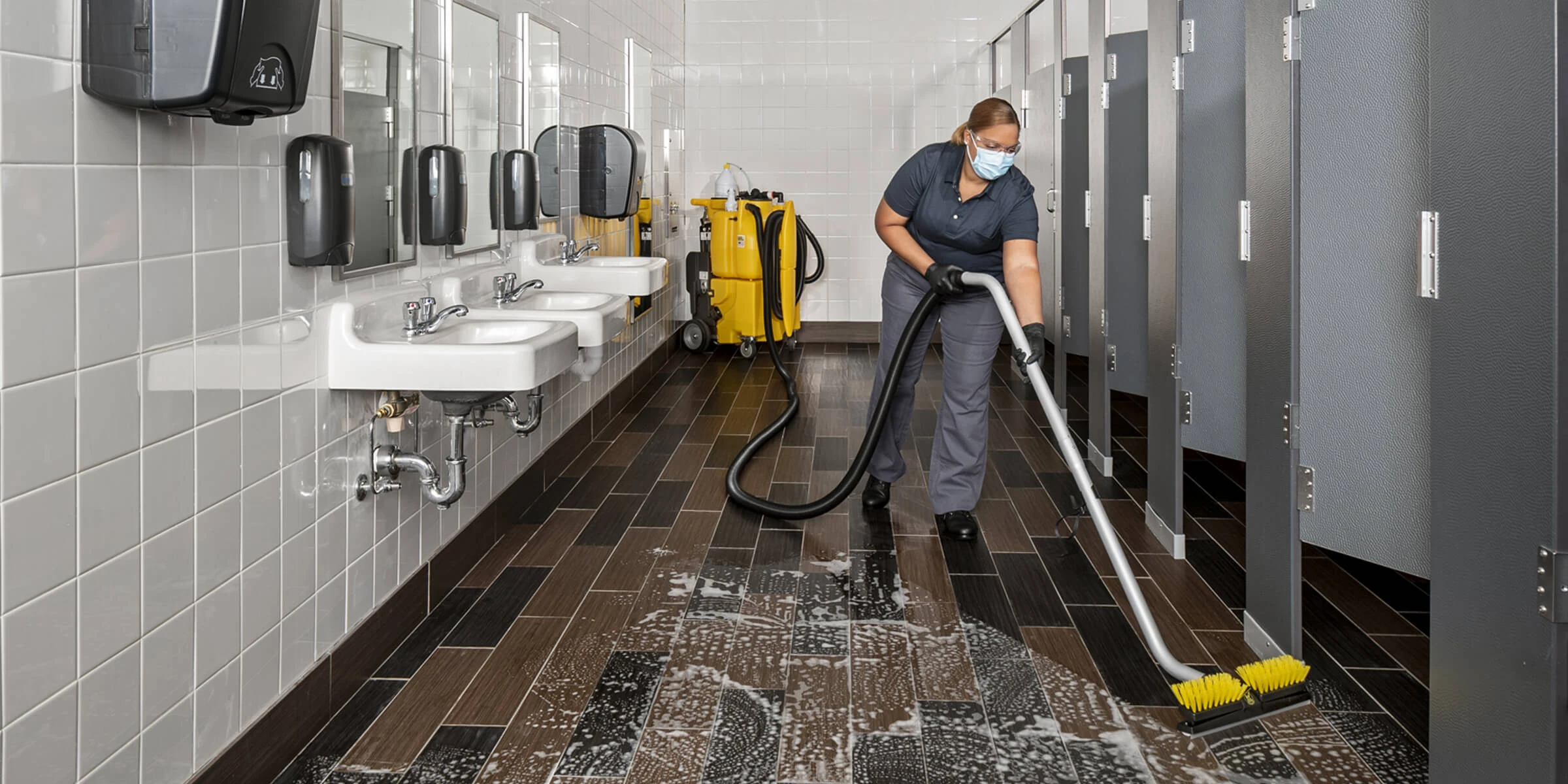
Restroom Decontamination service being performed in Dallas, TX

Restroom Decontamination Services

Restrooms in construction projects require specialized cleaning that goes far beyond standard janitorial service. Construction activities leave these facilities contaminated with dust, debris, adhesive residue, and potential pathogens that must be thoroughly addressed before occupancy. Post Construction Cleaning Pros provides comprehensive restroom decontamination throughout Dallas, TX, ensuring these critical facilities are safe, sanitary, and pristine for building occupants.

Construction's Impact on Restroom Facilities

Unique Contamination Challenges

Construction restrooms face contamination sources unlike occupied facilities:

  • Heavy construction dust from drywall, concrete, and masonry work
  • Adhesive and sealant residue from fixture installation
  • Grout haze and installation residue on tile surfaces
  • Protective coatings and stickers on fixtures
  • Potential bacterial growth from stagnant water in lines
  • Marks and residue from construction worker use
  • Chemical residue from construction cleaning products

Health and Safety Requirements

Restrooms must meet strict hygiene standards:

  • Elimination of construction-related pathogens
  • Removal of all chemical residue
  • Sanitization of all touch surfaces
  • Safe water systems for hand washing
  • Proper function of all fixtures and drains

Regulatory Compliance

Dallas health codes and OSHA requirements govern restroom facilities in commercial buildings. Proper decontamination supports compliance with these standards.

Our Decontamination Process

Initial Assessment and Planning

We evaluate each restroom facility, identifying fixture types, surface materials, contamination extent, and specific cleaning requirements.

Dust and Debris Removal

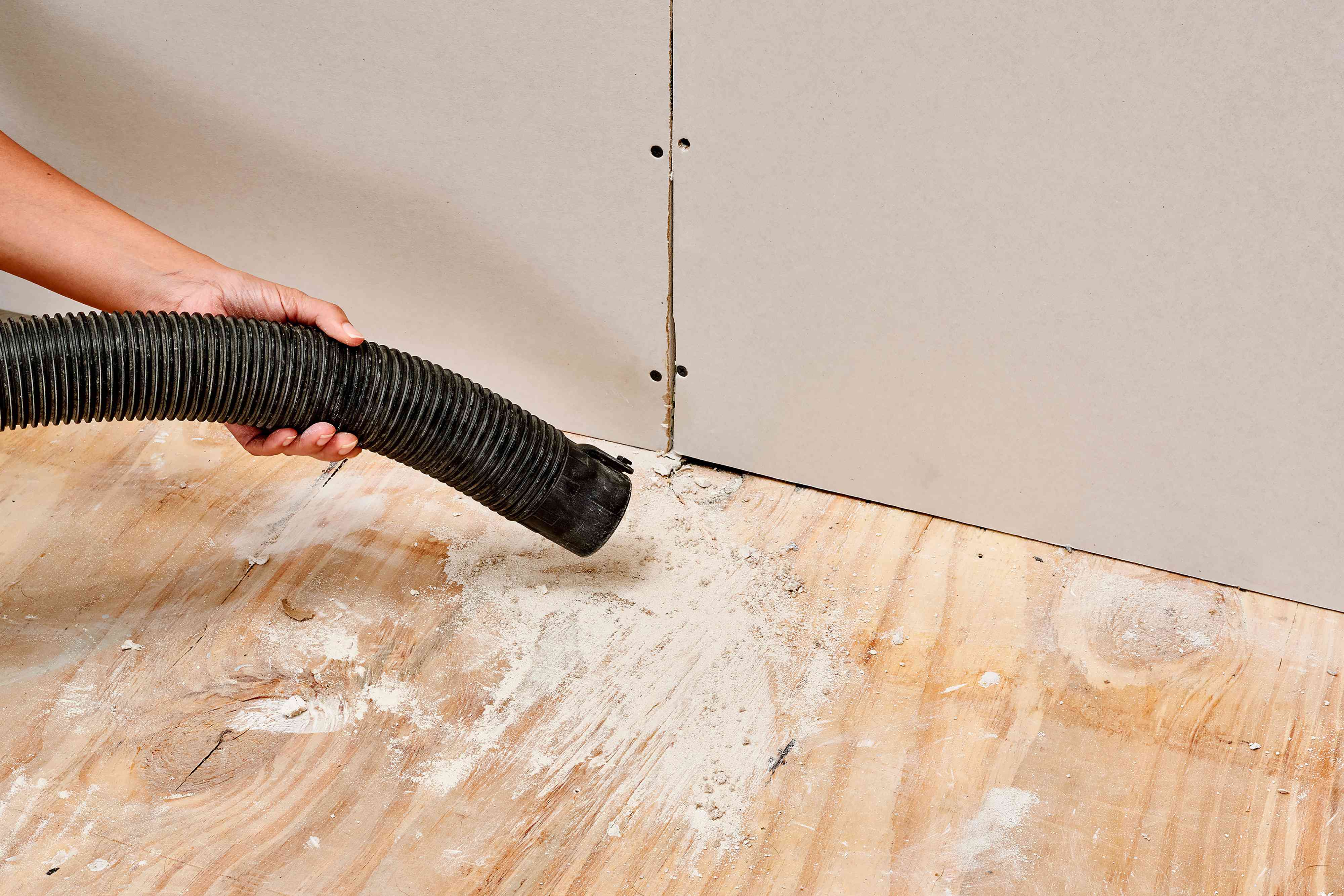
Construction dust is systematically removed from all surfaces using HEPA vacuuming and appropriate dusting techniques that prevent redistribution.

Fixture Cleaning and Disinfection

All plumbing fixtures receive thorough cleaning followed by EPA-registered disinfection:

  • Toilets and urinals: interior and exterior sanitization
  • Sinks and lavatories: basin, faucet, and drain cleaning
  • Showers and tubs: surface cleaning and mildew prevention
  • Specialty fixtures: appropriate cleaning for each type

Surface Sanitization

All horizontal and vertical surfaces are cleaned and disinfected:

  • Countertops and vanities
  • Partitions and stall walls
  • Mirrors and glass surfaces
  • Door handles and push plates
  • Paper towel and soap dispensers
  • Grab bars and accessibility fixtures

Floor Deep Cleaning

Floors receive intensive cleaning appropriate to material:

  • Tile and grout deep cleaning
  • Resilient floor restoration
  • Concrete floor cleaning and sealing
  • Proper drying to prevent slip hazards

Grout and Caulk Restoration

Grout lines are cleaned to remove construction haze and residue. Excess caulk and sealant residue is carefully removed for neat appearance.

Ventilation and Odor Control

Exhaust fans and vents are cleaned, and odor-neutralizing treatments address any construction-related smells.

Final Inspection and Testing

We verify all fixtures function properly, surfaces are properly sanitized, and facilities are ready for occupancy.

Fixture Types and Materials

Porcelain Fixtures

Toilets, urinals, and vitreous china sinks receive thorough cleaning that removes construction residue while preserving finish.

Stainless Steel

Commercial-grade stainless fixtures are cleaned and polished to remove construction marks and restore professional appearance.

Solid Surface Materials

Cultured marble, solid surface, and composite vanities are cleaned using products appropriate to manufacturer specifications.

Tile and Stone

Natural stone, ceramic, and porcelain tile surfaces receive material-appropriate cleaning that removes grout haze and construction residue.

Metal Finishes

Faucets, flush valves, and hardware with chrome, brushed nickel, or specialty finishes are cleaned and polished appropriately.

Accessibility Fixtures

Grab bars, accessible dispensers, and ADA-compliant fixtures receive detailed attention to ensure proper function and cleanliness.

Specialized Cleaning Applications

Healthcare Restrooms

Medical facility restrooms require hospital-grade disinfection and adherence to infection control protocols that exceed standard commercial cleaning.

Food Service Facilities

Restaurant and cafeteria restrooms must meet health department standards for food service establishments.

Educational Facilities

School restrooms require thorough decontamination that addresses high-use expectations and student safety.

Industrial Facilities

Factory and warehouse restrooms face unique contamination from industrial processes requiring specialized cleaning approaches.

High-End Commercial

Class A office buildings and luxury facilities demand pristine restrooms that support premium tenant expectations.

Health and Safety Protocols

Disinfection Standards

We use EPA-registered disinfectants effective against bacteria, viruses, and fungi commonly found in construction environments.

Contact Time Compliance

Proper disinfection requires specific contact times that we strictly follow to ensure pathogen elimination.

Cross-Contamination Prevention

Color-coded materials and systematic cleaning patterns prevent spreading contamination between surfaces.

PPE and Safety

Technicians wear appropriate protective equipment and follow safety protocols for chemical handling and biological contamination.

Dallas Construction Applications

High-Rise Buildings

Dallas's growing skyline includes numerous high-rise projects where restroom decontamination must coordinate with building systems commissioning.

Medical District Facilities

Healthcare construction in Dallas's Medical District requires the highest decontamination standards to support patient care environments.

Hospitality Projects

Hotels and restaurants need pristine restrooms that meet brand standards and health inspection requirements.

Multi-Family Housing

Apartment and condominium developments require efficient restroom preparation that supports unit turnover schedules.

Sports and Entertainment Venues

Large facilities like the Cotton Bowl and American Airlines Center require restroom cleaning that can handle high-capacity events.

Quality Assurance

Inspection Checklists

Each restroom is evaluated using comprehensive checklists covering all surfaces, fixtures, and functions.

ATP Testing (Available)

Optional ATP bioluminescence testing verifies sanitation levels on critical touch surfaces.

Documentation

We provide records of decontamination procedures, products used, and inspection results for facility maintenance files.

Follow-Up Support

If any issues arise following decontamination, we return promptly to address concerns.

Service Area

We provide restroom decontamination throughout Dallas and surrounding communities including Arlington, Garland, Mesquite, Irving, Grand Prairie, Lewisville, McKinney, Plano, Carrollton, Frisco, Denton, and Richardson.

Contact Post Construction Cleaning Pros for professional restroom decontamination. Our thorough processes ensure your Dallas project's restroom facilities are safe, sanitary, and ready for occupancy.
Why This Service Matters After Construction

Final cleaning is where a project starts to feel complete. For restroom decontamination, our crews focus on the details that affect inspection readiness, occupant comfort, and the way the space presents during turnover.

Hospital-grade disinfection protocols

Complete construction residue removal

Fixture and surface restoration

Grout and tile deep cleaning

Health code compliance support

Safe, sanitized water systems

Occupancy-ready facilities

Frequently Asked Questions

What makes construction restroom cleaning different from regular janitorial service?

Construction restroom cleaning addresses unique contamination including construction dust, adhesive residue, grout haze, and potential pathogens from stagnant water. Our decontamination process uses stronger cleaning agents and more thorough techniques than routine maintenance cleaning.

Do you clean inside toilet tanks and drains?

Our standard service includes exterior fixture surfaces. Interior tank cleaning and drain sanitization can be added as supplemental services. We do clean toilet bowls thoroughly, including under the rim where bacteria commonly accumulate.

What disinfectants do you use for restroom decontamination?

We use EPA-registered hospital-grade disinfectants effective against a broad spectrum of pathogens. Product selection considers surface compatibility, required contact time, and specific facility requirements such as healthcare or food service applications.

How long after decontamination can restrooms be used?

Restrooms can typically be used immediately after our process is complete and surfaces have dried. Disinfectants require specific contact times during cleaning but are safe for use once rinsed and dried according to manufacturer directions.

Can you handle large commercial restroom facilities?

Yes, we clean restrooms in facilities of all sizes from small office restrooms to large stadium and airport facilities. We scale our crews and equipment to match facility size while maintaining thorough decontamination standards.

Ready to Get Started?

Contact us today for a free, no-obligation quote for restroom decontamination services in Dallas and surrounding areas.

services planning guide

How to plan restroom decontamination for a construction project in Dallas

Post Construction Cleaning Pros uses the following planning framework to help property managers and business owners turn a request for post-construction cleanup and final cleaning into a scope that can be walked, priced, scheduled, and checked. It is designed for practical comparison and does not replace site-specific safety, material, vendor, or regulatory requirements.

Define the Work Before Pricing It

Restroom Decontamination should begin with a written definition of the rooms, surfaces, fixtures, equipment boundaries, and access conditions included in the work. A useful scope separates routine tasks from periodic restoration so the facility manager can see what happens on every visit and what occurs only on a planned cycle. Before pricing restroom decontamination, document exclusions as carefully as inclusions. Exterior work, high access, consumable supplies, waste handling, specialty floor restoration, equipment interiors, and event cleanup can be scheduled correctly only when responsibility is explicit. A commercial scope should distinguish appearance cleaning from hygiene work and asset maintenance. Dust removal, disinfection, floor finish care, glass restoration, and debris control solve different problems, use different processes, and often belong on different frequencies. For multi-tenant or mixed-use properties, restroom decontamination should be divided by responsibility zone. Common areas, tenant suites, back-of-house spaces, loading areas, public restrooms, and restricted rooms can then receive schedules and approval rules that match their actual use.

Build the Schedule Around Operations

Facilities with irregular occupancy should use a flexible service calendar. Seasonal traffic, events, construction phases, tenant move-ins, inventory cycles, and weather can all create temporary cleaning demand that a rigid schedule will miss. Scheduling should be built around operating hours and risk, not around the cleaning company’s convenience. Some construction project environments need a complete after-hours reset, while others benefit from daytime attention to entrances, restrooms, spills, or high-traffic common areas. Recurring restroom decontamination should include planned periodic work instead of waiting for visible deterioration. Rotating detail tasks through monthly or quarterly cycles protects floors, fixtures, glass, vents, edges, and other zones that routine visits cannot address completely. For Dallas–Fort Worth properties, travel windows and building access can materially affect the usable service period. A realistic schedule accounts for security handoffs and operating deadlines rather than promising a start time that leaves too little time to finish.

Make Quality Control Observable

Inspection frequency should reflect the complexity of the account. A small weekly office may need periodic supervisory review, while a high-traffic or regulated environment may require documented checks several times each week. Quality control works best when it is tied to the site-specific scope. A supervisor can inspect completion against named rooms and outcomes, record exceptions, assign corrections, and identify patterns that require a change in staffing, tools, or frequency. Consistent crew assignments improve restroom decontamination because the team learns access routines, material sensitivities, recurring problem areas, and the expectations of the facility contact. Coverage plans are still necessary for absences so consistency does not depend on one individual. A quality program should explain how corrections are handled. The facility contact needs a clear response path, a reasonable correction window, and confirmation when the issue is closed rather than a vague assurance that someone will look into it.

Match Methods to Materials and Risk

A material-safety discussion should include storage and labeling. Facility contacts should know where products and equipment will be kept, which rooms remain accessible to occupants, and how spills or damaged containers are reported. Consumable supplies deserve their own responsibility list. Soap, paper products, liners, dispensers, batteries, air fresheners, and specialty items may be client supplied, contractor supplied, or billed separately, but the agreement should not leave that question open. Equipment should be selected for the facility rather than for convenience. HEPA filtration, low-moisture extraction, auto-scrubbing, water-fed poles, pressure equipment, or detail tools may be appropriate depending on access, surface, soil, and reopening time. For sensitive or newly installed materials, a small test area can prevent expensive mistakes. The service plan should identify who approves the test result before broader cleaning or restoration proceeds.

Use the Walkthrough to Build the Scope

If the requested restroom decontamination includes restorative work, identify the difference between a first-service reset and ongoing maintenance. Startup work may require additional labor that should not be hidden inside the recurring visit price. Access and safety constraints should be demonstrated, not merely mentioned. Alarm panels, loading doors, restricted areas, waste points, water access, electrical access, and equipment storage can change the labor plan materially. A useful walkthrough ends with next steps: who will receive the written scope, who can approve revisions, whether a second technical visit is required, and what information is still needed before pricing is final. For larger properties, divide the walkthrough into zones and record the floor type, use, occupancy, and desired frequency for each. This produces a proposal that can be adjusted by zone without rewriting the entire program.

Put the Service Agreement in Writing

Insurance and vendor-document requirements should be confirmed during proposal review rather than after award. If the property requires a certificate, additional insured wording, vendor portal registration, or special access documentation, those steps can affect the startup date. A commercial cleaning agreement should attach or reproduce the approved scope, frequency, service window, periodic task calendar, supply responsibilities, access rules, and communication contacts. The written detail protects both the property and the service team. Service-level expectations should be realistic and observable. A promise of “perfect cleaning” is less useful than response times, inspection routines, named completion outcomes, and an escalation process for repeated deficiencies. The agreement should state how holidays, weather closures, and client-requested skips are handled. These events affect visit counts and staffing, and the billing treatment should be clear before the first calendar exception.

Plan for Dallas Facility Conditions

Storm seasons can create short-notice needs around entrances, exterior glass, tracked moisture, construction material, and debris. A recurring account should know how to request work outside the normal scope and whether priority response is available. DFW traffic makes realistic arrival windows important, especially when a crew must meet security or elevator access at a fixed time. The plan should protect enough on-site time to complete the work rather than compressing the scope after a delayed handoff. Properties across Dallas–Fort Worth vary widely in access, occupancy, and operating schedule. A downtown office, suburban medical suite, industrial building, retail center, and hospitality property should not receive the same labor plan simply because their square footage is similar. Dallas facilities contend with long cooling seasons, tracked-in dust, pollen, severe-weather debris, and rapid development activity. Those conditions can influence entry cleaning, high dusting, floor care, glass maintenance, and the timing of periodic deep work.

Compare Providers on More Than Price

When comparing restroom decontamination proposals, normalize the scope before comparing price. A lower monthly number may exclude periodic work, supplies, supervision, floor care, or enough labor to complete the stated checklist. Review the proposal for vague language. Terms such as “as needed,” “regularly,” and “periodically” should be converted into frequencies, triggers, or approval rules before the agreement is signed. A pilot or structured startup can be useful when the facility is complex or the current condition is uncertain. Define what will be evaluated, how long the evaluation lasts, and what information determines the permanent scope. Consider the cost of under-scoping. Persistent complaints, damaged finishes, emergency restoration, staff time spent supervising the vendor, and repeated provider changes can cost more than a properly designed recurring program.

Start, Measure, and Adjust the Program

Crew orientation should cover the approved scope, building access, material cautions, waste handling, supply storage, security, and the communication path for exceptions. Written information is more dependable than verbal instructions passed between shifts. After the first service cycle, compare actual labor and facility condition with the proposal assumptions. If the original scope was inaccurate, adjust it openly rather than expecting quality to survive an unrealistic workload. A stable program still needs review after renovations, staffing growth, seasonal traffic, operating-hour changes, or new equipment. Each change can alter soil load, access, or the time available for restroom decontamination. The first visit should not be treated as an ordinary maintenance visit when buildup already exists. Startup cleaning establishes a maintainable baseline and gives the crew a realistic view of the time required for future service.

Bring to the walkthrough

  • Approximate square footage, floor plan, and operating hours
  • Current frequency, known complaints, and priority areas
  • Flooring and surface notes, restricted rooms, and access rules
  • Desired start date, budget constraints, and approval contacts

Expect in a written proposal

  • Task scope by zone and visit frequency
  • Service windows, periodic work, and supply responsibility
  • Quality checks, communication, and correction procedures
  • Pricing assumptions, exclusions, and change-order rules